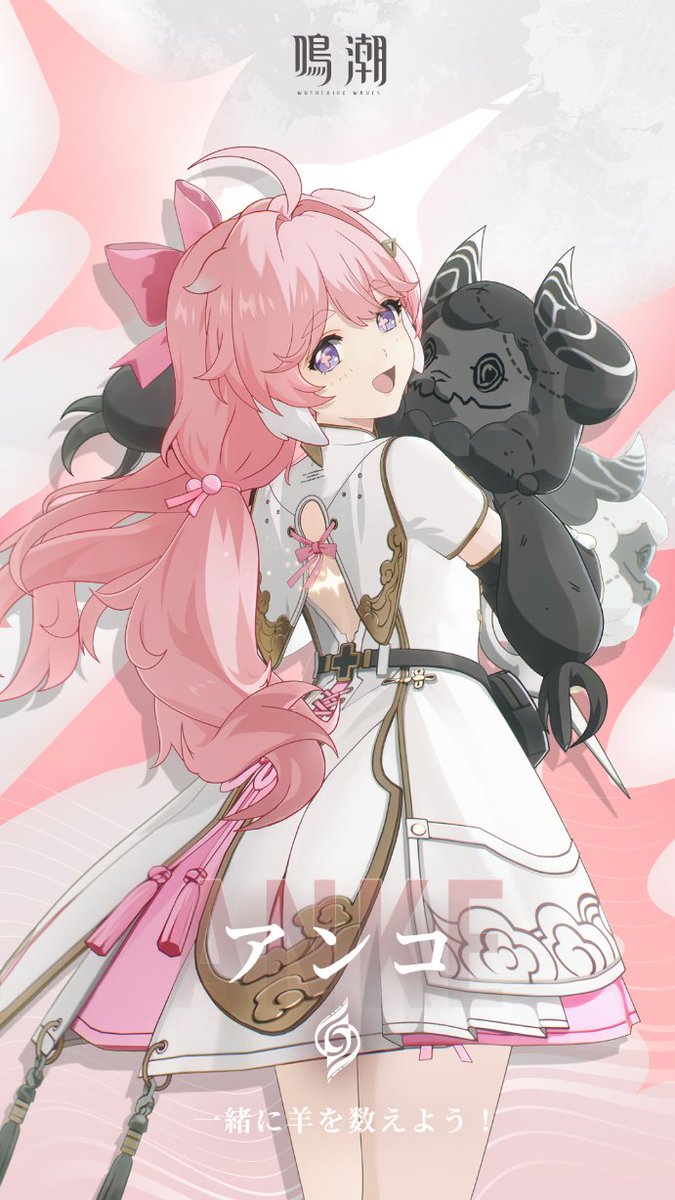
Kuro Games has officially released the HarmonyOS native version of its popular open-world action RPG, Wuthering Waves, onto the Huawei AppGallery. This launch marks a significant transition for the title, moving from compatibility-based play to a native application architecture designed specifically for Huawei’s HarmonyOS environment. The developer confirmed that the game has entered a non-deletion testing phase, allowing players to experience the optimized performance and technical integration firsthand.
The transition to a native HarmonyOS application represents a strategic push by both Kuro Games and Huawei to leverage the unique capabilities of the operating system. By moving away from conventional Android-based containerization, the native version is engineered to provide better resource management and system-level optimization for hardware running HarmonyOS. According to official announcements from the Huawei developer ecosystem, this shift is intended to improve frame rate stability and reduce power consumption during extended play sessions, particularly on devices equipped with high-end Snapdragon chipsets.
Technical Integration and Hardware Optimization
The decision to develop a native HarmonyOS version of Wuthering Waves aligns with a broader industry trend of game developers moving toward deeper operating system integration. For players, the primary benefit of a native build is the direct communication between the game engine—in this case, Unreal Engine 4—and the HarmonyOS kernel. This reduction in translation overhead is designed to alleviate common performance bottlenecks often encountered in complex, open-world environments.
Technical benchmarks for the native version focus on multi-threaded rendering and memory allocation efficiency. Users running the game on compatible devices can expect more consistent performance in high-density areas of the game world. Huawei has documented that applications built specifically for the HarmonyOS Next architecture benefit from a streamlined software stack, which is particularly relevant for the intensive graphical demands of Wuthering Waves. The integration specifically targets the hardware acceleration features found in contemporary Snapdragon-powered devices to ensure that visual fidelity does not come at the cost of device thermals.
Non-Deletion Testing and User Access
The current testing phase is categorized as a non-deletion test, meaning that all player progress, character acquisitions, and account data will be preserved once the testing period concludes and the game moves to a full, stable release. This phase is critical for gathering telemetry data on how the native code interacts with various device configurations across the Huawei ecosystem.

Players looking to access the build can find it directly through the Huawei AppGallery. The installation process is integrated with the standard update mechanism, though users are advised to ensure their device is updated to the latest version of HarmonyOS before initiating the download. Kuro Games has encouraged participants to report technical anomalies through the in-game feedback tools, as these reports are used to refine the final build optimization before wider deployment.
The Future of the Wuthering Waves Ecosystem
Since its global launch, Wuthering Waves has maintained a steady cadence of content updates, including the introduction of new resonators and story chapters. The move to a native OS version is viewed as a foundational step in maintaining the game’s longevity. By ensuring that the title remains performant on evolving mobile operating systems, the developers aim to minimize technical friction for the player base.

The development team has not yet announced a specific end date for the current testing phase, nor have they provided a timeline for the transition to the full production version. Updates regarding the rollout are typically published through official social media channels and the in-game notice board. As the ecosystem for HarmonyOS continues to expand, further refinements to the game’s performance profile are expected, specifically regarding battery optimization and touch-response latency.
For those currently playing or planning to start, the transition to the native version should be seamless for existing accounts. Players are encouraged to link their accounts to a persistent email or social login to ensure data portability across different platforms and OS versions. For ongoing updates regarding patch notes and technical support, users should monitor the official Huawei AppGallery page or the developer’s primary announcement portal.
Have you had a chance to test the native version on your device? Share your experiences with frame rates and performance in the comments below, and stay tuned to World Today Journal for further updates on the technical evolution of your favorite titles.