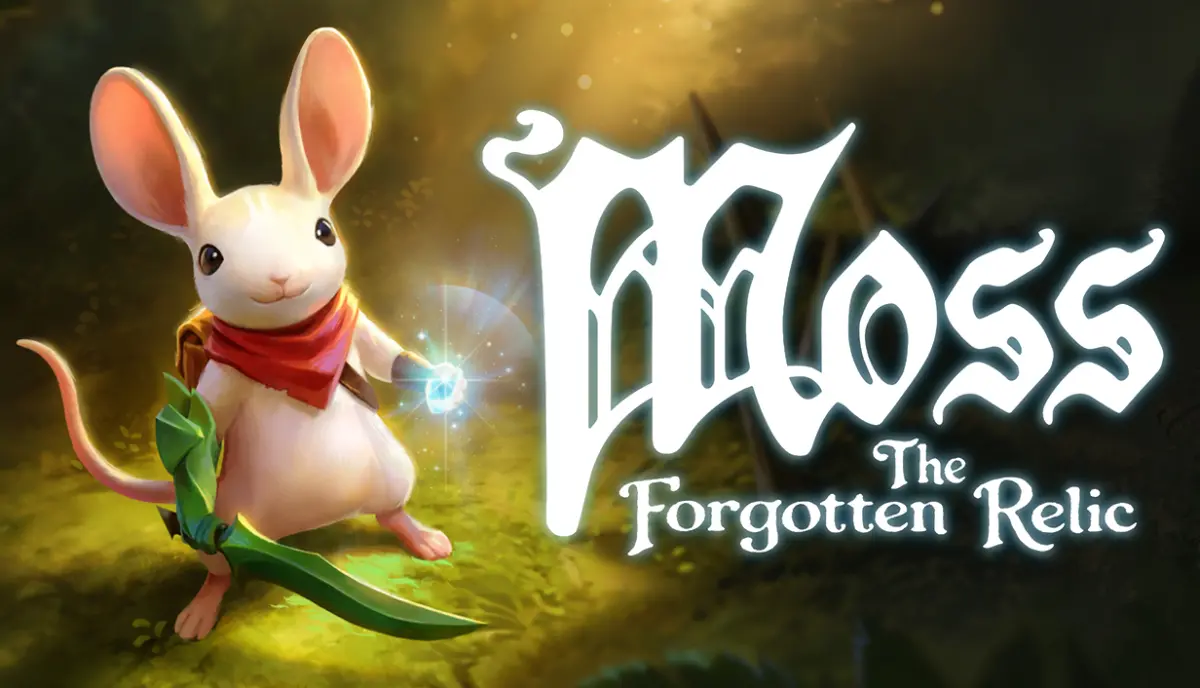
Polyarc has officially released Moss: The Forgotten Relic, a new iteration of its acclaimed fantasy-adventure series that allows players to experience the journey of the mouse protagonist, Quill, without the requirement of a virtual reality headset. This release marks a significant shift in accessibility for the franchise, bringing the immersive storytelling of the Moss series to a broader audience across traditional gaming platforms.
The title is now available on major platforms, including PC via Steam, where it is currently featured with a promotional discount. By removing the VR-exclusive barrier, the developers aim to expand the reach of the narrative, which follows Quill as she traverses a mystical world filled with puzzles, combat, and hidden history. According to official store listings, this release functions as a comprehensive package, consolidating the adventures of the mouse heroine into a single, accessible experience for players who prefer a standard display.
Expanding the Moss Universe Beyond VR
The decision to transition the Moss series away from its original VR-only roots reflects a broader trend in the gaming industry to prioritize player accessibility and platform reach. Since its initial debut, the franchise has been lauded for its diorama-style perspective and intimate character interactions. By porting the mechanics to non-VR hardware, Polyarc has reconfigured the camera and control schemes to ensure the original sense of scale and wonder remains intact for players using monitors or television screens.
For long-time fans of the series, this release serves as a bridge, allowing those who may not own VR equipment to engage with the complete saga. The gameplay remains centered on the bond between the player—who acts as a guide—and Quill, who navigates the environment to solve environmental puzzles and battle mechanical enemies. The transition preserves the core “storybook” aesthetic that defined the original titles, ensuring that the visual fidelity is maintained even without a headset.
Platform Availability and Pricing
Moss: The Forgotten Relic is currently available for purchase on Steam, with the developer offering a limited-time 10% discount to celebrate the launch. This pricing strategy is intended to incentivize both returning players and newcomers to explore the series. While the title is primarily being marketed for PC, the release follows a period of expanded support for the franchise across various hardware ecosystems, including consoles, as developers continue to focus on maintaining high player engagement levels.
The game’s technical requirements have been adjusted to accommodate a wide range of hardware configurations. Players interested in the specific system requirements and the current promotional pricing can visit the official Steam store page for the most accurate and up-to-date information regarding compatibility and regional pricing adjustments.
What This Means for the Future of the Franchise
The move to a non-VR format is viewed by industry analysts as a strategic effort to increase the longevity of the intellectual property. By lowering the barrier to entry, Polyarc can reach a significantly larger demographic, which is essential for maintaining a title’s “stickiness” or player retention in a competitive market. As of this month, the studio has focused on refining the user experience to ensure that the transition from a VR-first design to a standard control scheme feels intuitive.

For those who have already played the VR versions, the non-VR release offers a new way to appreciate the art design and environmental storytelling of the kingdom of Moss. The studio has not yet announced future content expansions, but the current release is positioned as the definitive way to play through the entirety of Quill’s existing adventures in a single, cohesive format.
Players looking for official updates regarding potential future patches or hardware compatibility lists are encouraged to monitor the developer’s official social media channels and the community hubs on Steam. We invite our readers to share their thoughts on the transition to non-VR gameplay in the comments section below.