
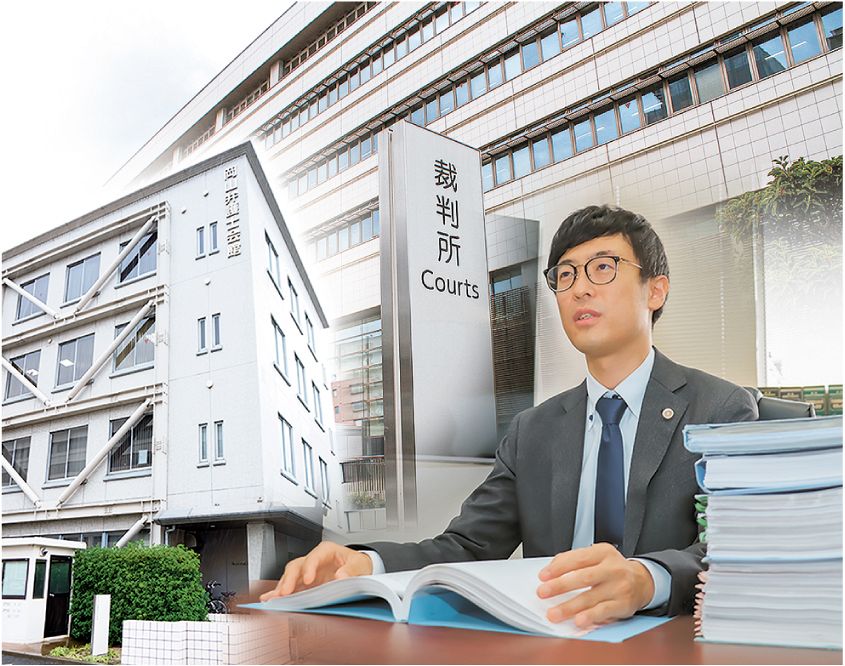
The Japanese legal aid landscape is facing a structural crisis as the nation’s “duty attorney” (Toban Bengoshi) and public defender systems grapple with a severe shortage of participating lawyers. According to data from the Japan Federation of Bar Associations (JFBA), the combination of stagnant compensation rates and the high labor intensity required to represent suspects in the early stages of detention has rendered these essential services increasingly unsustainable for many practitioners.
At the heart of the issue is the widening gap between the demands of the criminal justice system and the financial reality for independent law firms. The duty attorney system, which allows a suspect or their family to request a one-time free consultation with a lawyer immediately after arrest, relies entirely on the voluntary participation of local bar association members. However, as the legal profession in Japan becomes more specialized and overhead costs rise, the lack of adequate government-funded incentives has deterred younger lawyers from taking on these cases.
The Financial Strain on Duty Attorneys
The current remuneration structure for public defense—known in Japan as the kokusen bengo system—is often criticized for failing to cover the actual costs of a defense practice. Under the State-Appointed Defense Counsel system, the government pays a set fee that is intended to cover both time and expenses. As noted by legal experts, this fee structure has not kept pace with the complexity of modern criminal investigations, which often involve massive digital evidence troves and protracted pre-indictment detention periods.
“The compensation does not reflect the reality of the work,” a sentiment echoed in recent reports from the Japan Federation of Bar Associations. For many solo practitioners, accepting a public defense case means absorbing costs for travel, document management, and administrative support that frequently exceed the government’s flat-rate payment. This financial disincentive is a primary driver behind the declining number of lawyers willing to register for the duty attorney roster in rural and urban areas alike.
Impact on the Right to Counsel
The shortage of available counsel has direct implications for the constitutional right to a fair trial. In Japan’s criminal justice system, the role of a lawyer during the initial 72-hour detention period is critical, as it is often the only window a suspect has to understand their rights before formal charges are filed. When duty attorneys are unavailable, suspects may face interrogation without legal guidance, increasing the risk of coerced confessions and procedural irregularities.

The Ministry of Justice has acknowledged concerns regarding the efficiency of the criminal justice process, yet systemic reform remains slow. While the government has periodically adjusted the fee schedule for court-appointed counsel, the Japan Federation of Bar Associations maintains that these adjustments are insufficient to address the labor-to-income disparity. Without a fundamental revision of the compensation model, the system risks becoming a two-tier structure where only those with private financial means can secure robust legal representation.
Structural Challenges and Future Outlook
Beyond the immediate financial concerns, the aging demographic of the Japanese legal profession is exacerbating the shortage. As veteran lawyers who historically carried the burden of public defense retire, there are fewer new attorneys entering the field to replace them. Many young lawyers are opting for corporate law or specialized civil litigation, where the revenue streams are more predictable and the time commitments more manageable.
To address these systemic gaps, the legal community is calling for several policy shifts:
- A significant increase in the base hourly compensation for court-appointed defense work.
- The introduction of a specialized public defender office model, similar to those in other jurisdictions, to reduce the reliance on private practice volunteers.
- Enhanced state support for administrative tasks associated with criminal defense, such as the digital processing of evidence.
The next major checkpoint for these reforms lies in upcoming budget negotiations between the Japan Federation of Bar Associations and the Ministry of Justice, which are expected to address the allocation of funds for the judiciary’s operational costs in the next fiscal year. Until a legislative framework is established to stabilize the income of public defenders, the availability of duty attorneys will likely remain a localized, inconsistent service, leaving vulnerable suspects at a significant disadvantage.
For more information on the evolving standards for criminal defense in Japan, readers are encouraged to consult the official policy statements published by the Japan Federation of Bar Associations. We welcome professional discourse on these findings in the comments section below.