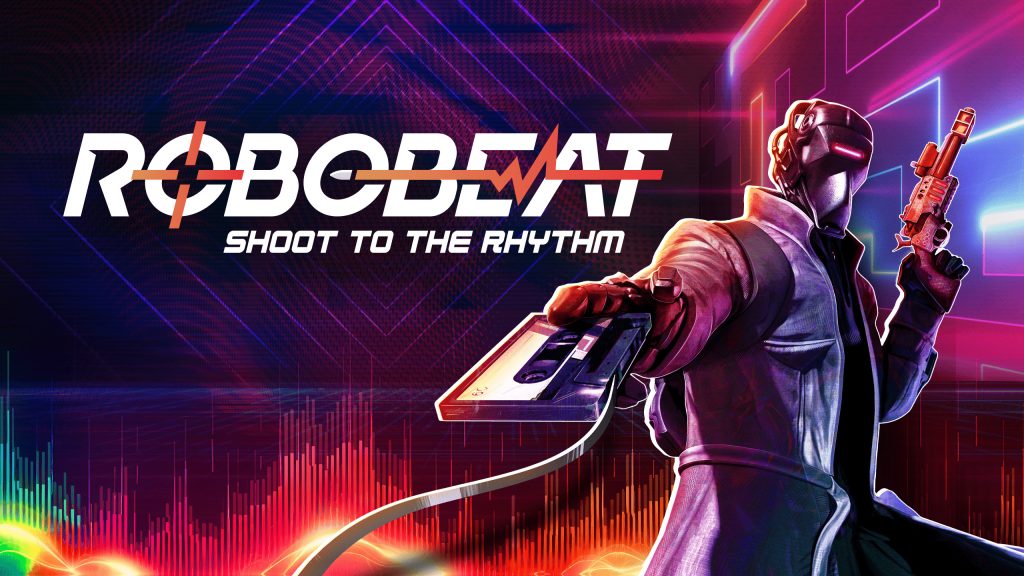
The rhythm-based first-person shooter ROBOBEAT, developed by Simon Fredholm and published by Kwalee, has recently become the subject of significant interest among PC gaming enthusiasts following reports of temporary promotional pricing. The title, which combines high-octane gunplay with rhythmic movement mechanics, challenges players to synchronize their combat actions and platforming maneuvers to the beat of an electronic soundtrack.
As of late 2024, the gaming community continues to monitor digital storefronts for such promotional windows, as developers occasionally utilize limited-time offers to expand their player base and increase visibility on platforms like Steam. According to the official Steam product page, ROBOBEAT was released as a full title in May 2024, positioning itself within the competitive “rhythm-shooter” subgenre alongside established titles like Metal: Hellsinger and BPM: BULLETS PER MINUTE.
Understanding the Mechanics of ROBOBEAT
At its core, ROBOBEAT focuses on a gameplay loop where efficiency is dictated by musical tempo. Players take on the role of Ace, a bounty hunter infiltrating the lair of a rogue AI known as Frazzer. The game’s design forces users to time their shots, wall-runs, and slides to the rhythm of the background music. Failure to stay on beat often results in reduced damage output or missed opportunities for tactical repositioning, a design choice intended to heighten the intensity of combat encounters.

The technical requirements for the game are relatively accessible for modern hardware, requiring a minimum of 8GB of RAM and an NVIDIA GeForce GTX 1060 or equivalent, as noted in the official developer specifications. This accessibility has contributed to its reception among users looking for lightweight, high-energy experiences that do not require high-end enthusiast-grade graphics cards.
The Evolution of Rhythm-FPS Games
The emergence of titles like ROBOBEAT highlights a broader trend in the independent gaming sector: the hybridization of established genres. By blending the mechanical precision of a first-person shooter with the timing-sensitive requirements of rhythm games, developers are creating experiences that reward muscle memory and auditory processing alongside traditional aiming skills.
This design philosophy mirrors the evolution seen in earlier titles that successfully integrated music into core gameplay loops. Industry analysts often point to the success of Crypt of the NecroDancer as a foundational moment for rhythm-based movement, which paved the way for the current generation of shooters to experiment with similar constraints, according to industry reporting from IGN.
How to Access and Play
For players interested in the title, the primary point of access remains the Steam storefront. While promotional offers may vary by region and time, users can add the game to their “Wishlist” to receive automated notifications regarding price drops or future bundles. Managing one’s digital library through these notifications is a standard practice for PC gamers seeking to acquire titles during seasonal sales or publisher-led promotional events.
Players should ensure their system drivers are updated, particularly for GPU hardware, to maintain consistent frame rates, which are critical for rhythm-based inputs. The developer has maintained an active presence on social media and community forums, providing updates and patches to address player feedback regarding input latency and audio synchronization, which are vital components of the genre’s playability.
Future Updates and Developer Support
Since its launch, the development team has focused on post-release support, including bug fixes and performance optimizations. The longevity of such titles often depends on the developer’s ability to sustain community interest through consistent updates or the introduction of new soundtracks and levels. As of this writing, there have been no formal announcements regarding major downloadable content (DLC) expansions, though the community continues to track official channels for announcements from Kwalee.
Those seeking the most accurate information regarding current pricing or potential free-to-play windows should consult the official Steam store page directly, as third-party reports can sometimes be outdated or misinterpret regional pricing adjustments. The game remains a notable entry for those who prioritize mechanical depth and high-tempo musical integration in their PC gaming library.
For ongoing updates regarding the game’s development cycle and potential future promotions, players are encouraged to follow the official developer accounts. Have you had a chance to test your reflexes in ROBOBEAT? Share your experiences with the rhythm mechanics in the comments below.
Related reading