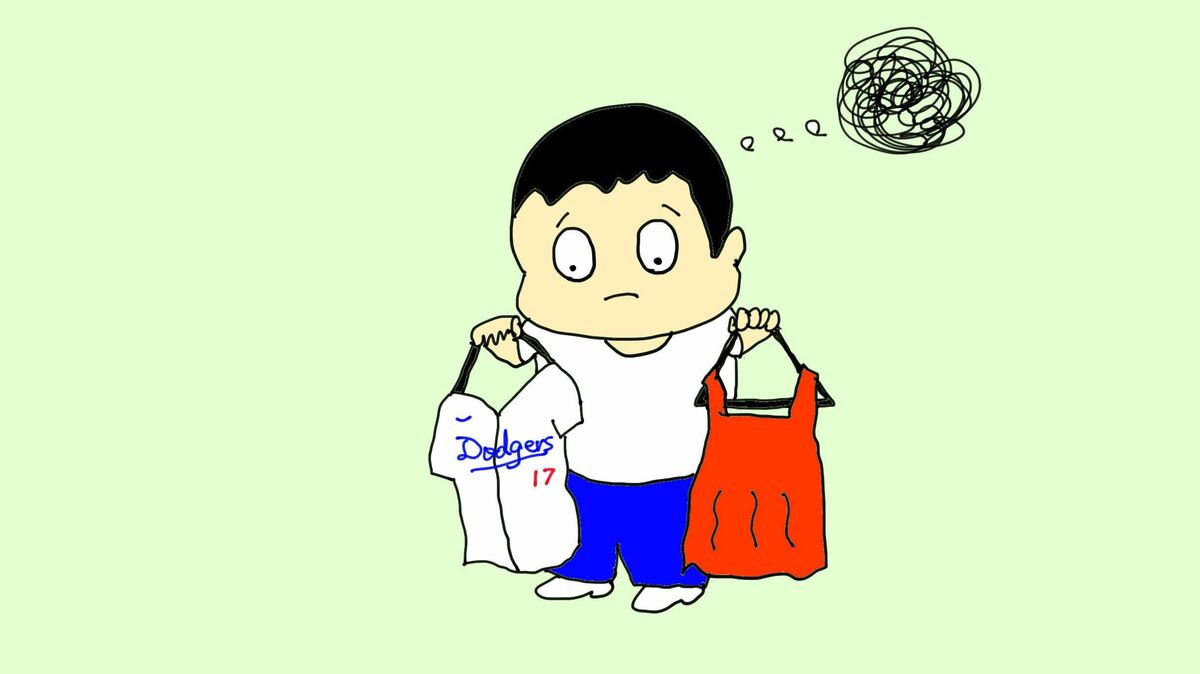
Organizations that attempt to replicate the management practices of famous companies often fail because they treat these systems as superficial “costumes” rather than integrated cultural frameworks. This phenomenon, frequently observed in corporate restructuring, occurs when leadership adopts the outward appearance of a successful model—such as service scripts or performance metrics—without aligning their firm’s internal values, employee autonomy, or decision-making structures to support those practices. Such imitations ignore the fundamental reality that an organization’s strategy must emerge from its own unique context, rather than being imposed from the outside.
The core of the issue lies in the distinction between “designing” an organization and “crafting” one. While many executives look to high-performance companies for a blueprint, they often overlook the intangible elements—the shared beliefs and historical context—that make those systems function. When a company mandates a specific management style simply because a competitor or a famous brand uses it, they risk creating a sterile environment where employees feel disconnected from the organization’s actual goals. This disconnect is what critics often describe as the “cosplay” effect: a performance of management that lacks the necessary substance to drive long-term success.
Why Mimicry Fails in Organizational Design
The failure of organizational “copycatting” is rooted in the assumption that management tools are universally applicable. Effective organizations do not follow a one-size-fits-all approach. Management is a practice that requires a balance between art, craft, and science, rather than a rigid application of standardized techniques.
When a firm attempts to adopt a model of service excellence, for example, they may implement the same employee empowerment programs or guest-recognition protocols. However, if that firm lacks the underlying culture of trust, the training infrastructure, or the commitment to employee well-being, the initiative becomes a hollow exercise. Employees recognize the inconsistency, leading to cynicism rather than the intended service improvement. The “costume” does not fit because it was tailored for a different body.
The Structural Dangers of Top-Down Imposition
A primary risk of importing management systems is the creation of a rigid, top-down structure that suppresses innovation. Many successful organizations are built on emergent strategies—plans that evolve from the bottom up based on the daily experiences of staff. When leadership mandates a “perfect” system borrowed from another industry, they often stifle this organic growth. By prioritizing the appearance of efficiency over the reality of engagement, management creates a bureaucracy that is more concerned with compliance than with customer or client needs.
This structural misalignment often manifests in the following ways:
- Loss of Agency: Employees are forced to follow scripts that do not match the specific needs of their local market or customer base.
- Misplaced Metrics: Firms measure success using data points that were meaningful in the original context but irrelevant to the new environment.
- Cultural Erasure: The unique identity of the organization is replaced by a generic, imported style that fails to inspire or retain talent.
Moving Beyond Superficial Implementation
To avoid the pitfalls of organizational mimicry, leaders must focus on the “why” behind successful practices rather than the “how.” This requires a deep audit of the company’s current culture and an understanding of the specific problems the organization is trying to solve. Instead of borrowing a complete system, successful companies often adapt specific principles, tailoring them to fit their own operational realities and employee strengths.
The goal is to move from “mimicry” to “adaptation.” This involves fostering an environment where employees are encouraged to contribute to the organization’s strategy, ensuring that any new management practices are grounded in the actual day-to-day work of the firm. Companies that involve staff in the design of new processes are significantly more likely to see sustained improvements in performance compared to those that impose top-down mandates from external sources.
What Happens Next?
Organizations currently struggling with the “cosplay” effect often face a period of stagnation or increased turnover. The next step for leadership is typically an honest assessment of whether their current management systems are actually yielding results or merely providing a veneer of professionalism. This often involves soliciting direct, anonymous feedback from frontline staff, who are the first to recognize when a management system is failing to bridge the gap between policy and practice.
As organizations prepare for the next quarter, those that pivot away from rigid imitation toward context-specific management are better positioned to navigate market shifts. Whether you are in hospitality, retail, or tech, the lesson remains the same: a system is only as good as the culture that supports it. We encourage our readers to share their own experiences with organizational change in the comments below—have you seen a “borrowed” management style succeed, or did it fall apart under the pressure of reality?