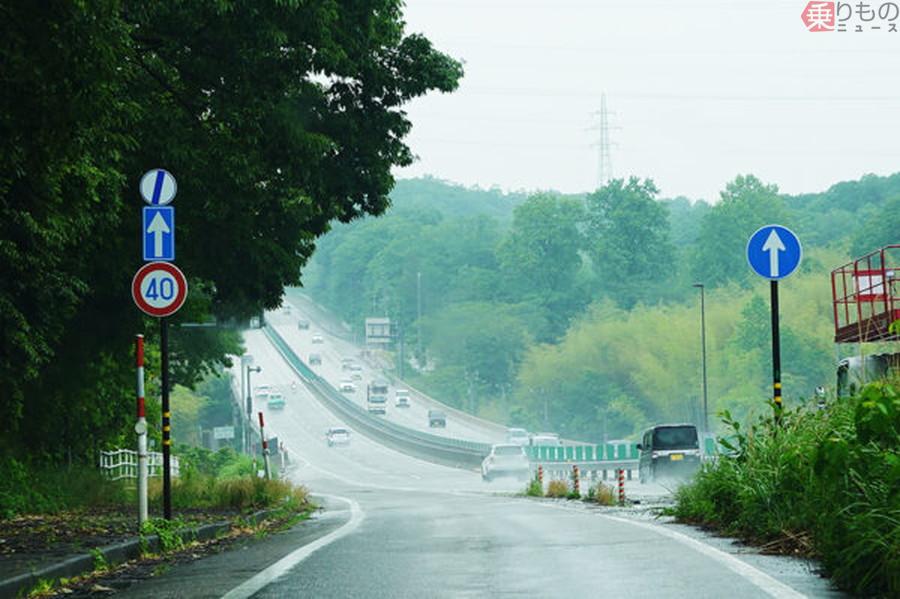
The Ministry of Land, Infrastructure, Transport and Tourism (MLIT) has initiated the full four-lane expansion of the Toyama-Nishi Bypass on National Route 8, a critical infrastructure project aimed at eliminating dangerous two-way traffic sections and improving regional logistics. By converting the existing two-lane, undivided road into a divided four-lane highway, authorities expect to resolve persistent traffic bottlenecks and enhance safety for the high volume of heavy vehicles utilizing this corridor, according to official project documentation from the Hokuriku Regional Development Bureau.
The expansion of the Toyama-Nishi Bypass is a cornerstone of the regional transport strategy in Toyama Prefecture, serving as a vital link for local commerce and industrial transit. As of recent updates, the project is moving toward the physical separation of opposing traffic lanes. This transition is intended to reduce the frequency of head-on collisions and side-swipe accidents, which are common risks on high-speed, undivided bypasses where vehicle speeds frequently mimic those found on expressways.
Addressing Safety on National Route 8
National Route 8 acts as a primary artery for the Hokuriku region, connecting major economic hubs along the Sea of Japan coast. The Toyama-Nishi Bypass segment has long been a focal point for safety upgrades due to its high traffic density. According to MLIT road traffic census data, the prevalence of heavy-duty vehicles on this route necessitates infrastructure that can handle sustained capacity without compromising the safety of smaller vehicles.
The decision to shift to a full four-lane configuration involves more than just adding pavement; it requires a structural reconfiguration of the median strips to ensure total separation of opposing traffic flows. The Hokuriku Regional Development Bureau notes that these upgrades are essential for maintaining the “highway-like” efficiency that commuters have come to expect from free bypasses, while simultaneously meeting modern safety standards for national highways.
Project Scope and Implementation Timeline
The transformation of the Toyama-Nishi Bypass is being executed in phases to minimize disruption to the significant daily traffic flow. The construction process involves widening existing bridge structures, reinforcing embankments, and installing modern traffic management systems. Engineering teams are currently prioritizing the sections with the highest accident rates to provide immediate safety relief to road users.
Funding for the project is allocated through the national government’s budget for road infrastructure maintenance and improvement, as outlined in the fiscal year infrastructure investment plans. By prioritizing the four-lane conversion, the Ministry aims to improve travel time reliability, which is a key metric for logistics firms operating within the Toyama industrial zone.
Impact on Regional Logistics and Commuters
For the thousands of daily commuters and freight operators, the expansion signifies a shift toward more predictable transit times. The removal of the “bottleneck” effect—where traffic slows significantly due to lane merges or the inability to safely overtake slower vehicles—is expected to reduce fuel consumption and emissions, contributing to broader environmental and economic goals.
Local businesses have expressed support for the project, citing the importance of reliable road networks for just-in-time delivery models. As the project nears its next series of milestones, including the opening of additional separated segments, authorities are advising drivers to remain vigilant of changing traffic patterns and temporary construction signage. Regular updates regarding specific lane closures and traffic shifts are provided through the Toyama Office of the Hokuriku Regional Development Bureau.
Looking Ahead: Future Infrastructure Milestones
The completion of the full four-lane conversion will mark a significant upgrade in the safety and capacity of the Toyama-Nishi Bypass. While the Ministry has not provided a fixed date for the final ribbon-cutting of the entire project, construction progress is monitored and reported on a quarterly basis. Stakeholders are encouraged to consult the official bureau website for the most current project status and traffic advisories.
As the regional government continues to invest in the modernization of National Route 8, the focus remains on balancing the need for high-speed connectivity with the absolute necessity of road safety. Future updates on the project’s progression will be essential for commuters and transport companies planning long-term logistics in the region. Readers are encouraged to share their experiences with the improved sections as they open to the public and to monitor official channels for upcoming construction phases.
Keep reading