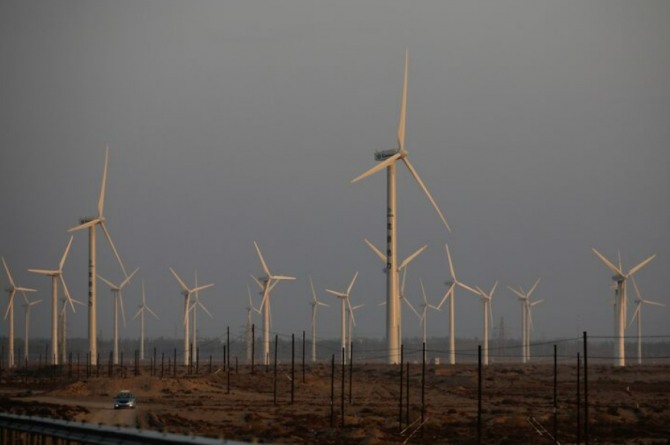
Chinese manufacturers now dominate approximately 79% of the global wind turbine market, according to data from the Global Wind Energy Council (GWEC), as companies aggressively expand their footprint into emerging markets in Africa and established, highly competitive regions like Japan. This consolidation of market share reflects a broader shift in the renewable energy sector, where Chinese firms are leveraging significant domestic scale and aggressive pricing to secure major infrastructure projects internationally.
The dominance of Chinese wind turbine technology is no longer confined to domestic installations. By securing supply contracts in regions previously dominated by European and North American manufacturers, Chinese companies are reshaping global supply chains for offshore and onshore wind energy. This expansion is particularly notable in the Japanese market, where, despite stringent technical standards and a historically conservative procurement environment, Chinese suppliers are beginning to establish a foothold.
Market Consolidation and the Shift Toward Chinese Technology
The global wind industry is undergoing a period of rapid transformation. According to the Global Wind Energy Council (GWEC) 2024 report, China’s manufacturing capacity has enabled it to maintain a dominant position, accounting for the vast majority of new wind turbine installations worldwide. This scale advantage allows Chinese manufacturers to offer more competitive pricing models than their international counterparts, who often face higher labor and logistics costs.
In Africa, Chinese state-backed firms have become primary partners for large-scale renewable energy development. These projects are frequently integrated into broader infrastructure initiatives, providing host nations with both the hardware and the financing necessary to accelerate their transition to wind power. By packaging turbine supply with long-term maintenance and technical support, these firms have effectively lowered the barriers to entry for developing nations seeking rapid electrification.
Breaking Into the Japanese Offshore Wind Sector
Perhaps the most significant indicator of this market shift is the entry of Chinese manufacturers into Japan’s offshore wind sector. The Japanese market has long been considered a “fortress” for local and established Western turbine suppliers due to complex regulatory requirements, unique seismic conditions, and a strong preference for domestic reliability standards.
Recent industry reports indicate that Chinese suppliers are adapting their turbine designs to meet Japan’s specific environmental and regulatory demands. By investing in localized testing and certification, these firms are attempting to overcome the perception that their technology is intended only for low-cost, high-volume domestic projects. This move is viewed by market analysts as a strategic effort to prove the durability and performance of Chinese turbines in advanced, high-barrier economies.
Economic and Geopolitical Implications
The rise of Chinese wind turbine dominance is not merely a commercial trend; it is a significant factor in international energy security. As countries aim to meet the net-zero targets outlined in the Paris Agreement, the reliance on a single geographic hub for wind energy technology has prompted discussions among policymakers in the European Union and the United States regarding the resilience of renewable energy supply chains.
For developing economies, the availability of affordable Chinese wind technology represents a viable path toward reducing dependence on fossil fuel imports. However, the concentration of market power also raises concerns regarding potential dependencies on foreign technology providers for critical national infrastructure. As these projects move into the operations and maintenance phase, the long-term impact on local job creation and technology transfer remains a subject of ongoing debate among energy economists.
Next Steps for Global Energy Markets
The next major checkpoint for the industry will be the upcoming release of the 2024 mid-year market performance reviews from the International Energy Agency (IEA), which are expected to detail the shift in turbine supply contracts across the Asia-Pacific region. These findings will likely influence how national regulators approach future offshore wind auctions and procurement policies.
As the sector continues to evolve, stakeholders are closely monitoring how established Western manufacturers—such as Vestas, Siemens Gamesa, and GE Vernova—adjust their strategies to counter the competitive pressure from Chinese firms. Whether through increased automation, strategic partnerships, or a focus on next-generation turbine technology, the competition for the global energy transition is expected to intensify throughout the remainder of the decade.
We invite readers to share their perspectives on the changing landscape of renewable energy infrastructure in the comments section below.
Related reading