
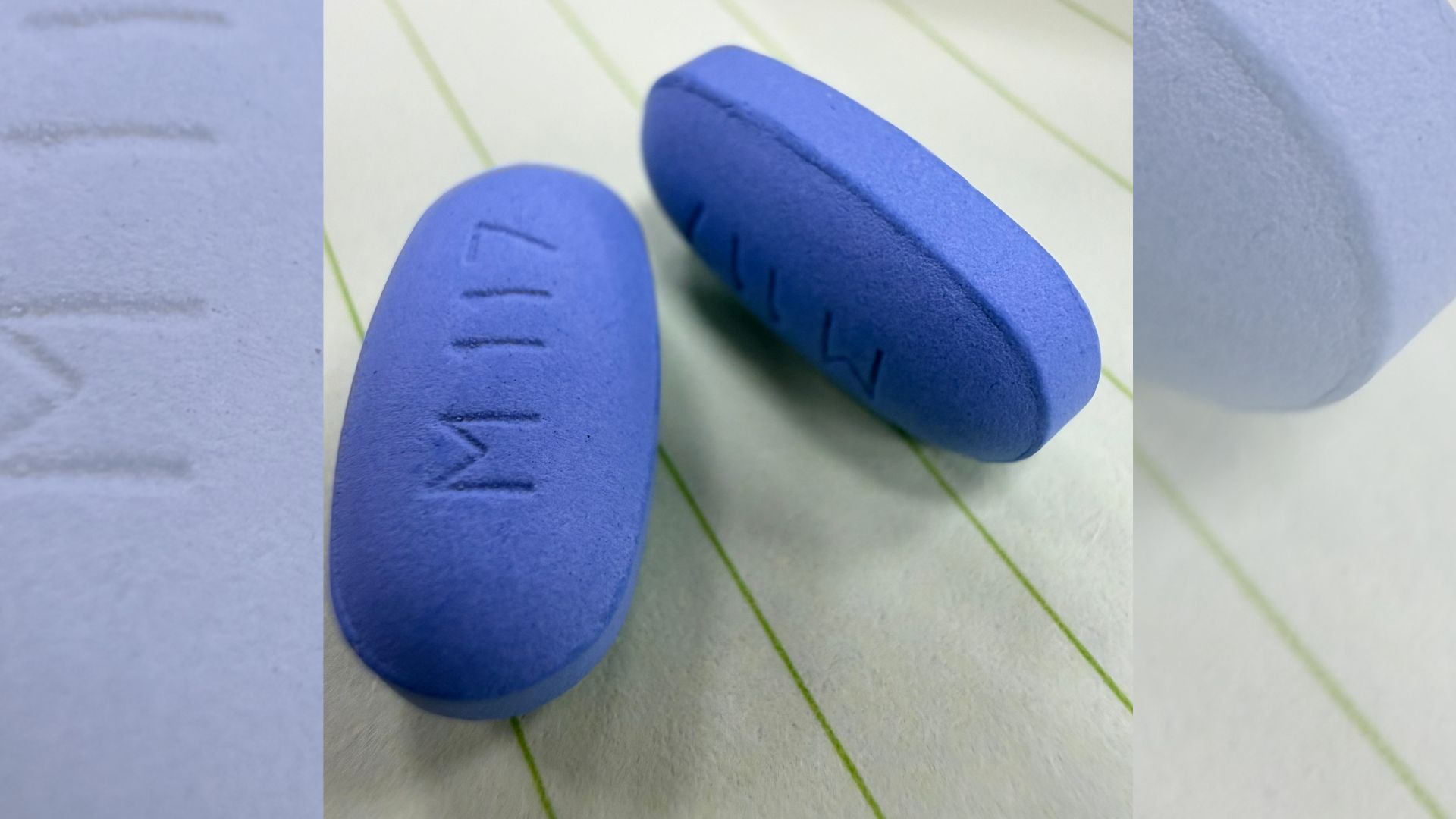
PrEP is often misunderstood as a universal shield against all sexually transmitted infections, but a recent case in Taiwan underscores a critical limitation: it only protects against HIV. A 30-year-old man who believed he was protected by taking pre-exposure prophylaxis (PrEP) was diagnosed with gonorrhea after experiencing urethral discharge, commonly referred to as “flowing pus.” His confusion highlights a widespread misconception that PrEP offers blanket protection, when in reality, We see specifically designed to prevent HIV infection and does not guard against other STIs like gonorrhea, chlamydia, or syphilis.
According to Dr. Ku Fang-yu, a urologist who treated the patient, the man assumed that because he was on PrEP, he was immune to all sexually transmitted diseases. However, PrEP—whether taken as a daily oral pill or as a bimonthly injection—only reduces the risk of HIV acquisition. It has no proven efficacy against bacterial STIs such as Neisseria gonorrhoeae, the causative agent of gonorrhea. The patient’s belief that PrEP was a “magic pill” led him to forgo other preventive measures, ultimately resulting in infection.
This case reflects a growing public health concern: as PrEP use increases globally, so does the risk of compensatory behaviors, where individuals decrease condom use under the false belief that they are fully protected. While PrEP has been instrumental in reducing HIV transmission—particularly among high-risk populations—it is not a substitute for comprehensive sexual health strategies. Experts emphasize that PrEP should be part of a broader prevention toolkit that includes regular STI screening, condom use, and open communication with partners.
Gonorrhea remains one of the most commonly reported sexually transmitted infections worldwide. Caused by the bacterium Neisseria gonorrhoeae, it can infect the genitals, rectum, and throat. Symptoms in men often include painful urination and a white, yellow, or green discharge from the penis—referred to colloquially as “flowing pus.” However, many infections are asymptomatic, especially in women and in extragenital sites, which can lead to untreated transmission and complications such as infertility or disseminated gonococcal infection.
The World Health Organization estimates that there were 82.4 million new cases of gonorrhea globally in 2020, with rising concern over antimicrobial resistance. Some strains have developed resistance to nearly all available antibiotics, making treatment increasingly difficult. This underscores the importance of prevention, accurate diagnosis, and appropriate antibiotic stewardship.
PrEP, when used correctly, is highly effective against HIV. Oral PrEP, typically tenofovir disoproxil fumarate/emtricitabine (TDF/FTC) or tenofovir alafenamide/emtricitabine (TAF/FTC), reduces the risk of HIV acquisition from sex by about 99% when taken daily. Injectable cabotegravir, administered every two months, has shown similar or slightly higher efficacy in clinical trials. However, neither form provides protection against other STIs. In fact, studies have shown that individuals on PrEP may have higher rates of gonorrhea and chlamydia, not because PrEP causes these infections, but because of increased screening and potential behavioral changes.
To address infections like gonorrhea that PrEP does not prevent, researchers are exploring alternative preventive strategies. One such approach is doxycycline post-exposure prophylaxis (doxy-PEP), where a 200 mg dose of doxycycline is taken within 72 hours after condomless sex. Studies have shown doxy-PEP can reduce the risk of syphilis by over 70% and chlamydia by around 70%, but its effectiveness against gonorrhea is more limited—estimated at about 50% in some trials—due to varying susceptibility and potential resistance concerns.
Vaccines for gonorrhea remain under development. While no licensed vaccine currently exists, preliminary data suggest that the meningococcal B vaccine (4CMenB) may offer cross-protection due to genetic similarities between Neisseria meningitidis and Neisseria gonorrhoeae. Ongoing trials are evaluating this potential, but for now, prevention relies on established methods: consistent condom use, regular testing, and prompt treatment of infections to break transmission chains.
The patient in Taiwan completed a full course of antibiotics for gonorrhea and was advised to continue PrEP for HIV prevention while incorporating additional safeguards. His case serves as a reminder that biomedical tools like PrEP are powerful but not infallible, and their success depends on accurate understanding and appropriate use. Public health messaging must continue to clarify the specific purpose of PrEP to prevent misunderstandings that could lead to unintended health consequences.
Understanding PrEP: What It Does and Does Not Protect Against
Pre-exposure prophylaxis (PrEP) is a preventive strategy for people at high risk of HIV infection. It involves taking antiretroviral medication before potential exposure to the virus to reduce the likelihood of infection. The U.S. Centers for Disease Control and Prevention (CDC) states that when taken as prescribed, PrEP reduces the risk of getting HIV from sex by about 99%. There are two FDA-approved forms: daily oral pills (Truvada® or Descovy®) and long-acting injectable cabotegravir (Apretude®), given every two months.
Despite its high efficacy against HIV, PrEP does not prevent other sexually transmitted infections. Here’s a crucial distinction often overlooked in public discourse. The medication works by blocking HIV from establishing infection in the body if exposure occurs, but it has no mechanism to inhibit bacteria like gonorrhea or chlamydia. Individuals using PrEP remain vulnerable to these infections unless they use additional protective measures.
Healthcare providers prescribing PrEP are required to conduct baseline and periodic STI screenings as part of clinical guidelines. The CDC recommends testing for syphilis, gonorrhea, and chlamydia at initiation and every three months thereafter for sexually active individuals. This routine monitoring helps detect and treat infections early, reducing transmission, and complications.
In the case of the 30-year-old man in Taiwan, his diagnosis prompted a reevaluation of his prevention strategy. He continues PrEP for HIV protection but now uses condoms consistently and undergoes quarterly STI screening. His experience has also led him to advocate for better education about the limits of biomedical prevention tools, emphasizing that no single method offers complete protection.
The Rise of Gonorrhea and Challenges in Treatment
Gonorrhea is a significant global health issue, particularly due to increasing antibiotic resistance. The World Health Organization (WHO) has warned that gonorrhea may become untreatable if current trends continue. In recent years, strains resistant to azithromycin and cephalosporins—the last-line treatment—have been reported in multiple countries. This has prompted calls for new antibiotics, alternative therapies, and stronger prevention efforts.

In the United States, the CDC estimates over 600,000 cases of gonorrhea annually, with disproportionately high rates among young people and men who have sex with men (MSM). Similar trends are observed in Europe and parts of Asia. Regular screening is especially vital in these populations, as many infections are asymptomatic and can head undetected without testing.
Treatment typically involves a single intramuscular dose of ceftriaxone, often combined with oral azithromycin or doxycycline to address potential co-infection with chlamydia. However, due to resistance concerns, dual therapy regimens are being reevaluated, and monotherapy with higher-dose ceftriaxone is now recommended in some guidelines. Patients are advised to abstain from sexual activity until treatment is complete and symptoms have resolved to prevent reinfection or transmission.
Combining Prevention Tools for Comprehensive Protection
No single method offers 100% protection against all sexually transmitted infections. Effective sexual health relies on a layered approach, combining biomedical, behavioral, and structural interventions. For individuals at risk of HIV, PrEP remains a cornerstone of prevention—but it must be paired with other strategies to address the full spectrum of STIs.
Condoms, when used correctly and consistently, provide broad protection against both HIV and other STIs, including gonorrhea, chlamydia, and syphilis. They are accessible, affordable, and do not require a prescription. Despite this, condom use has declined in some PrEP-using populations, a trend sometimes referred to as “risk compensation.” Public health campaigns aim to counter this by promoting condoms as a complementary tool, not a redundant one.
Regular STI screening is another critical component. Many infections, including gonorrhea, can be asymptomatic, especially in the throat or rectum. Without testing, these infections can persist and spread unknowingly. Guidelines recommend screening every three months for sexually active individuals with multiple partners, regardless of symptoms.
Vaccination also plays a role where available. The human papillomavirus (HPV) vaccine prevents strains that cause genital warts and cervical cancer. The hepatitis B vaccine protects against a virus that can be sexually transmitted. While no vaccine yet exists for gonorrhea or chlamydia, research continues, including exploration of the meningococcal B vaccine for cross-protection.
the goal is informed, empowered decision-making. Individuals should have access to accurate information about what each prevention tool does and does not do, enabling them to choose strategies that align with their risk profile and values. As demonstrated by the case in Taiwan, misunderstanding the limits of PrEP can lead to preventable infections—but with proper education, such outcomes can be avoided.
What In other words for Public Health Moving Forward
The experience of the 30-year-old man in Taiwan is not isolated. Similar cases have been reported in other countries where PrEP use is expanding. These instances highlight the need for clear, ongoing communication from healthcare providers about the scope and limitations of preventive medications. PrEP is a revolutionary tool in the fight against HIV, but it is not a standalone solution for sexual health.
Moving forward, public health programs should integrate STI education into PrEP initiation and follow-up visits. This includes discussing condom use, screening schedules, and symptoms to watch for. Digital health tools, such as reminder apps for medication and testing, can also support adherence and engagement.
Research into multipurpose prevention technologies (MPTs)—products designed to prevent multiple STIs and/or unintended pregnancy—is ongoing. These include intravaginal rings, gels, and injectables that combine antiretrovirals with antibacterial or contraceptive agents. While still in development, MPTs represent a promising avenue for more comprehensive protection.
For now, the message remains clear: PrEP is highly effective against HIV but does not stop gonorrhea or other bacterial STIs. Believing otherwise can lead to avoidable illness, treatment burden, and potential complications. By combining PrEP with condoms, regular testing, and open dialogue, individuals can maximize their protection and maintain long-term sexual health.
As new data emerge and prevention strategies evolve, staying informed through credible sources such as the World Health Organization, the U.S. Centers for Disease Control and Prevention, and local health authorities is essential. Sexual health is a dynamic field, and ongoing learning benefits both individuals and communities.
If you found this information helpful, consider sharing it with others who may benefit. Comments and questions are welcome below to foster continued discussion and awareness.