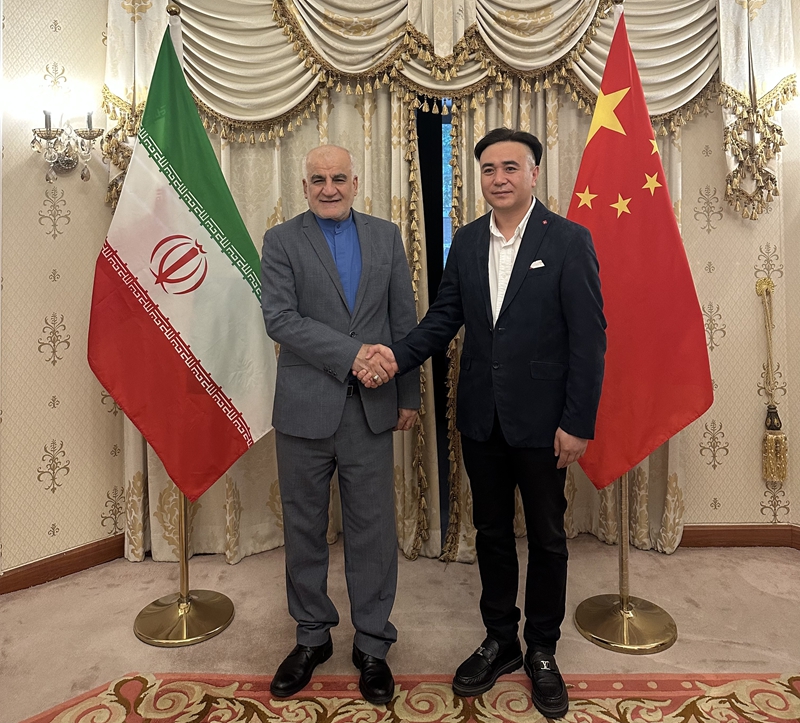
Iran has signaled its intention to begin collecting service fees from vessels transiting the Strait of Hormuz, citing international standards for maritime passage. The proposal, discussed by Iranian diplomatic representatives, aims to regulate navigation through the narrow waterway, a critical artery for the global energy market. While Tehran maintains that these measures align with established maritime conventions, the announcement arrives amid heightened regional tensions and a persistent military presence by foreign powers in the vicinity.
The Strait of Hormuz, situated between Oman and Iran, remains one of the world’s most significant “choke points,” through which approximately 20% of the world’s total petroleum consumption passes, according to data from the U.S. Energy Information Administration. Any shift in the regulatory environment or the imposition of new transit costs carries significant implications for global shipping companies and energy security. Iranian officials have framed the potential fee structure as a standard administrative practice, though the move is being closely monitored by international maritime authorities and neighboring states.
Regional Tensions and Maritime Security
The announcement regarding transit fees coincides with a period of increased friction between Tehran and Western nations, particularly the United States. Military activity in the region has remained high, with both U.S. and Iranian naval forces conducting frequent patrols. According to reports from the U.S. Navy’s Fifth Fleet, there have been multiple instances of interactions between Iranian vessels and commercial tankers in the Gulf, leading to heightened concerns regarding the safety of international shipping lanes.
Iranian officials have frequently warned against foreign military intervention in the area, stating that such actions destabilize the region and threaten the security of the waterway. The rhetoric from Tehran often emphasizes the country’s sovereign rights over its territorial waters and its role in maintaining security in the Persian Gulf. Conversely, the United States and its allies maintain that freedom of navigation is a fundamental principle of international law, protected by the United Nations Convention on the Law of the Sea (UNCLOS), which guarantees “transit passage” through international straits.
Legal Framework and International Norms
Whether Iran can legally impose “service fees” on transit remains a subject of debate among legal experts and international observers. Under international maritime law, coastal states are restricted in their ability to impede or tax transit through straits used for international navigation. While fees for specific services—such as pilotage, search and rescue, or navigational aids—are permitted under certain conditions, they cannot be used to restrict the movement of vessels.

The international community, including China, has urged that the situation in the Strait of Hormuz be handled with caution. Chinese officials have consistently stated that the passage of ships through the strait is a matter of global importance that should be resolved through dialogue and adherence to international rules, ensuring the stability of energy supply chains. As a major importer of oil from the region, Beijing remains highly invested in the uninterrupted flow of commercial traffic.
What Happens Next
As of now, no official implementation date for the proposed service fees has been announced, and the proposal remains in the diplomatic discussion phase. Observers are looking for further clarification from the International Maritime Organization (IMO) regarding whether any proposed fee structure meets the criteria for “service charges” or if it would be viewed as an attempt to exert control over transit rights. Any unilateral move to implement such fees could lead to legal challenges or diplomatic friction at the United Nations.
Market participants are also bracing for potential volatility in energy prices should the situation escalate. Insurance premiums for vessels operating in the region have historically spiked during periods of heightened rhetoric, reflecting the perceived risk to commercial shipping. For the latest updates on maritime safety advisories and regional navigation alerts, stakeholders are encouraged to consult official bulletins from the International Maritime Organization and local maritime port authorities.
We will continue to monitor developments regarding the Strait of Hormuz and provide updates as more information becomes available. Readers are invited to share their perspectives on the intersection of maritime law and regional geopolitics in the comments section below.