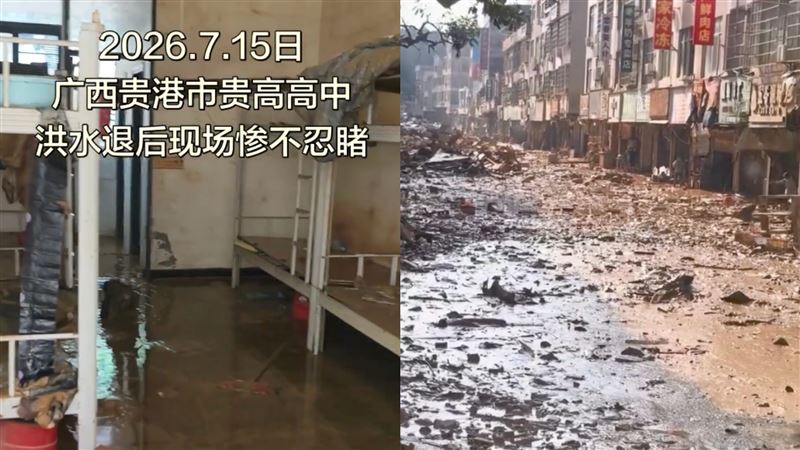
Chinese authorities in the Guangxi Zhuang Autonomous Region have formally addressed reports circulating on social media regarding the alleged discovery of thousands of human remains in floodwaters following heavy rainfall. Local officials characterized these claims as misinformation, identifying the carcasses recovered from the affected areas as approximately 5,000 livestock, primarily pigs, rather than human victims.
The confusion arose in the wake of severe flooding that impacted parts of southern China, leading to significant infrastructure damage and public concern regarding sanitation and disaster management. While reports of extreme weather impacts have been widespread, the specific claims regarding mass human casualties in the region were refuted by local government spokespeople who emphasized that the visual evidence circulating online depicted animal, not human, mortality.
Official Response and Sanitation Efforts
The Guangxi regional government issued statements clarifying that the “thousands of corpses” reported by some online commentators were in fact livestock swept away by floodwaters. According to local agricultural and emergency management departments, the high death toll among animals was a direct consequence of the inundation of rural farming facilities. Authorities have since mobilized cleanup crews to dispose of the carcasses to prevent the spread of disease, a standard procedure in large-scale agricultural disaster recovery.
Public health experts note that the decomposition of livestock in flood-prone areas creates a significant risk of waterborne pathogens. Local health authorities have advised residents to avoid contact with floodwater and to ensure that drinking water supplies are treated, as environmental monitoring continues in the aftermath of the deluge. The process of carcass removal is being conducted under strict biosafety protocols to mitigate secondary health risks to the local population.
Infrastructure Concerns and Reservoir Management
Beyond the sanitation issues, the floods have sparked intense public discussion regarding the integrity of water management infrastructure in Guangxi. Reports have circulated regarding the status of local reservoirs, with some accounts suggesting that structural failures or mechanical issues at spillway gates exacerbated the flooding in downstream communities. While official channels have maintained that dam safety remains a priority, the dialogue surrounding “human-induced” factors has been sensitive.
In various instances, local media reports regarding the operational status of specific reservoirs have been subject to content moderation. This has led to a divergence between official accounts, which emphasize the unprecedented scale of the rainfall, and anecdotal reports from local observers who point to potential maintenance or design shortcomings. The tension between managing public alarm and providing transparent data regarding infrastructure remains a central challenge for local disaster response teams.
Disaster Impact on Local Communities
The recent weather events have caused extensive disruption to local livelihoods, particularly in agricultural sectors. For many families in rural Guangxi, the loss of livestock represents a significant economic blow, compounded by damage to housing and public utilities. Volunteers and civil defense units have been deployed to assist in the restoration of essential services, including electricity and road access, which were severed by landslides and rising waters.
The scale of the recovery operation is significant, requiring coordination between provincial authorities and local municipalities. As the waters recede, the focus has shifted toward damage assessment and the provision of financial assistance to affected farmers. While the misinformation regarding human casualties has been addressed, the underlying anxiety regarding future flood resilience continues to influence public discourse in the region.
Next Steps in Recovery
The regional government of Guangxi is expected to release further updates regarding the status of reconstruction projects and environmental health assessments as they become available. Residents are encouraged to monitor official channels for guidance on water safety and the distribution of emergency supplies. As of the latest reports, the focus remains on long-term sanitation monitoring and the gradual resumption of normal agricultural activities in the impacted districts. We will continue to monitor official disaster management briefings and provide updates as more verified information regarding the recovery efforts is released.
Have you been affected by the recent flooding in Guangxi, or do you have information regarding local relief efforts? Please share your perspective or verified updates in the comments section below.
Related reading