
In the quiet hills of Gunma Prefecture, Japan, a specialized event recently brought the historical legacy of native dog breeds into sharp focus. The Nihon Ken Hozonkai (Japanese Dog Preservation Society) conducted a study session focused on evaluating the hunting instincts of Japanese dog breeds, an event that underscores the deep-seated cultural and historical connection between these animals and Japan’s rugged landscape. Held in the parking area of the Gunma Safari Park, the gathering provided a controlled environment for observing how these dogs respond to wildlife stimuli, specifically the presence of an Asiatic black bear.
As an entertainment and culture journalist who has spent years covering the intersection of tradition and modern society, I find these heritage-focused events fascinating. They offer a rare glimpse into the ancestral roles of breeds like the Shiba Inu, Kishu, and Shikoku, which were historically bred for their agility, endurance, and, crucially, their hunting prowess in Japan’s mountainous terrain. The Nihon Ken Hozonkai remains the primary authority dedicated to preserving the purity and traditional characteristics of these six recognized Japanese breeds.
Understanding the Historical Role of Japanese Hunting Dogs
To appreciate why such a study session occurs, one must look at the historical context of Japan’s indigenous dogs. For centuries, these breeds served as essential companions for the matagi, traditional hunters who navigated the dense forests of the Tohoku region, and beyond. Unlike many Western breeds developed for speed or retrieval, Japanese dogs were often tasked with tracking and holding large game, including wild boar and the Asiatic black bear, a species protected under various conservation regulations within Japan’s Ministry of the Environment wildlife management frameworks.
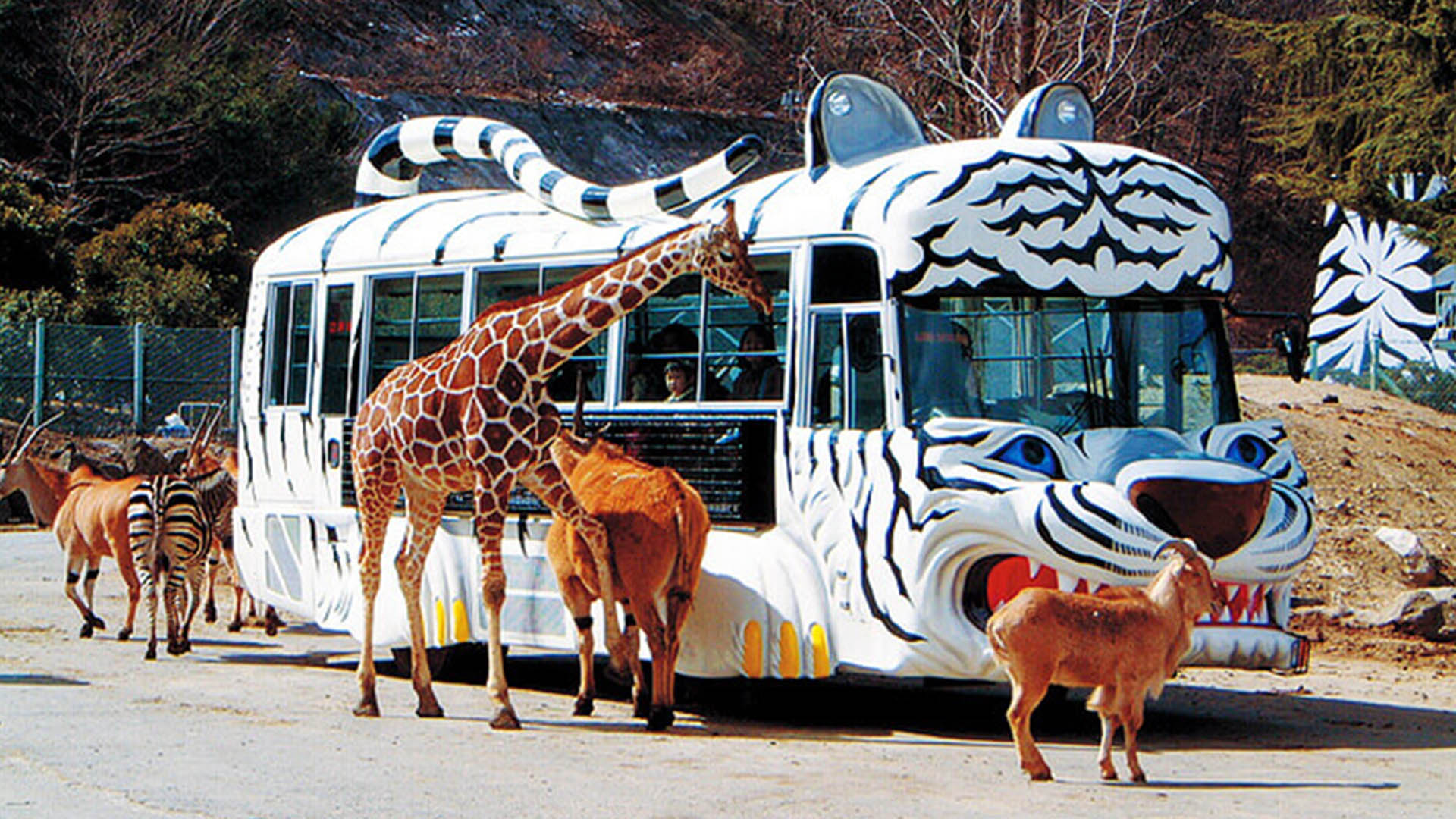
The event in Tomioka, Gunma, was not a hunting excursion in the traditional sense, but an evaluative study. By utilizing a controlled environment—such as the facilities at the Gunma Safari Park—the society aims to observe the innate behavioral responses of these dogs. This is vital for the preservation of the “Nihon Ken” spirit, often described as a combination of kan-i (boldness/spirit), ryosei (good nature), and soboku (artlessness). These traits are not merely aesthetic. they are functional, rooted in the survival requirements of the dogs’ ancestors.
The Ethics of Preservation and Wildlife Interaction
When discussing the interaction between domestic animals and apex predators like the Asiatic black bear, the conversation naturally shifts to safety and ethical standards. The Nihon Ken Hozonkai emphasizes that these evaluations are conducted under strict supervision to ensure the welfare of both the dogs and the animals involved. In Japan, wildlife management is a complex issue, particularly as human-bear encounters have become more frequent in rural residential areas, leading to increased public concern regarding bear management and human safety protocols.
For the preservationists involved, the goal is to document whether the modern representatives of these ancient breeds still possess the instinctive “courage” required to face a bear without succumbing to blind aggression or paralyzing fear. It is a delicate balance of maintaining breed standards while navigating modern animal welfare expectations. The society’s methodology involves observing how the dogs maintain distance, their vocalizations, and their overall composure when confronted with the scent or sight of a bear held securely within a protected enclosure.
Key Takeaways on Japanese Breed Evaluation
- Preservation of Instinct: The study focuses on maintaining the behavioral traits that historically defined the Japanese hunting dog.
- Controlled Environment: Events are held in secure locations, such as the Gunma Safari Park, to minimize risks and ensure safety protocols are strictly followed.
- Cultural Heritage: These breeds are considered a national treasure in Japan, and their preservation is treated with the same seriousness as other intangible cultural assets.
- Safety First: All interactions are designed to evaluate temperament and instinct rather than to encourage combat, adhering to animal welfare guidelines.
The Future of the Nihon Ken
As we look toward the future, the role of the Nihon Ken Hozonkai remains vital. They face the dual challenge of protecting the genetic integrity of these breeds while adapting to a society that no longer relies on them for sustenance hunting. Events like the one in Gunma serve as a living record. They ensure that the “hunting ability”—a core component of the breed’s identity—is not lost to time or domestic complacency.
While some critics might question the necessity of these evaluations in the 21st century, proponents argue that without such testing, the unique personality traits that make these dogs so distinct could eventually fade. By understanding the dogs’ reactions to environmental stressors, breeders can make informed decisions about which individuals best represent the resilience of their ancestors. This is not just about hunting; it is about keeping the essence of the Japanese dog alive for future generations.
For those interested in learning more about the breed standards or upcoming research sessions, the official Nihon Ken Hozonkai website remains the best source for authenticated information and membership inquiries. The society continues to hold regional meetings and exhibitions throughout the year, offering opportunities for enthusiasts to engage with the history and future of these remarkable animals.
What are your thoughts on the preservation of traditional hunting instincts in modern dog breeds? Is it an essential link to our past, or an outdated practice? I invite you to share your perspectives in the comments section below. Let’s keep the conversation respectful and informed as we explore the intersection of culture, history, and animal welfare.
Worth a look