
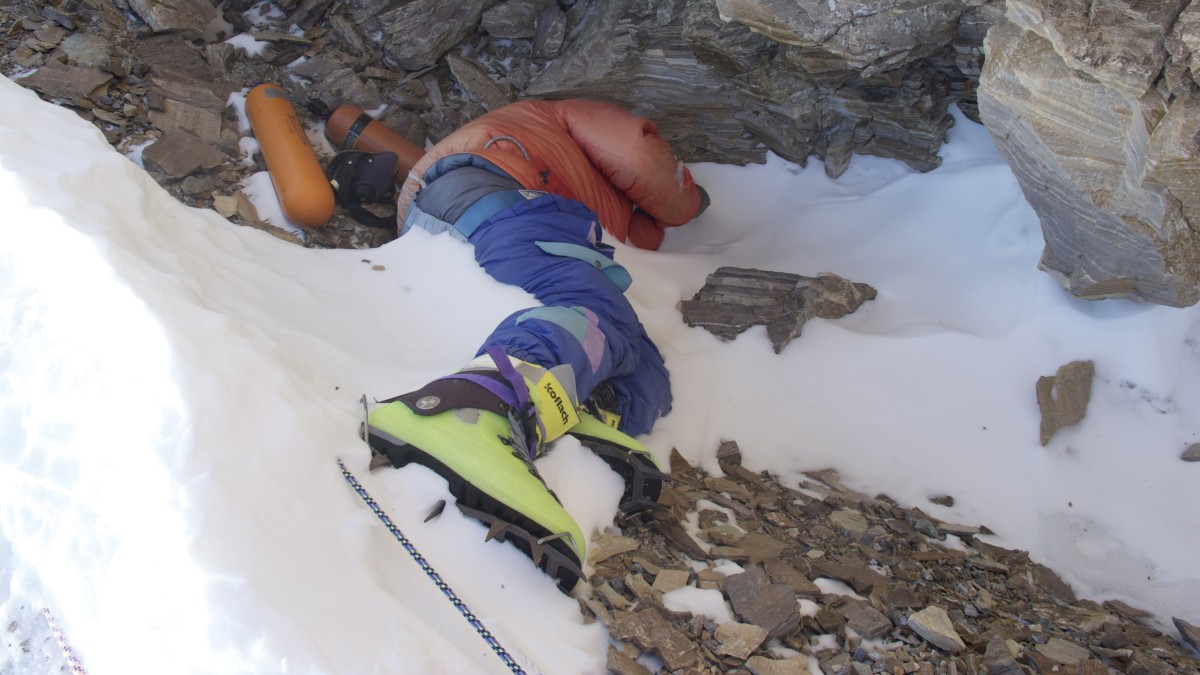
The remains of a climber long known to mountaineers as “Green Boots,” who perished on Mount Everest approximately three decades ago, have been identified by authorities. Following extensive forensic efforts, officials in India are currently working toward the repatriation of the individual’s remains, with a goal of returning the climber to his family within this calendar year. The identification marks a significant development in the history of Everest’s “Death Zone,” a high-altitude region where the recovery of remains is notoriously difficult due to extreme environmental conditions.
For over thirty years, the body—distinctive for the bright green mountaineering boots worn by the victim—served as a grim, unofficial waypoint for climbers ascending the Northeast Ridge route. The identity of the climber has been widely attributed to Tsewang Paljor, an Indian constable who disappeared during the infamous 1996 Mount Everest disaster. While the “Green Boots” moniker became a somber fixture of mountaineering lore, the formal verification process has been a complex, multi-year undertaking involving international cooperation and forensic analysis.
The History and Identification of Green Boots
The 1996 Mount Everest season remains one of the deadliest in the mountain’s history, claiming the lives of eight people during a single storm on May 10 and 11. Tsewang Paljor, a member of the Indo-Tibetan Border Police (ITBP) expedition, was part of a team attempting to reach the summit. According to historical records maintained by the Himalayan Database, which tracks expeditions and casualties on the peak, Paljor and two colleagues were separated from their team during a sudden blizzard. The trio never returned to the high camp.
For decades, the body in the green boots lay in a limestone cave at an altitude of approximately 8,500 meters. The lack of oxygen, freezing temperatures, and high winds preserved the remains in a way that made them a permanent, if haunting, fixture for those passing by. The identification process has been hampered by the logistical impossibility of traditional recovery missions. The “Death Zone,” situated above 8,000 meters, poses lethal risks to anyone attempting to retrieve bodies, as the human body begins to deteriorate rapidly and physical exertion is severely limited.
Logistics of Repatriation and Recovery
The Indian government has signaled its intent to facilitate the return of the remains, acknowledging the emotional closure this provides for the family. However, the recovery of remains from such extreme altitudes is rarely a simple operation. It requires specialized high-altitude rescue teams, significant funding, and favorable weather windows that may only last for a few days each year. According to reports from the Nepal Mountaineering Association, recovery operations at this altitude often require the use of long-line helicopter rescues or extensive human labor from Sherpa guides, both of which carry immense financial and safety costs.
The process of moving remains from the Northeast Ridge—which lies on the Tibetan side of the mountain—involves coordination with Chinese authorities, who oversee access to that side of the peak. This adds a layer of geopolitical complexity to an already difficult humanitarian task. As of early 2024, officials have indicated that they are navigating these bureaucratic and logistical hurdles to ensure the repatriation occurs before the end of the year.
The Ethical Debate of Everest Recoveries
The case of “Green Boots” has long fueled discussions regarding the ethics of leaving bodies on the mountain. For many years, the body was used as a marker for climbers to gauge their distance from the summit. This practice eventually drew criticism from the global mountaineering community, leading to efforts by various expeditions to cover or move the remains out of the direct sight of passing climbers. In recent years, some reports suggested the body had been moved or buried by snow, though it remained a potent symbol of the mountain’s dangers.


The successful identification and ongoing recovery efforts highlight the evolving standards for high-altitude mountaineering. As commercial expeditions increase in frequency, the Nepal Department of Tourism and international regulatory bodies have faced increased pressure to implement stricter waste and body recovery mandates. The return of the climber to India is viewed by many as a necessary step in restoring dignity to those who lost their lives in the pursuit of the world’s highest peak.
The next official update regarding the timeline for the repatriation is expected to come from the Indian Ministry of External Affairs as they finalize coordination with regional authorities. Comments on the recovery process are encouraged as the international community monitors this sensitive humanitarian operation.