
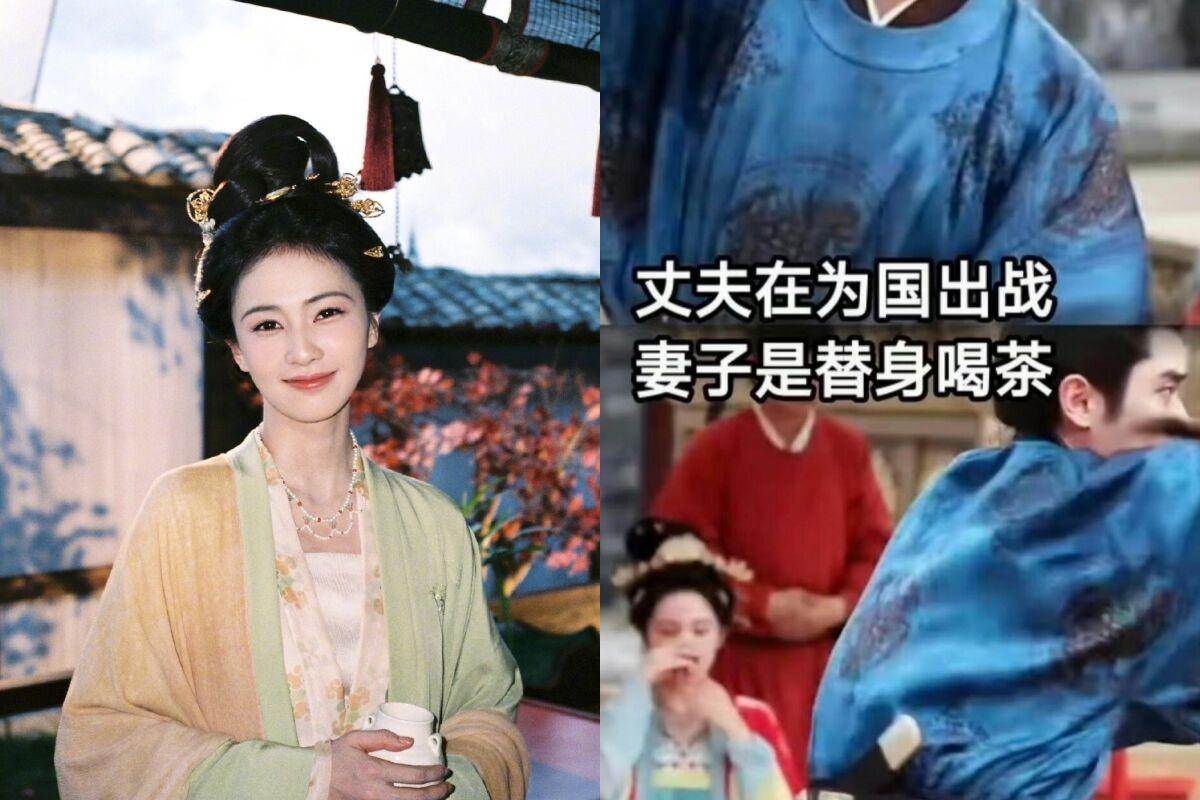
Chinese actress Bai Lu has faced renewed public scrutiny following the conclusion of her latest television drama, with social media users questioning the use of a body double for routine scenes, including a sequence involving tea consumption. The production team subsequently released behind-the-scenes footage to clarify the filming process, addressing widespread speculation regarding the extent of the actress’s involvement in specific scenes.
As an editor who has spent over 13 years analyzing the intersection of performance and production in international media, I have observed that these types of controversies often arise from the heightened expectations placed on prominent stars in the high-stakes world of C-drama production. The debate surrounding Bai Lu’s recent project reflects a broader discourse within the industry regarding transparency, the professional standards of stunt work, and the influence of celebrity status on production scheduling.
The Origins of the Controversy
The discussion began circulating on social media platforms following the broadcast of the series, as viewers scrutinized various clips for signs of stand-ins. The primary point of contention focused on scenes where the lead character was shown performing mundane tasks, such as pouring or drinking tea, leading some netizens to suggest that a body double was utilized for shots that did not require specialized skills or physical exertion. This prompted a wave of criticism from segments of the online audience, who argued that such practices—if confirmed—would indicate a lack of professional commitment.
In response to these allegations, the production team released official behind-the-scenes material. This footage was intended to provide a transparent look at the filming environment and to demonstrate the logistical realities of a professional set, where multiple camera angles and lighting setups often require the use of stand-ins for technical blocking. By showcasing the actual workflow, the production sought to mitigate the narrative that the lead actress was avoiding basic responsibilities on set.
Production Standards and Public Perception
The scrutiny of Bai Lu’s performance methods comes on the heels of other public discussions regarding her professional conduct. Earlier in the show’s run, the actress faced criticism over allegations of “adding scenes” in collaboration with scriptwriters, a claim that highlights the intense pressure actors face when their creative input is perceived as interference. These incidents, combined with the recent debate over body doubles, demonstrate how quickly fan-led analysis can escalate into significant public relations challenges for high-profile performers.
In the context of modern Chinese television, the use of body doubles is a standard industry practice, primarily utilized to manage the grueling production schedules that often see actors working 14 to 16 hours a day. While stunt doubles are widely accepted for action sequences, the use of stand-ins for non-strenuous scenes often triggers debates about the definition of “acting” versus “presence.” For the audience, the line between technical necessity and perceived laziness remains a point of contention that frequently influences the reception of a series.
Industry Context and Recent Trends
The reception of the recent drama, which has seen significant engagement on social media, underscores the “extreme push-and-pull” dynamic that characterizes modern romantic dramas. Despite the controversies, the series has maintained a strong presence in discussions regarding top-rated content. The show’s ability to generate such intense debate—both regarding its narrative choices and the off-screen conduct of its lead—speaks to the significant influence Bai Lu currently holds in the industry.
For viewers, the focus on these controversies often overshadows the collaborative nature of television production. While fans continue to analyze every frame for potential “slip-ups” or the appearance of stand-ins, the official releases from production houses serve as a reminder that the final product is the result of hundreds of professionals working under strict deadlines. As the discourse continues, it remains clear that the public’s demand for authenticity in performance will continue to shape how production teams manage their PR strategies moving forward.
The current situation serves as a case study for how quickly digital narratives can form around celebrity projects. As of now, there have been no further official statements from the actress or her management team regarding the specific claims about the tea-drinking scene. We will continue to monitor official channels for any further clarifications or updates from the production studio. In the meantime, we invite our readers to share their thoughts on the balance between production efficiency and the demand for actor presence in the comments section below.