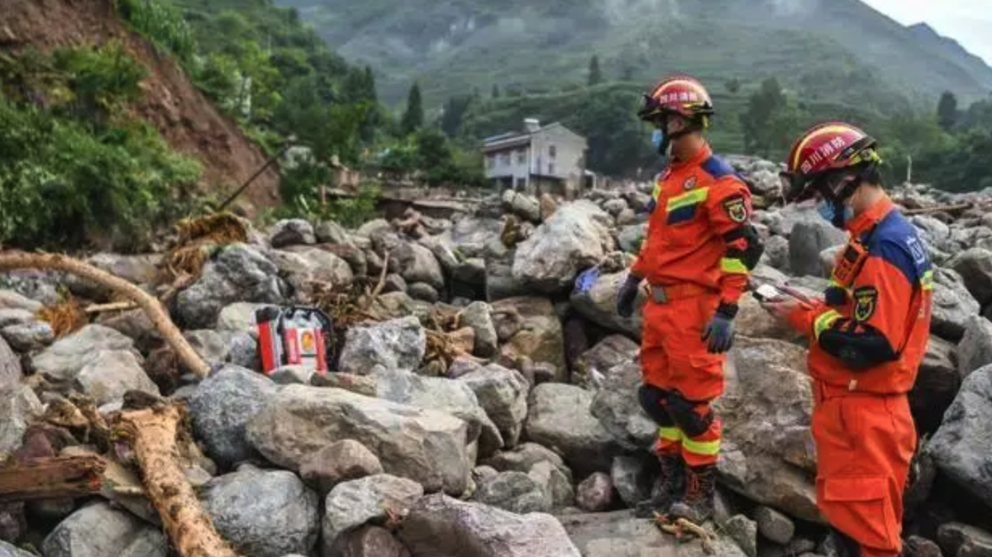
A significant landslide in Sarangani province, Philippines, resulted in 10 confirmed fatalities, according to reports from local disaster response authorities. The tragedy occurred in the municipality of Maslupa, where heavy rainfall triggered the collapse of earth and debris, burying residential structures and impacting local infrastructure. Search and rescue operations were launched immediately following the incident to locate missing residents in the affected area.
The incident in Sarangani highlights the ongoing vulnerability of mountainous regions in the Philippines to geological hazards during periods of intense precipitation. According to the National Disaster Risk Reduction and Management Council (NDRRMC), the Philippines remains one of the countries most susceptible to landslides due to its complex topography, frequent typhoons, and seasonal monsoon patterns. The 10 deaths reported in this specific event underscore the life-safety risks posed to communities situated on or near unstable slopes during extreme weather events.
Emergency Response and Site Conditions
Local government units, in coordination with the Philippine National Police and military personnel, mobilized to the site shortly after the landslide was reported. Rescuers faced challenging conditions, including unstable ground and the threat of secondary landslides, which frequently complicate recovery efforts in the region. According to updates provided by the Philippine Information Agency, the primary focus of the operation involved clearing debris to reach individuals who were trapped under the soil and rock.
Disaster management officials have emphasized that the structural integrity of the affected hillside was compromised by prolonged rainfall, which saturates the soil and significantly increases the likelihood of slope failure. In similar events across the Mindanao region, authorities often issue preemptive evacuation orders for residents living in “high-risk” zones as defined by the Mines and Geosciences Bureau (MGB), which maps landslide-prone areas throughout the archipelago. The MGB maintains hazard maps that categorize terrain based on its susceptibility to mass movement, providing critical data for local planners to mitigate future casualties.
Geological Hazards in the Philippines
The Philippines experiences an average of 20 tropical cyclones annually, many of which bring heavy rains that trigger landslides and flash floods. The geographical location of Sarangani, situated in the southern part of the country, makes it particularly susceptible to the effects of the Intertropical Convergence Zone (ITCZ) and tropical depressions that develop in the Pacific. According to data from the Philippine Atmospheric, Geophysical and Astronomical Services Administration (PAGASA), localized weather disturbances can cause sudden, high-intensity rainfall that exceeds the soil’s drainage capacity, leading to the rapid destabilization of mountain slopes.
Beyond natural weather patterns, land-use practices—including deforestation and unauthorized settlement construction—are often cited by environmental experts as exacerbating the impact of these landslides. The interaction between human activity and natural geological features remains a central focus for government agencies tasked with disaster risk reduction. The government’s ongoing efforts to enforce land-use regulations are designed to minimize the footprint of communities in areas identified as geologically unstable.
Next Steps and Official Oversight
The provincial government of Sarangani is currently overseeing the provision of relief goods and medical assistance to the survivors and families of the victims. According to the Department of Social Welfare and Development (DSWD), aid packages including food, clean water, and temporary shelter materials are being distributed to those displaced by the disaster. The government has also initiated a formal assessment of the affected site to determine if the area remains habitable or if permanent relocation is required for the remaining residents.
Further updates regarding the recovery operation and any potential safety advisories will be issued by the local disaster risk reduction offices as the investigation into the cause of the collapse continues. Residents in the area are encouraged to monitor updates from local government channels and to adhere strictly to evacuation warnings issued by provincial disaster offices during future periods of inclement weather. We will continue to track official reports regarding this incident and provide further information as it becomes available.
Have you been affected by recent weather events in the Philippines or do you have information on local recovery initiatives? Please share your thoughts and updates in the comments section below.