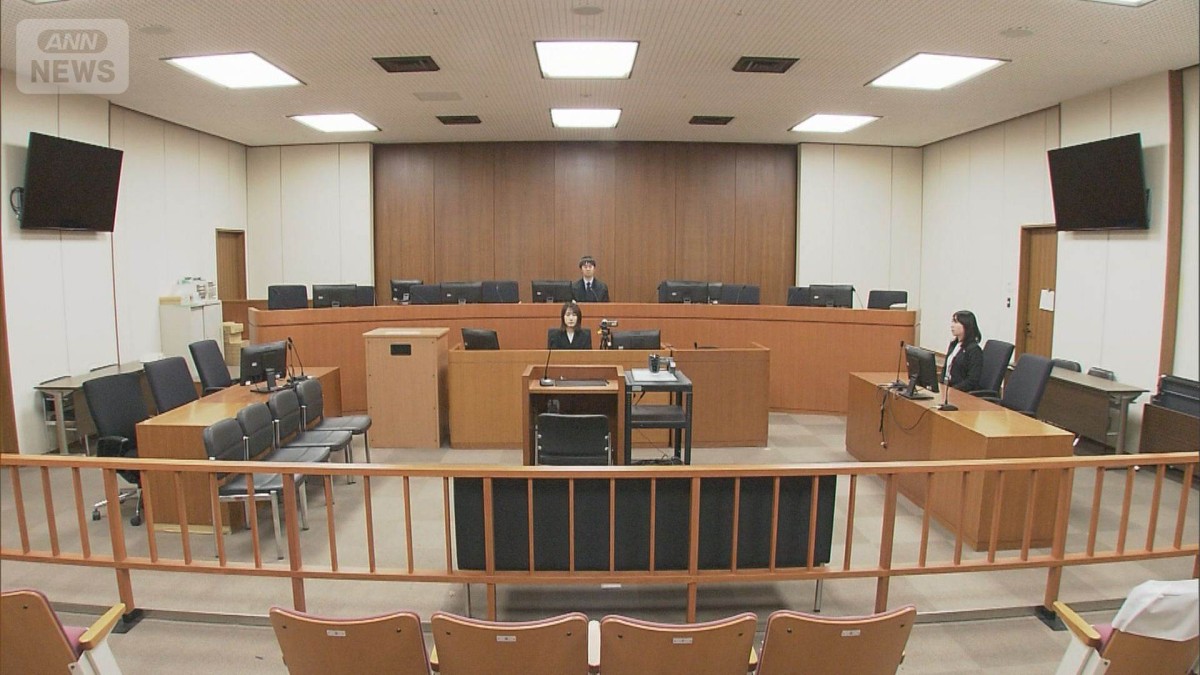
In a significant legal proceeding that has resonated throughout Japan’s professional community, a former lawyer has been sentenced for his involvement in the operation of a high-profile, unauthorized online service. The Tokyo District Court delivered its verdict this week, marking a stern conclusion to a case that centered on the intersection of legal ethics and digital service platforms.
The case involved Hiroshi Kajita, a former attorney who stood accused of violating the Attorney Act. Prosecutors argued that the service, marketed under the name “Momuri” (a colloquial Japanese term for “I can’t take it anymore”), provided assistance to users wishing to resign from their employment. By facilitating these resignations for a fee, the service drew the scrutiny of regulators and the legal establishment, who questioned the legality of non-lawyers—or lawyers operating outside professional mandates—providing such representative services in a commercial capacity.
Following the conclusion of the trial, the presiding judge addressed the defendant directly, offering a stark assessment of the conduct that led to the conviction. “As a junior member of the same legal profession, I find this regrettable,” the judge stated, highlighting the gravity of the breach of professional trust. The court’s decision underscores the rigid standards expected of those licensed to practice law in Japan, where the boundaries of legal representation are strictly enforced by the Japan Federation of Bar Associations.
The Legal Context: Understanding the Attorney Act
At the heart of this case is Article 72 of the Attorney Act, which serves as a cornerstone of Japan’s legal framework regarding professional representation. The law prohibits individuals who are not attorneys—and even attorneys acting outside the scope of their professional standing—from engaging in legal business, such as negotiating settlements or representing parties in disputes, for a fee. The Ministry of Justice maintains these regulations to protect the public from unqualified legal advice and to ensure that those navigating the legal system are represented by individuals bound by professional ethics and oversight.
The “Momuri” service operated by framing resignation assistance as a simplified, user-friendly digital product. However, the court found that the nature of the service, which involved acting as an intermediary between employees and their employers to finalize employment terminations, crossed the threshold into unauthorized legal practice. This case serves as a warning to other startups and digital platforms that attempt to disrupt traditional service sectors without accounting for the long-standing regulatory requirements governing legal representation.
Professional Ethics and Public Trust
The judge’s closing remarks, expressing disappointment in the defendant as a “junior” in the legal field, reflect a broader concern within the judiciary regarding the integrity of the bar. When a legal professional utilizes their credentials—or operates in a space that requires professional legal licensure—to circumvent the very laws they are sworn to uphold, it undermines public confidence in the judicial system.
For the legal community, the conviction of Hiroshi Kajita acts as a reaffirmation of the profession’s gatekeeping role. The Tokyo District Court has consistently signaled that commercial efficiency does not excuse non-compliance with the Attorney Act. As the digital economy continues to evolve, the distinction between “administrative support” and “legal representation” remains a critical area where service providers must tread carefully to avoid criminal liability.
What This Means for the Gig Economy
The outcome of this trial carries implications for the broader “resignation agency” industry, which has grown in popularity as labor market dynamics in Japan shift. While many such services operate within legal bounds by providing simple messaging or information, the court’s ruling establishes a clear precedent: any service that assumes the role of an advocate or representative in a labor dispute must be prepared to face rigorous legal scrutiny.
Stakeholders, including labor unions and human resources professionals, have been monitoring the case closely. The primary takeaway for consumers is the importance of verifying the credentials of any service provider when dealing with sensitive employment matters. For entrepreneurs, the lesson is equally clear: technological innovation does not exempt a business model from the foundational laws of the jurisdiction in which it operates.
As the legal community reflects on this verdict, the focus shifts to whether this will lead to a broader regulatory review of digital labor services. For now, the sentencing stands as a firm reminder of the boundaries defined by the Japanese legal system. Further updates regarding the finality of the sentence or any potential appeals will be documented through the official records of the Tokyo District Court.
If you have questions regarding legal services or the regulations governing employment representation, official guidance can be found through the Ministry of Health, Labour and Welfare. We will continue to monitor developments in this case as they emerge. Please feel free to share your thoughts or professional insights in the comments section below.
Worth a look