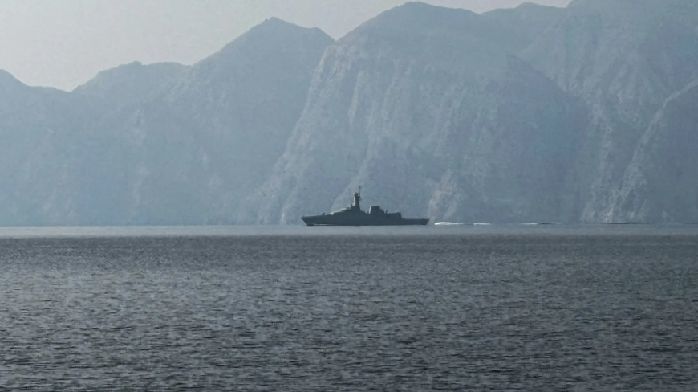
The strategic Strait of Hormuz, a critical chokepoint for global oil supply, remains a focal point of escalating tensions, with a growing consensus among Washington’s allies that a swift resolution is unlikely. Recent reports suggest a deepening impasse, fueled by Iran’s continued military activities in the region and a lack of consensus on how to ensure safe passage for commercial vessels. The situation is further complicated by ongoing nuclear negotiations between Iran and the United States, which have yielded no significant breakthroughs.
The Strait of Hormuz, located between Iran and Oman, is a narrow waterway through which approximately 20% of the world’s oil passes daily. Any disruption to traffic through the strait could have severe consequences for the global economy, potentially leading to significant price increases and supply shortages. Concerns have been mounting over Iran’s increasing deployment of drones, naval mines and fast-attack craft in the area, raising fears of potential confrontations. The United States Navy maintains a significant presence in the Persian Gulf, tasked with protecting shipping lanes and deterring Iranian aggression, but the situation remains volatile.
European Hesitancy and US Internal Divisions
While the United States has expressed strong resolve to maintain freedom of navigation in the Strait of Hormuz, it faces challenges in securing broad international support for a more assertive approach. European nations, in particular, have been hesitant to join a US-led military coalition, prioritizing diplomatic solutions and expressing concerns about escalating tensions. According to reports, there is a noticeable “coldness” from Europe regarding assisting the US in escorting vessels through the strait. This reluctance stems from a desire to preserve the Iran nuclear deal, formally known as the Joint Comprehensive Plan of Action (JCPOA), and avoid further destabilizing the region. France, however, has indicated a willingness to contribute to maritime security in the area, with President Emmanuel Macron stating his country’s desire to protect shipping lanes, while simultaneously urging a swift de-escalation of conflict and a ceasefire in the Middle East. As reported by Sinlang Caijing, Macron has called for a ceasefire in the Middle East within days.
Adding to the complexity, the US itself is grappling with internal divisions regarding the appropriate course of action. Some policymakers advocate for a more robust military response to deter Iranian aggression, while others emphasize the importance of continued diplomatic efforts. This internal debate has reportedly hampered the development of a unified strategy, leaving allies uncertain about the US commitment to maintaining security in the region. Guangming Wang reports that disagreements within the US regarding potential military action against Iran are becoming increasingly apparent.
Iran’s Assertiveness and Regional Implications
Iran has been increasingly assertive in the Persian Gulf, conducting live-fire military drills that have raised concerns among regional and international actors. In February 2026, Iran announced it had closed the Strait of Hormuz for live-fire drills while simultaneously engaging in nuclear talks with the United States. As reported by PBS, this move occurred during sensitive nuclear negotiations, highlighting Iran’s willingness to demonstrate its military capabilities even while engaging in diplomatic talks. These drills, coupled with Iran’s continued development of ballistic missiles and support for proxy groups in the region, have fueled concerns about its destabilizing activities.
The potential for miscalculation and escalation remains high. A minor incident involving Iranian or US forces could quickly spiral out of control, leading to a wider conflict. The presence of numerous commercial vessels transiting the Strait of Hormuz further complicates the situation, as any attack on shipping could have devastating consequences for global trade. Several nations have expressed concerns about the security of their vessels and are considering alternative routes, but these options are often more expensive and time-consuming.
International Efforts to De-escalate
Recognizing the gravity of the situation, several countries have been working to de-escalate tensions and promote dialogue. A six-nation coalition has issued a joint statement expressing its readiness to take measures to ensure the security of the Strait of Hormuz. Xin Jing Bao reports that this coalition is prepared to implement measures to safeguard maritime traffic. However, the specific nature of these measures remains unclear, and It’s uncertain whether they will be sufficient to deter Iranian aggression. France has also offered to provide naval escorts for ships transiting the strait, but its willingness to do so is contingent on a broader diplomatic framework.
The United States has been actively engaging with its allies to build a coalition to protect shipping in the Strait of Hormuz, but has faced resistance from some countries who are reluctant to be drawn into a potential conflict. Estonia, for example, has signaled its willingness to support the US, even if other allies do not, in a move described as “flirting with Trump.” Observer details this apparent shift in Estonian foreign policy.
The Prospect of a Prolonged Impasse
Despite ongoing diplomatic efforts, the outlook for a swift resolution to the crisis in the Strait of Hormuz remains bleak. Many analysts believe that the situation is likely to remain tense for the foreseeable future, with the potential for periodic escalations. The combination of Iranian assertiveness, US-Iranian mistrust, and a lack of international consensus creates a volatile environment that is ripe for miscalculation. The economic consequences of a prolonged disruption to oil supplies could be significant, impacting global growth and potentially triggering a recession.
The Economist reports that clearing the Strait of Hormuz of Iranian drones and mines would be a significant undertaking for the United States, requiring a substantial military commitment and carrying a high risk of escalation. The Economist details the challenges involved in such an operation.
The next key development to watch will be the outcome of the ongoing nuclear negotiations between Iran and the United States. A breakthrough in these talks could potentially ease tensions and create a more favorable environment for de-escalation. However, given the deep-seated mistrust between the two countries, a successful outcome is far from guaranteed. The international community must remain vigilant and continue to explore all possible avenues for promoting dialogue and preventing a wider conflict in this strategically vital region.
What are your thoughts on the situation in the Strait of Hormuz? Share your comments below and let us know what you sense should be done to ensure the safety of this critical waterway.
Related reading