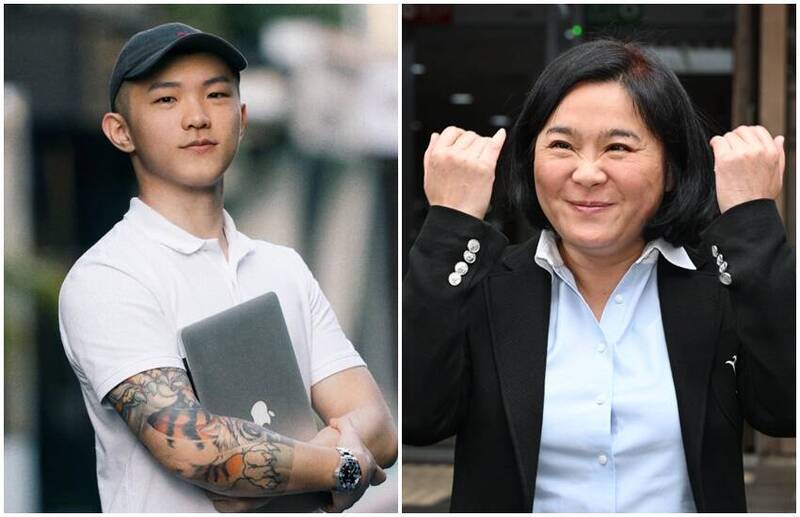
Internet users in Taiwan have recently revisited past social media commentary involving popular author Huang Shan-liao and legislator Chen Yu-chen, sparking widespread online discussion. The renewed attention centers on a historical anecdote shared by Huang regarding an alleged personal encounter with Chen, which has led to a flurry of social media reactions and critical analysis of the author’s public persona and literary work.
The discourse highlights the intersection of celebrity literature and political figures in Taiwan’s digital landscape. While the specific anecdote—which alleged an unsolicited visit by the legislator—has circulated on social media platforms for years, its recent resurgence underscores a broader trend of public scrutiny directed at authors who position themselves as lifestyle or relationship influencers. According to reporting from major Taiwanese news outlets, the public’s reaction reflects a polarized view of Huang’s influence, ranging from staunch support for his motivational messaging to intense criticism regarding the depth and substance of his writing.
The Origins of the Online Discussion
The controversy stems from a long-standing post written by Huang Shan-liao, in which he claimed that Chen Yu-chen had once arrived at his residence uninvited to seek him out. This anecdote, often cited in online forums as one of the author’s most “memorable” or “notable” posts, has been repeatedly unearthed by netizens to mock or debate the author’s credibility. The story serves as a focal point for critics who argue that the author often blurs the lines between personal life, political commentary, and creative writing.
Critics, including prominent internet personalities and media commentators, have frequently scrutinized Huang’s literary output. Some have characterized his writing style—which often focuses on emotional healing and “chicken soup for the soul” advice—as lacking depth. In various public critiques, observers have noted that while his books enjoy significant commercial success, they often face backlash for perceived superficiality. As reported by industry analysts, the tension between his massive fan base and his detractors remains a defining feature of his career in the Taiwanese publishing sector.
Public Reception and Critical Backlash
The reception of Huang’s work remains deeply divided. Supporters frequently praise his ability to articulate common emotional struggles, noting that his consistent emphasis on self-worth provides comfort to many readers. Conversely, detractors argue that the content of his work is repetitive and fails to provide genuine insight. This debate reached a peak when public figures, such as Chen Yi, publicly criticized the substance of his writing, suggesting that the popularity of such works reflects a broader issue in contemporary consumer culture.

The criticism often extends beyond his writing style to his public image. The persistent resurfacing of the anecdote involving Chen Yu-chen is used by detractors to question the author’s judgment and the authenticity of his public narratives. For readers interested in the broader context of Taiwan’s publishing industry and the impact of influencer-authors, understanding these dynamics requires looking at how social media metrics and public controversy directly correlate with book sales figures in the region, as tracked by government cultural databases.
Why Celebrity Authorship Faces Scrutiny
The scrutiny of Huang Shan-liao is not an isolated incident but part of a wider critique of “influencer literature.” In Taiwan, where authors often build their brands through social media engagement, the transition from online persona to published author is frequently met with skepticism. This skepticism often manifests as “fact-checking” of personal stories shared by these authors, leading to the type of viral resurfacing seen with the Chen Yu-chen anecdote.
For observers of the industry, the phenomenon demonstrates how quickly an author’s brand can become a lightning rod for public debate. Whether the focus is on the validity of a personal story or the perceived quality of a literary work, the dialogue indicates that the audience for such content is increasingly active in holding creators accountable for their public statements. As of this writing, there are no official legal filings or formal disputes regarding the specific claims made in these social media posts, and the discussion remains primarily within the realm of public opinion and online commentary.
Understanding the Broader Context
The ongoing discourse surrounding Huang’s work serves as a case study for the influence of social media on literary reputation. While commercial success remains a primary indicator of an author’s reach, the “online court of public opinion” continues to exert significant pressure on how these figures are perceived. The recurring nature of these discussions suggests that as long as an author maintains a high-profile public presence, their past anecdotes will likely remain subject to public review.

For those interested in following the trajectory of this debate, updates on the publishing industry and literary trends in Taiwan are regularly published by the Ministry of Culture. Readers are encouraged to evaluate these discussions critically, keeping in mind the distinction between anecdotal social media claims and verified public records. The debate over the “value” of such literature continues, with both supporters and critics contributing to a complex narrative about the role of modern authors in the digital age.
What are your thoughts on the intersection of social media influence and literary credibility? Share your perspectives in the comments section below.
Keep reading