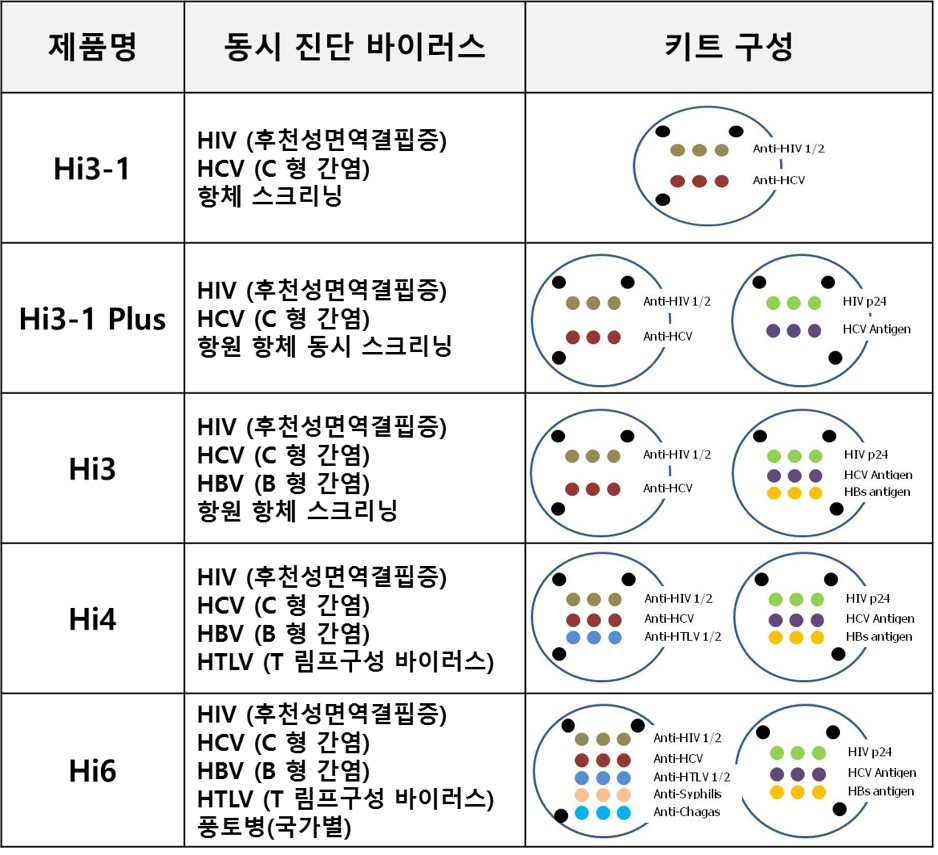
South Korean health authorities have officially discontinued the use of liver function tests as a screening tool for blood donations. The Korea Blood Service has shifted its protocol to rely on direct nucleic acid testing (NAT) to identify blood-borne pathogens. This decision marks a change in blood safety policy.
Why Liver Function Tests Were Retired
In the past, because it was difficult to directly identify viruses, liver function tests, which show increased levels when liver cells are damaged, were used as an indirect screening method. According to the provided information, recent advances in technology allow for the direct identification of viruses.
Advances in diagnostic technology have rendered this indirect approach obsolete. Modern testing protocols now employ nucleic acid amplification tests that can detect the genetic material of viruses directly. Because these molecular tests offer superior specificity and sensitivity, the continued use of the ALT test was deemed redundant. Health officials noted that the previous reliance on liver function monitoring led to the unnecessary discarding of blood units.
Impact on Blood Supply and Donors
The elimination of the ALT screening is expected to improve the efficiency of the national blood supply chain. By removing a test that frequently caused the disqualification of healthy donors, the Korea Blood Service aims to stabilize inventory levels and reduce waste.
For potential donors, the change simplifies the pre-donation medical history and physical screening process. While liver function testing is no longer a requirement for donation eligibility, the Korea Blood Service maintains rigorous standards for donor health, including comprehensive questionnaires and vital sign assessments. Detailed information regarding current donation eligibility criteria can be found through the official portal of the Korea Blood Service.
Modern Diagnostic Standards
The transition underscores the evolution of transfusion medicine. Nucleic acid testing (NAT) has shortened the “window period”—the time between initial infection and the point at which a virus becomes detectable in the blood. By shifting resources toward these molecular methods, the healthcare system enhances the overall safety of the blood supply while simultaneously respecting the altruistic efforts of volunteers.

The decision follows a review of diagnostic efficacy and blood inventory management. The Korea Blood Service has indicated that this policy change will be monitored through ongoing post-market surveillance to ensure that safety benchmarks remain consistent. Authorities continue to encourage healthy individuals to participate in blood drives, as the demand for blood products remains constant across hospitals and surgical centers nationwide.
Next Steps in Blood Safety Policy
The Korean Red Cross and associated health authorities are scheduled to continue their routine oversight of blood collection centers, with updated guidelines now in full effect at all donation sites. The public is encouraged to visit the official website of the Korean Red Cross for the most recent updates on blood safety protocols and to locate local donation centers. Readers are invited to share their thoughts or questions regarding these updated health policies in the comments section below.