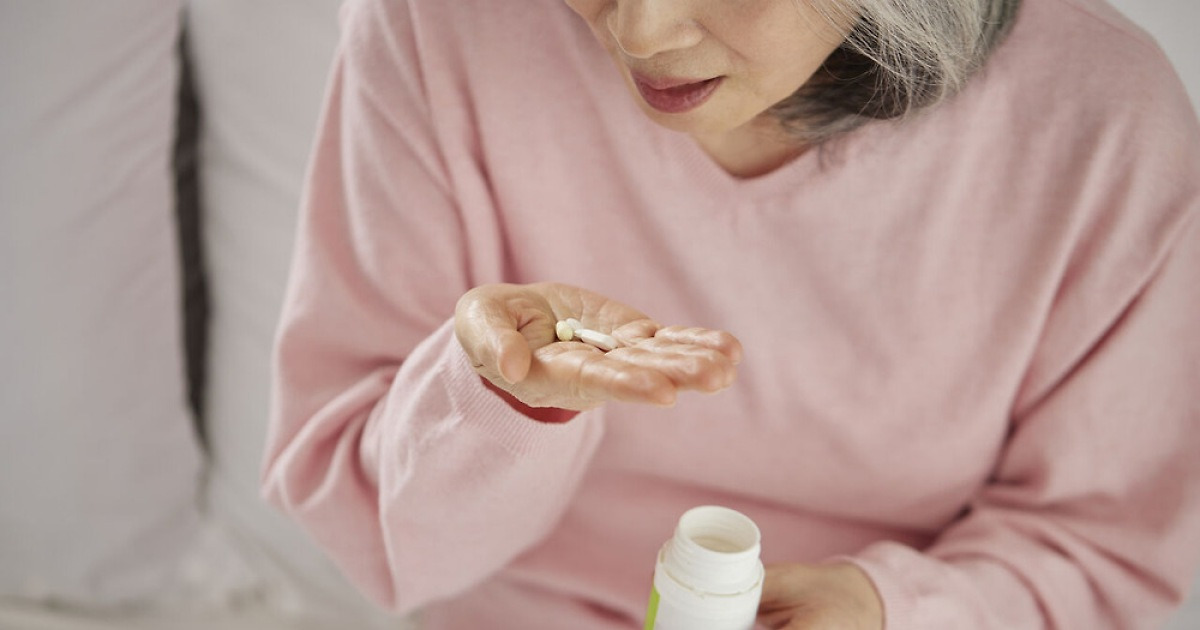
Older adults who maintain consistent use of statins—a common class of cholesterol-lowering medication—may experience a 24% lower risk of developing frailty compared to non-users, according to recent clinical research. Frailty, a geriatric syndrome characterized by diminished physical strength, unintended weight loss, and reduced physiological reserves, significantly increases the vulnerability of older individuals to falls, hospitalization, and institutionalization, as defined by the World Health Organization (WHO).
This finding highlights a potential secondary benefit of cardiovascular management in aging populations. While statins are primarily prescribed to reduce the risk of atherosclerotic cardiovascular disease by inhibiting the HMG-CoA reductase enzyme, researchers are increasingly investigating their impact on broader markers of aging, including sarcopenia and chronic systemic inflammation, as reported by the American Heart Association (AHA).
Understanding Frailty in Aging Populations
Frailty is not merely a consequence of advanced age but a distinct clinical state where an individual’s ability to recover from minor stressors—such as an infection or a simple fall—is severely compromised. According to the National Institute on Aging (NIA), frailty is often measured by the Fried Phenotype, which assesses five key criteria: unintentional weight loss, self-reported exhaustion, low physical activity, slowed walking speed, and weak grip strength.
When these factors converge, the risk of adverse health outcomes, including disability and mortality, rises sharply. The condition represents a major focus in modern geriatric medicine because it is potentially reversible or manageable through interventions such as nutritional optimization, resistance exercise, and the careful review of polypharmacy. Clinicians emphasize that early identification is critical to preventing the “frailty cycle,” where physical decline leads to immobility, which in turn accelerates further muscle wasting.
The Role of Statins Beyond Cholesterol
The association between statin use and a reduced risk of frailty is attributed by some researchers to the medication’s pleiotropic effects—benefits that extend beyond simple lipid lowering. Statins possess anti-inflammatory and antioxidant properties, which may help mitigate the chronic, low-grade inflammation often associated with the aging process, sometimes referred to as “inflammaging,” according to research published in the The Lancet Healthy Longevity.
However, the medical community remains cautious regarding the interpretation of these findings. While observational data suggest a correlation, these studies cannot definitively prove that statins directly prevent frailty. Other factors, such as the “healthy user bias”—whereby patients prescribed statins are already more likely to receive consistent, high-quality medical care—may influence the data. Physicians typically perform a risk-benefit analysis before prescribing these medications, ensuring that the patient’s cardiovascular profile warrants long-term treatment.
Clinical Considerations for Older Patients
For patients and their families, the decision to initiate or continue statin therapy should always be made in consultation with a primary care physician or a geriatrician. It is essential to monitor for potential side effects, which in older adults can include muscle pain (myalgia) or, in rarer instances, cognitive changes, as noted by the U.S. Food and Drug Administration (FDA) regarding medication safety labeling.
The management of frailty requires a comprehensive approach. Beyond pharmacotherapy, the following interventions are consistently supported by clinical guidelines:
- Resistance Training: Targeted exercise to maintain muscle mass and bone density.
- Nutritional Support: Ensuring adequate protein intake to prevent age-related muscle loss (sarcopenia).
- Medication Review: Regularly auditing current prescriptions with a pharmacist to reduce the risk of harmful drug interactions or unnecessary side effects.
- Fall Prevention: Assessing home environments and gait stability to minimize the risk of acute injury.
Looking Ahead: Future Research
The medical community continues to monitor long-term outcomes for patients on statin regimens. Future clinical trials are expected to provide more definitive evidence on whether the protective effects against frailty are consistent across diverse demographic groups and varying levels of baseline health. As global life expectancy increases, the integration of preventive strategies—both pharmacological and lifestyle-based—remains a priority for healthcare systems worldwide.

Patients are encouraged to discuss their specific health markers, including cholesterol levels and physical function, during their next scheduled physical examination. Consistent, longitudinal monitoring is the most effective tool in managing the transition into older age. For those seeking further information on geriatric health standards, official resources are available through the Gerontological Society of America. Please share your thoughts or questions in the comments section below to contribute to our community discussion on healthy aging.