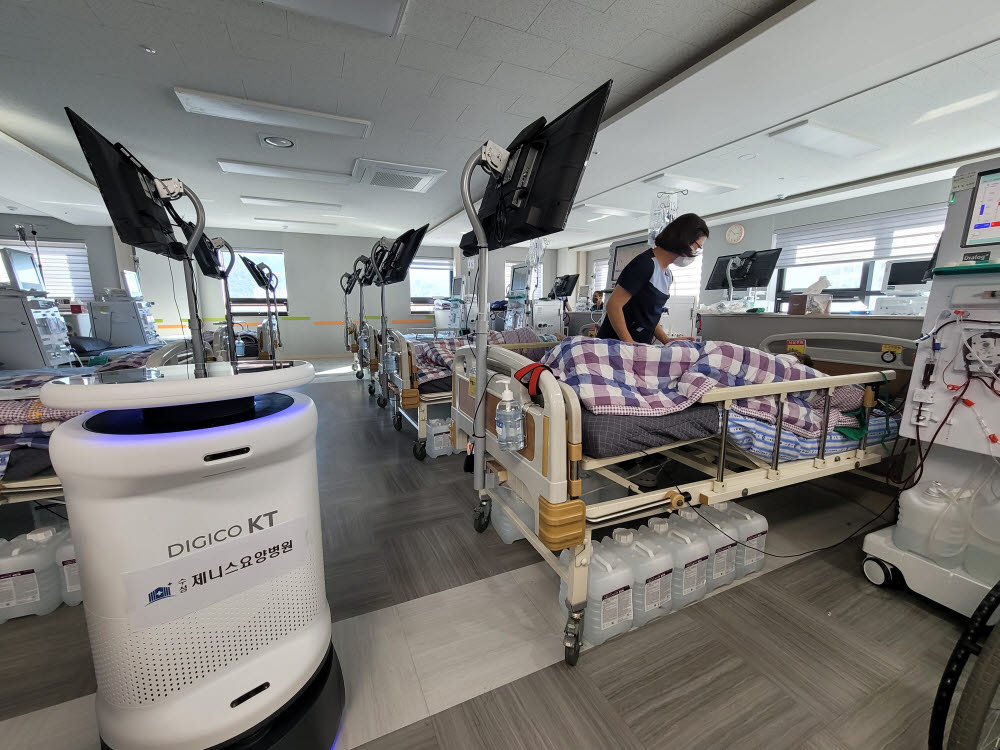
The discovery of larvae in the oral cavity of an 84-year-old patient at a nursing home has ignited a significant public debate regarding the standards of geriatric care and the fundamental protection of human dignity in long-term medical facilities. Health authorities are currently investigating the incident to determine whether the occurrence resulted from systemic failures in hygiene protocols or individual lapses in patient monitoring, according to reports from regional health oversight bodies.
For families with relatives in residential care, the incident serves as a stark reminder of the importance of rigorous clinical oversight. Ensuring that nursing facilities adhere to established sanitation mandates is not merely a matter of regulatory compliance; it is a baseline requirement for maintaining the physical and psychological well-being of vulnerable elderly populations, as outlined in the Ministry of Health and Welfare’s guidelines for long-term care institutions.
Regulatory Standards and Patient Safety Protocols
Nursing homes are legally obligated to maintain specific hygiene and safety standards to prevent secondary infections and ensure patient dignity. Under current healthcare legislation, facilities must implement comprehensive care plans that include regular oral hygiene assessments and wound management, particularly for patients with limited mobility or cognitive impairments. According to the World Health Organization (WHO) framework on long-term care, the presence of such conditions in a clinical setting is often indicative of a breakdown in basic nursing care duties, such as turning schedules, feeding assistance, and daily hygiene checks.
When these standards are compromised, the consequences for the patient can be severe, leading to infections and increased psychological trauma. Regulatory bodies emphasize that patient safety is non-negotiable, and facilities found in violation of these mandates face administrative penalties, including suspension of operations or the revocation of their operating licenses. The National Health Insurance Service monitors these facilities through periodic evaluations to ensure that the quality of care remains consistent with national medical standards.
The Impact of Caregiver Ratios on Clinical Outcomes
A recurring theme in the discourse surrounding elder care quality is the impact of staffing ratios on patient outcomes. Experts in medical management note that when the ratio of nursing staff to patients is insufficient, the time available for essential tasks—such as checking a patient’s mouth or skin condition—decreases significantly. This creates an environment where preventable conditions are more likely to go unnoticed until they reach a critical state.

Data suggests that institutions with higher staffing levels generally report fewer incidents of neglect and improved patient satisfaction scores. As populations age globally, the demand for high-quality, professionalized geriatric care continues to grow, placing pressure on both private and public sectors to invest in better training and higher wages for care workers. The OECD’s report on long-term care systems highlights that the sustainability of these facilities depends on the ability to attract and retain skilled personnel who are equipped to handle the complex needs of the elderly.
How Families Can Monitor Care Quality
For families concerned about the quality of care in nursing facilities, there are proactive steps that can be taken to ensure the safety of their loved ones. First, reviewing the facility’s latest government inspection report is essential, as these documents provide a transparent view of the institution’s compliance history. Second, maintaining regular communication with the primary physician and the nursing staff helps to establish a baseline of expectations regarding the patient’s daily care routines.
If concerns arise, families are encouraged to document specific observations and communicate them formally to the facility administration. If a resolution is not achieved, complaints can be filed with local health departments or the relevant provincial oversight authorities. The Anti-Corruption and Civil Rights Commission provides channels for reporting administrative failures in public and private health sectors, ensuring that grievances are handled through formal, transparent investigation processes.
Future Directions for Geriatric Care Reform
The incident has prompted calls for a more robust surveillance system within nursing homes. Advocates for elder rights are pushing for the mandatory installation of monitoring technology in common areas and the implementation of more frequent, unannounced site visits by health inspectors. While privacy concerns remain a point of contention, the consensus among public health experts is that the right to a safe, hygienic environment must take precedence in high-dependency care settings.

As the investigation into the specific case continues, the broader medical community is focusing on how to integrate better digital health records to track daily care tasks more effectively. By digitizing hygiene logs and medication administration, facilities can create an audit trail that makes it easier for supervisors to identify lapses before they result in patient harm. Further updates on the regulatory response to this case are expected following the conclusion of the current administrative review.
The next official update regarding the findings of the investigation is expected to be released by the local health district office within the coming month. We encourage our readers to share their thoughts on the balance between privacy and safety in nursing homes in the comments section below.
Related reading