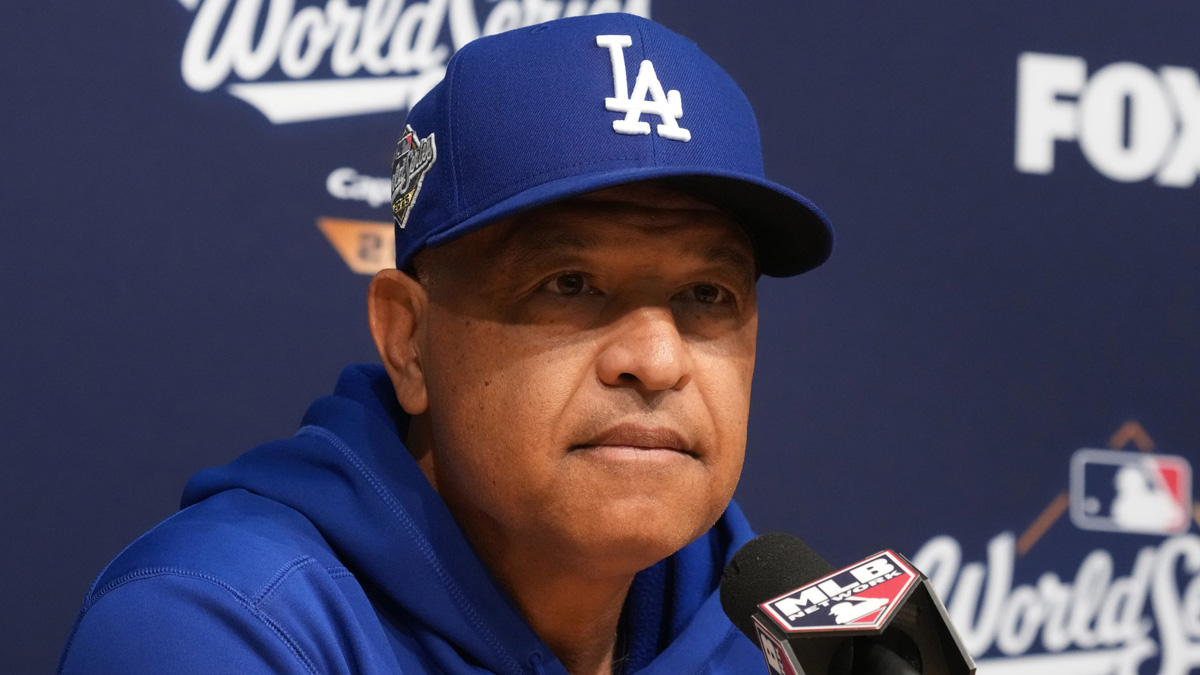
The Los Angeles Dodgers have officially moved infielder Hye-Seong Kim to the minor leagues, a decision that underscores the high-stakes environment of Major League Baseball (MLB) as the team navigates roster management during a critical stretch of the season. The move, which was finalized on Wednesday, marks a significant shift for the 25-year-old infielder, who arrived in Los Angeles with high expectations following a standout career in the KBO League.
For fans and analysts following the Dodgers’ pursuit of roster depth, the transition of Hye-Seong Kim represents the rigorous standards maintained by manager Dave Roberts. While Kim’s versatility—playing multiple infield positions—was a primary draw for the front office, the adjustment to the velocity and breaking ball movement of the major leagues has proven to be a complex hurdle.
Evaluating the Mechanical Shift
The decision to option Kim to the minor leagues was not made in a vacuum. During post-game media availability, manager Dave Roberts pointed to observable changes in Kim’s mechanics. Specifically, Roberts noted that the infielder’s swing has undergone a noticeable transformation, moving away from the consistent approach that made him a premier contact hitter in his home country. “His swing has changed,” Roberts explained, emphasizing that the coaching staff believes a period of structured development in a lower-pressure environment is necessary to regain his timing and rhythm.
In the context of modern baseball, where analytical precision dictates playing time, this “swing change” often refers to a loss of bat path efficiency or an inability to handle specific pitch sequences that MLB pitchers exploit. By moving Kim to the minor league roster, the Dodgers’ player development team aims to work closely with him to simplify his mechanics and ensure his defensive versatility remains a viable asset for the big league club later in the season.
The Challenges of Transcontinental Transitions
The transition from the KBO to MLB is notoriously difficult, as players must adjust to a significant increase in pitch velocity and a different strike zone. According to Baseball-Reference, players moving between international leagues often experience a “transition lag” as they adapt to the sheer depth of talent in American farm systems and the major leagues. Kim, who signed with the Dodgers to bolster their middle infield, is now part of that developmental process.
The Dodgers’ organization has a long history of successfully integrating international talent, but the process is rarely linear. For Kim, this stint in the minors is not necessarily an indictment of his long-term potential, but rather a strategic maneuver to allow him to face consistent game speed without the high-leverage pressure of a playoff-contending MLB roster. The team’s front office remains focused on his ability to hit for contact, a skill that made him a multi-time All-Star in the KBO.
What Lies Ahead for the Dodgers’ Roster
With Kim heading to the minors, the Dodgers are expected to rely on their existing depth to fill the void in the middle infield. The team’s roster flexibility has been a hallmark of their success, allowing them to shift players across various positions to optimize matchups. For followers of the team, the primary focus will now shift to the minor league box scores, where scouts and fans alike will monitor whether Kim can implement the mechanical adjustments requested by the major league staff.
The path back to the majors is governed by MLB roster rules, which dictate how long a player must remain in the minors before being eligible for a recall, barring injury to an active roster player. As the Dodgers continue their campaign, the internal competition for bench spots will likely remain intense. The organization has prioritized a “next man up” mentality, and Kim’s progress will be a key storyline to watch as the summer months progress.
Key Takeaways on the Roster Move
- Mechanical Focus: The primary reason for the reassignment, as stated by the coaching staff, is to correct deficiencies in Kim’s current swing mechanics.
- Developmental Strategy: The Dodgers are utilizing their minor league affiliate to provide Kim with the necessary reps to adjust to MLB-level pitching.
- Roster Flexibility: The move reflects the Dodgers’ commitment to maintaining a competitive 26-man roster capable of handling the rigors of a 162-game season.
- Future Outlook: While the current assignment is immediate, Kim remains a part of the team’s organizational depth, with a potential return dependent on his performance and the team’s ongoing needs.
As we continue to cover the evolving landscape of international baseball and the Dodgers’ path toward the postseason, we invite our readers to share their thoughts on the team’s roster management decisions. Does the minor league route offer the best chance for Kim to succeed, or should the team have opted for more patience at the major league level? Join the conversation in the comments section below.
For the latest official roster updates and transaction reports, please consult the official Los Angeles Dodgers transaction page.
Related reading