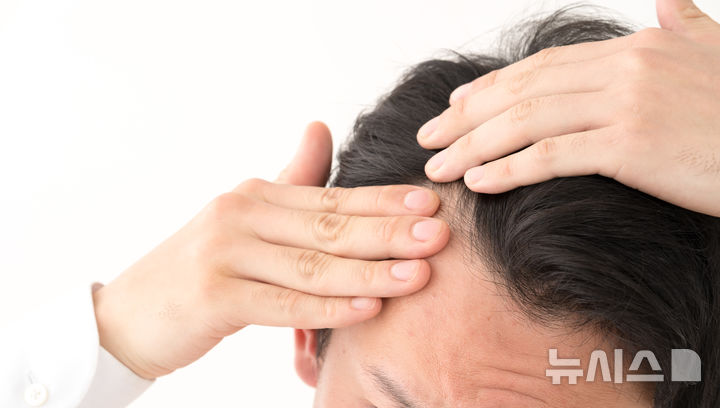
Thinning hair is often the first clinical indicator of androgenetic alopecia, commonly known as male or female pattern hair loss, according to guidelines from the American Academy of Dermatology (AAD). Medical experts emphasize that observing a gradual reduction in hair shaft diameter, a process known as miniaturization, serves as a critical biomarker for early intervention. While hair shedding is a natural biological process, a persistent change in hair texture or density warrants a professional evaluation to distinguish between temporary stress-related thinning and progressive genetic hair loss.
As a physician, I frequently see patients who wait until significant scalp visibility occurs before seeking medical advice. However, the efficacy of preventative treatments—such as topical minoxidil or oral finasteride—is significantly higher when initiated during the early stages of follicular miniaturization, as noted in research published by the National Center for Biotechnology Information (NCBI). Understanding the physiological signs of hair thinning allows individuals to consult with a dermatologist before the hair follicle becomes dormant.
Recognizing the Signs of Follicular Miniaturization
Miniaturization is a progressive process where hair follicles gradually shrink, producing shorter, thinner, and less pigmented hairs over time. The AAD reports that this process is the hallmark of androgenetic alopecia. Unlike telogen effluvium—a form of temporary hair loss often triggered by physical or emotional stress, nutritional deficiencies, or hormonal fluctuations—miniaturization is usually permanent if left untreated.

Patients should monitor for several specific indicators:
- A widening of the part line in women.
- A receding hairline or thinning at the crown in men.
- A noticeable change in the “ponytail circumference” or overall hair volume.
- Increased scalp visibility under bright lighting.
If you notice these changes, it is essential to rule out other medical causes. According to the Mayo Clinic, conditions such as iron deficiency anemia, thyroid disorders, and autoimmune diseases like alopecia areata can cause hair thinning. Diagnostic blood work is often the first step a physician will take to ensure that the thinning is not a symptom of an underlying systemic health issue.
Evidence-Based Approaches to Management
Once a diagnosis of pattern hair loss is confirmed, dermatologists typically recommend a multi-modal approach. For many, the primary goal is to stabilize the follicle and prevent further miniaturization. The U.S. Food and Drug Administration (FDA) has approved specific pharmacological interventions that have shown clinical efficacy in slowing hair loss and potentially promoting regrowth.
Commonly utilized treatments include:
- Minoxidil: Available in topical formulations, this vasodilator is used to prolong the anagen (growth) phase of the hair cycle.
- Finasteride: An oral medication that inhibits the enzyme 5-alpha-reductase, thereby reducing the production of dihydrotestosterone (DHT), the androgen primarily responsible for follicular miniaturization in genetically predisposed individuals.
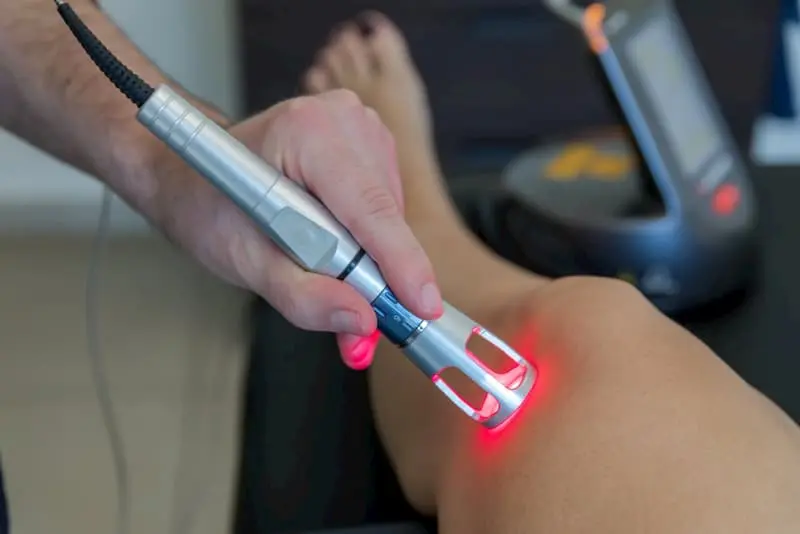
- Low-Level Laser Therapy (LLLT): Some studies suggest that specific wavelengths of light may stimulate follicular activity, though clinical results can vary between patients.
It is important to note that these treatments require consistency. Most clinicians advise that results are typically not visible for at least four to six months, as the hair growth cycle is inherently slow. Discontinuing treatment often results in the reversal of any gains, as the underlying genetic predisposition remains active.
Lifestyle Factors and Preventative Care
While genetics play the most significant role in pattern hair loss, lifestyle factors can influence the overall health of the scalp and existing hair. Maintaining a balanced diet rich in essential nutrients—specifically protein, iron, and biotin—is foundational for healthy hair production. The National Health Service (NHS) emphasizes that while there is no definitive “cure” for hereditary hair loss, minimizing scalp inflammation and avoiding harsh chemical treatments can help preserve the integrity of the hair shaft.

Managing systemic stress is also a factor, as chronic cortisol elevation can exacerbate hair loss conditions. Engaging in regular physical activity and ensuring adequate sleep are general health practices that support hormonal balance. For those concerned about thinning, the best course of action is to schedule a consultation with a board-certified dermatologist to discuss a personalized management plan.
Medical guidelines are updated periodically as new clinical trials are published. Readers are encouraged to consult official portals such as the American Academy of Dermatology for the latest updates on hair loss research and FDA-approved therapies. If you have questions about your specific hair health, feel free to share your experiences or questions in the comments section below.