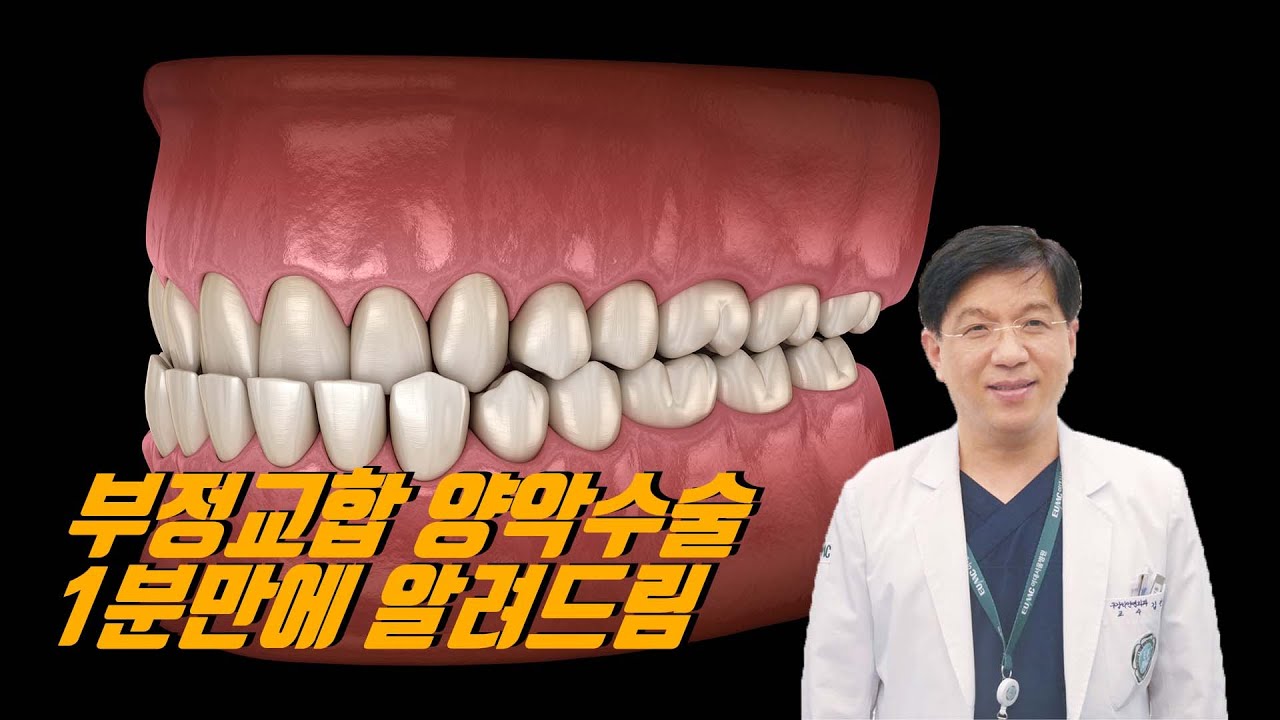
Correcting an irregular dental alignment is often viewed through the lens of aesthetic improvement, but medical professionals emphasize that the primary drivers for corrective procedures like orthognathic surgery—commonly known as double jaw surgery—are frequently rooted in functional health. For many patients, including public figures who have discussed their medical journeys, the decision to undergo significant oral surgery is a response to chronic issues involving bite occlusion, joint pain, and long-term dental integrity, rather than cosmetic preference alone.
When teeth do not meet properly, the resulting malocclusion can lead to uneven wear on enamel, chronic jaw tension, and potential damage to the periodontal tissues. According to the American Association of Oral and Maxillofacial Surgeons, orthognathic surgery is indicated when orthodontic treatment alone is insufficient to correct skeletal discrepancies. These procedures are designed to reposition the jaws to improve function, allowing for more effective chewing, speaking, and breathing, which are critical components of long-term oral and systemic health.
Understanding the Medical Necessity of Jaw Alignment
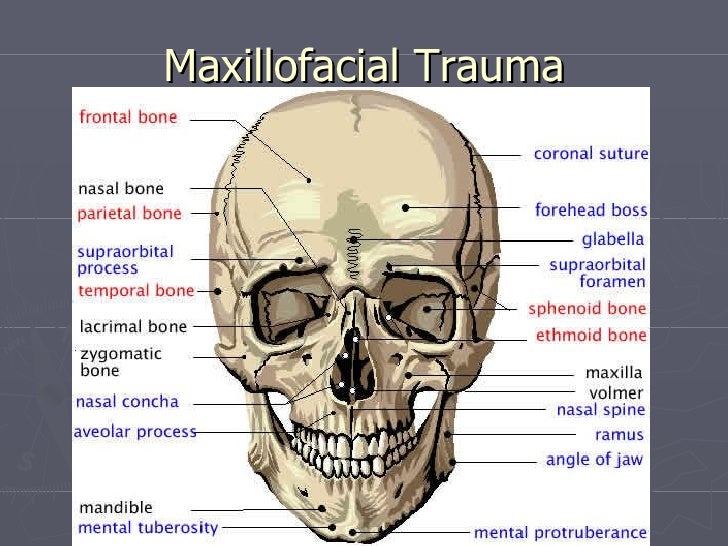
The term “dental alignment” encompasses far more than the visual appearance of a smile. It includes the structural relationship between the maxillary (upper) and mandibular (lower) jaws, the health of the temporomandibular joints (TMJ), and the stability of the surrounding alveolar bone. When these structures are misaligned, the consequences extend well beyond the mouth. Chronic malocclusion can place excessive stress on the masticatory muscles, which may manifest as tension headaches, earaches, or persistent facial pain.
In clinical practice, surgeons and orthodontists evaluate the “bite” by examining how the teeth interdigitate during closure. A healthy bite distributes biting forces evenly across all teeth. When skeletal irregularities exist, certain teeth may bear an outsized portion of this pressure, leading to premature tooth loss or fractured restorations. The National Institute of Dental and Craniofacial Research notes that structural issues involving the jaw can contribute to temporomandibular disorders (TMD), which are characterized by pain and limited range of motion in the jaw joint.
The Role of Orthognathic Surgery
For individuals with severe skeletal discrepancies, such as a significant overbite, underbite, or crossbite that cannot be resolved with braces or aligners, surgery becomes a viable medical intervention. The process typically involves a coordinated effort between an orthodontist and an oral and maxillofacial surgeon. The orthodontist prepares the teeth for the new jaw position, while the surgeon performs the procedure to align the skeletal structures.
The goal of these procedures is to create a stable, functional, and healthy bite. By correcting the underlying skeletal issue, surgeons can often alleviate the secondary symptoms that patients experience, such as difficulty chewing or chronic discomfort. Recovery from such procedures requires a comprehensive post-operative plan, including physical therapy for the jaw and a structured approach to resuming normal dietary habits. Patients are generally advised to work closely with their medical team to manage swelling and ensure proper bone healing in the weeks following the operation.
Evaluating Risks and Long-Term Outcomes
As with any major surgical intervention, orthognathic surgery carries inherent risks that must be weighed against the potential benefits. Potential complications include nerve sensation changes, infection, or the need for secondary procedures. Because of these factors, clinicians prioritize a thorough pre-operative assessment, which includes advanced diagnostic imaging such as 3D cone-beam computed tomography (CBCT) to map the patient’s anatomy precisely.
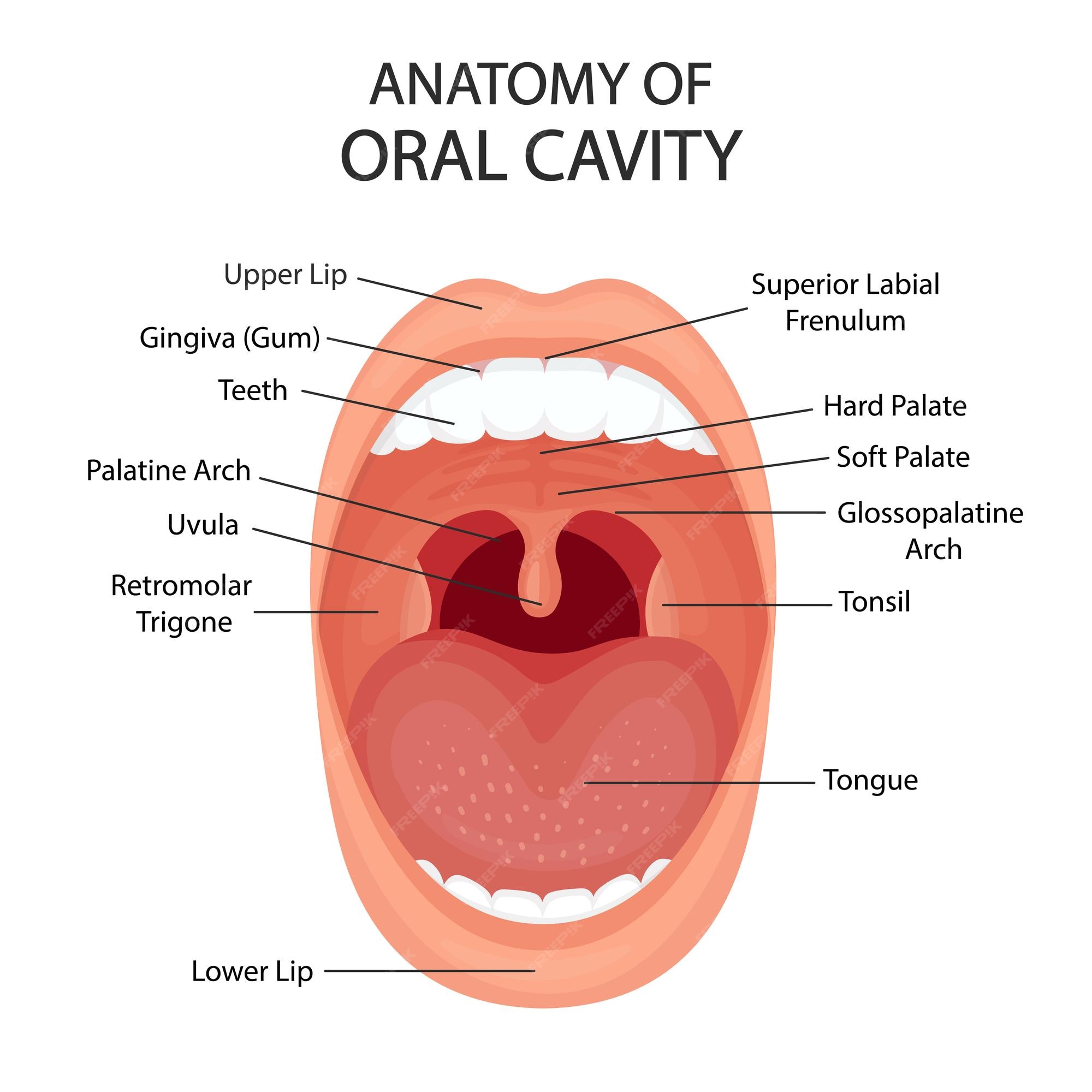
Patients considering such procedures are encouraged to consult with board-certified oral and maxillofacial surgeons who can provide a detailed analysis of their specific case. Understanding the distinction between functional necessity and cosmetic desire is essential for setting realistic expectations. The Journal of Oral and Maxillofacial Surgery emphasizes that patient-reported outcome measures often show significant improvements in quality of life for those suffering from severe functional limitations, provided the surgery is performed for clear medical indications.
A Proactive Approach to Dental Health
Maintaining oral health is a lifelong process that begins with regular screenings. An irregular bite may not always require surgery; for many, early intervention with orthodontic appliances can prevent the progression of dental wear and joint issues. The key for patients is to recognize the early warning signs of misalignment, such as clicking or popping in the jaw, difficulty biting into food, or unexplained tooth sensitivity.
If you suspect that your dental alignment is affecting your daily life or causing persistent pain, scheduling a consultation with a qualified orthodontist or maxillofacial specialist is the recommended first step. These professionals can provide a clinical assessment to determine if your symptoms are related to skeletal alignment and discuss the appropriate, evidence-based treatment options available. As health standards continue to evolve, the focus remains on prioritizing functional longevity and the overall well-being of the patient.
This article provides general information and is not a substitute for professional medical advice, diagnosis, or treatment. Always seek the advice of your physician or other qualified health provider with any questions you may have regarding a medical condition.
Keep reading