
In an era where traditional classroom lectures often struggle to hold the attention of the digital generation, educators and health officials are increasingly turning to “edutainment”—the strategic blend of education, and entertainment. A recent initiative in Gwangju, South Korea, has captured this trend by utilizing a visually captivating bubble show to teach children the fundamental principles of personal hygiene.
The program, designed specifically for a pediatric audience, focuses on the critical habits of proper handwashing and oral hygiene. By transforming a routine health lesson into an experiential performance, organizers aim to instill lifelong hygiene habits in children through engagement rather than instruction. This approach recognizes that for young children, the abstract concept of “germs” is often difficult to grasp without a tangible, visual representation.
The event was spearheaded by the Gwangju center of the local health and nutrition oversight body, which organized the performance to meet children at their own developmental level. By using bubbles—which naturally fascinate children—the show creates a memorable sensory experience that reinforces the importance of soap and water in removing invisible contaminants from the skin.
The Science of Experiential Learning in Pediatric Health
The shift toward experiential performances like the bubble show is rooted in educational psychology. For children, learning is most effective when it is active and multisensory. When a child sees a bubble form and pop, or watches the interaction of soap and water in a theatrical setting, the cognitive connection to the act of washing their own hands becomes stronger.
Hygiene education is not merely about the “how” but the “why.” By framing handwashing as a dynamic activity, the Gwangju initiative removes the chore-like nature of hygiene. This is particularly vital for the formation of “automatic” habits. According to global health standards, consistent hand hygiene is one of the most effective ways to prevent the spread of respiratory and gastrointestinal infections in school-aged children.
The World Health Organization (WHO) emphasizes that hand hygiene is a cornerstone of infection prevention and control. For children, the process must be thorough, involving all surfaces of the hands and fingers, a detail that the Gwangju performance seeks to demonstrate through visual storytelling. More information on global hand hygiene standards can be found through the World Health Organization’s hand hygiene campaigns.
Beyond the Bubbles: Integrating Oral Health
While the bubble show serves as the primary draw, the curriculum extends beyond hand hygiene to include oral health. The program integrates lessons on proper tooth brushing, addressing a critical window of dental development in early childhood. By pairing handwashing with dental care, the initiative promotes a holistic view of personal hygiene.
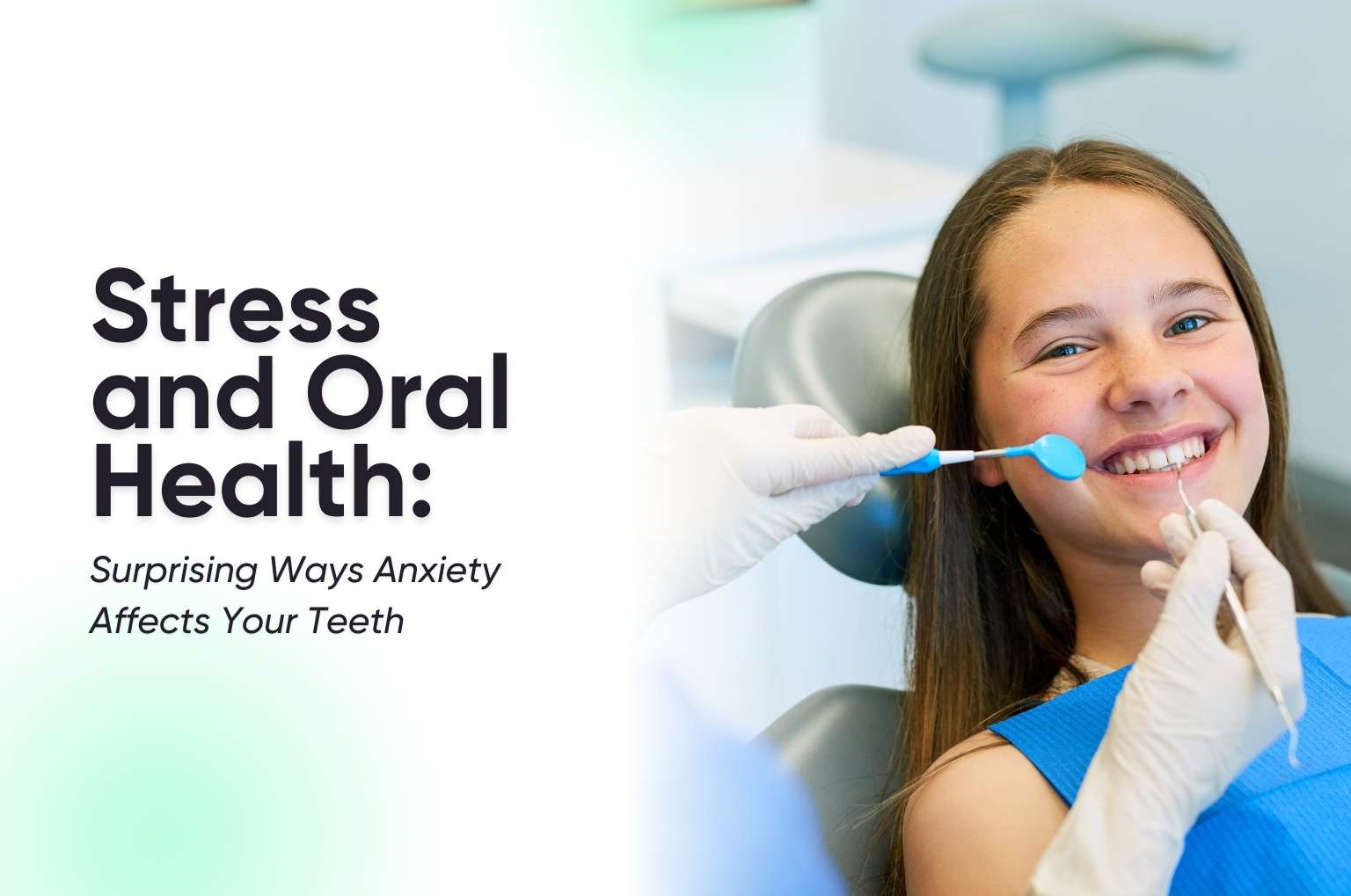
Dental hygiene in early childhood is often a point of contention between parents and children. By introducing these concepts through a performance, the “fear” or “boredom” associated with brushing is replaced by curiosity. The Gwangju center’s approach suggests that when health mandates are presented as a form of play, compliance rates among children typically increase.
The Centers for Disease Control and Prevention (CDC) notes that proper handwashing can prevent about 30% of diarrhea-related sicknesses and about 20% of respiratory infections, such as the common cold. Integrating these statistics into a child-friendly format ensures that the community’s health resilience is strengthened from the ground up. Detailed guidance on proper washing techniques is available via the CDC Handwashing page.
Impact on Community Health and Habit Formation
The implementation of such programs in Gwangju reflects a broader trend in South Korean public health: the move toward community-based, interactive education. Rather than relying solely on school textbooks, the use of mobile, experiential shows allows health officials to reach children in diverse settings, ensuring that the message of hygiene is consistent across different environments.
Stakeholders in the program highlight that the “eye-level” approach—meaning the content is tailored to the physical and emotional perspective of a child—is the key to its success. When children feel that a performance is “for them” rather than “at them,” they are more likely to internalize the lessons. This psychological shift is essential for transitioning a learned behavior into a permanent habit.
The long-term impact of these initiatives extends beyond the immediate reduction of illness. By fostering a sense of autonomy and pride in their own hygiene, children develop a sense of responsibility for their health, which reduces the burden on healthcare systems and improves overall school attendance rates.
Key Takeaways for Pediatric Hygiene Education
- Visual Stimuli: Using tools like bubble shows makes invisible concepts (like germs and soap action) tangible for children.
- Edutainment: Blending entertainment with education increases engagement and retention compared to traditional lecturing.
- Holistic Approach: Combining multiple hygiene habits, such as handwashing and tooth brushing, creates a comprehensive health routine.
- Developmental Tailoring: Designing content for a child’s “eye level” ensures the message is accessible and non-threatening.
Looking Forward: The Future of Interactive Health
As Gwangju continues to refine its approach to pediatric health, the success of the bubble show provides a blueprint for other municipalities. The integration of art, performance, and science is proving to be a potent combination in the fight against preventable childhood illnesses.

The next phase for such programs often involves digital integration, such as augmented reality (AR) apps that allow children to “see” germs on their hands in real-time, further bridging the gap between the theatrical experience and daily practice. By continuing to innovate the delivery of health information, community centers can ensure that the next generation is not only healthier but more conscious of the science behind their well-being.
While the current focus remains on the experiential performance in Gwangju, health officials are expected to monitor the long-term habit retention of the participating children to calibrate future educational modules. Updates on community health initiatives in the region are typically released through local municipal health bulletins and official government announcements.
Do you believe “edutainment” is the most effective way to teach children about health, or do traditional methods still hold more value? Share your thoughts in the comments below and share this article with other parents and educators.