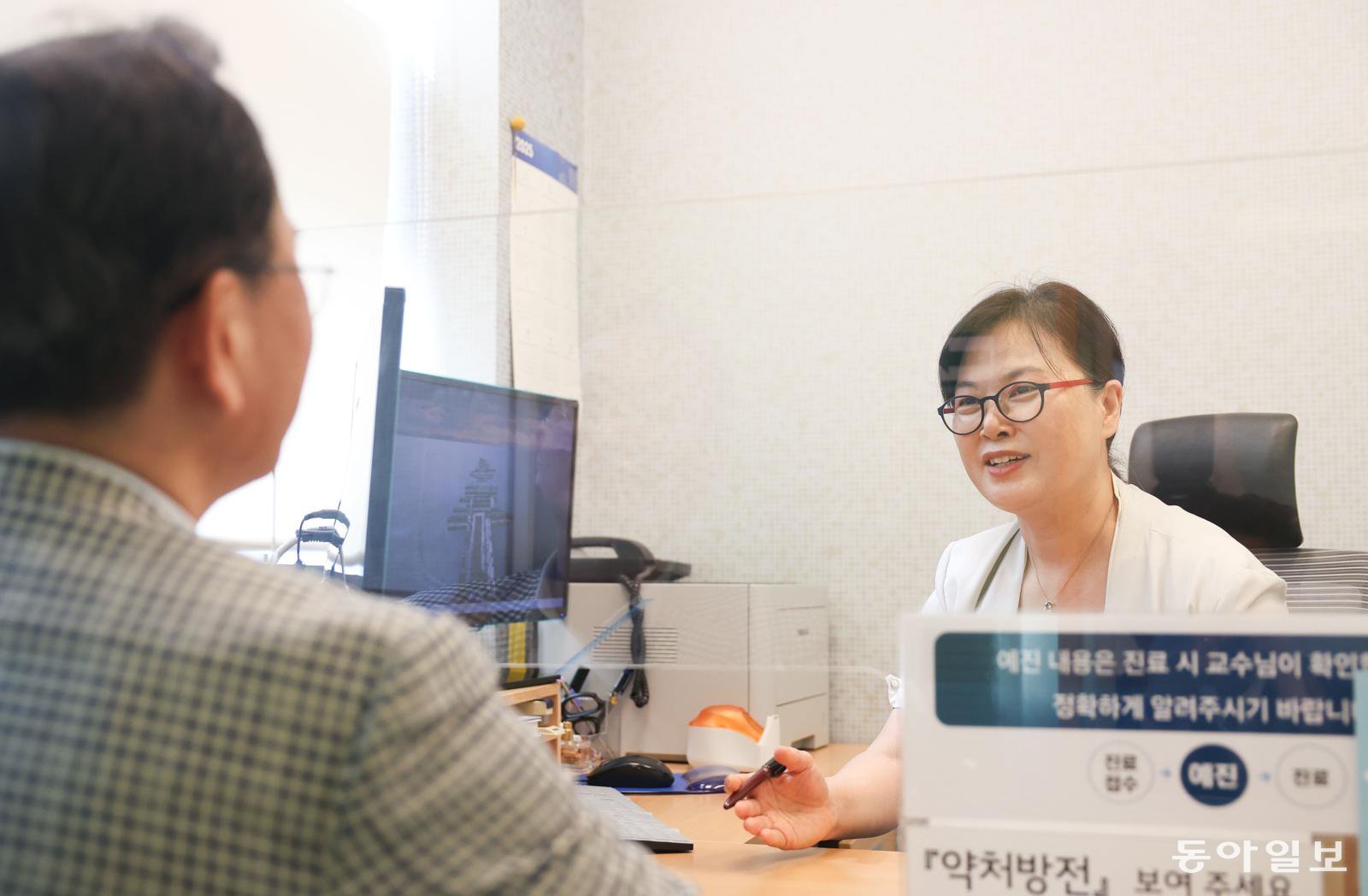
Samsung Medical Center has officially launched a specialized care model, the Comprehensive Cancer Care for Seniors (CCCS), specifically designed to address the unique medical and physiological needs of elderly oncology patients. This initiative focuses on providing integrated, multidisciplinary support to improve treatment outcomes and quality of life for a demographic that often faces complex health challenges alongside a cancer diagnosis.
As the global population ages, the intersection of geriatric medicine and oncology has become a critical focal point for healthcare providers. According to the Samsung Medical Center, the introduction of the CCCS model reflects a shift toward personalized, patient-centric pathways that account for comorbidities, physical frailty, and the specific vulnerabilities inherent in treating older adults with cancer.
Understanding the CCCS Model for Geriatric Oncology
The Comprehensive Cancer Care for Seniors (CCCS) model is built upon a multidisciplinary framework that brings together specialists from various fields, including geriatricians, oncologists, pharmacists, and nutritionists. By evaluating a patient’s overall health status rather than focusing solely on the tumor, the program aims to minimize the adverse effects of aggressive treatments while maintaining therapeutic efficacy.

This approach addresses several key domains of geriatric health, such as cognitive function, nutritional status, and polypharmacy management. By integrating these assessments into the oncology care plan, the hospital aims to reduce the risk of complications, such as falls, delirium, or treatment-related fatigue, which are common concerns among elderly patients undergoing chemotherapy or radiation therapy.
Why Integrated Care Matters for Older Patients
Treating cancer in elderly patients often requires a delicate balance between aggressive intervention and the preservation of daily functional capacity. Traditional oncology protocols, while effective for younger, more resilient patients, may pose significant risks to those with lower physical reserves. The CCCS model seeks to mitigate these risks through proactive monitoring and individualized care adjustments.
According to clinical guidelines recognized by the American Society of Clinical Oncology (ASCO), geriatric assessment is a recommended tool for identifying patients who may be at risk for treatment-related toxicity. By adopting a structured model like the CCCS, healthcare institutions can better identify which patients require supportive interventions or dose modifications, ensuring that treatment plans remain safe and effective for the individual.
The Future of Geriatric Cancer Treatment
The implementation of the CCCS model at Samsung Medical Center is part of a broader trend in medical innovation aimed at addressing the complexities of an aging society. As medical technology advances, the focus is increasingly turning toward how these innovations can be applied safely and effectively across all age groups.
Moving forward, the success of such programs will likely be measured by patient-reported outcomes, reductions in hospital readmission rates, and the ability of patients to maintain their independence during and after treatment. The hospital plans to continue monitoring the effectiveness of the CCCS model through ongoing clinical data collection and patient feedback loops, which will inform future adjustments to the care pathway.
For patients and families seeking more information on geriatric oncology services, updates are typically provided through the official Samsung Medical Center website. The facility remains committed to refining these protocols as new research in geriatric oncology emerges.
We welcome your thoughts on how healthcare systems should adapt to the needs of elderly patients. Please share your experiences or questions in the comments section below to continue this important discussion on the future of integrated cancer care.
Keep reading