
In the modern financial landscape, the correlation between personal credit health and borrowing power is more than just a theoretical concept—it is a tangible driver of economic mobility. For many consumers, the journey from a solid credit score to an excellent one represents a gateway to more favorable lending terms and increased financial flexibility. As financial institutions continue to refine their risk assessment models, understanding the tangible benefits of credit score optimization has become an essential component of personal financial management.
The transition from a credit score of 750 to 800 is often regarded as a significant milestone by credit bureaus and lenders alike. While both scores typically fall within the “extremely good” to “exceptional” ranges, moving into the 800-plus tier can provide borrowers with access to the most competitive interest rates available in the marketplace. By proactively managing debt-to-income ratios and ensuring consistent payment histories, individuals are finding that these incremental gains in creditworthiness directly translate to reduced long-term borrowing costs and expanded access to credit products.
The Mechanics of Credit Improvement and Lending Access
Recent industry data underscores that improvements in credit profiles have a profound impact on a consumer’s ability to secure financing. When a borrower successfully transitions to a higher credit tier, the immediate result is often an increase in loan approval rates. According to the Consumer Financial Protection Bureau (CFPB), credit scores serve as a primary metric for lenders to gauge the likelihood of repayment, and even minor shifts in these scores can alter the underwriting outcome for personal loans, mortgages, and automotive financing.
the elevation of a credit score frequently leads to an expansion of revolving credit limits. Financial institutions utilize automated underwriting systems that periodically review account holder data. When a score rises, these systems may trigger automatic increases in credit card limits, providing consumers with greater liquidity. This phenomenon is supported by broader economic trends where lenders, seeking to capture high-quality borrowers, adjust credit availability in response to improved risk profiles, as outlined in reports by the Federal Reserve regarding consumer credit trends.
Why Credit Optimization Matters for Long-Term Wealth
Achieving a higher credit score is not merely about obtaining more credit. it is a strategic approach to lowering the cost of capital. Interest rates are inextricably linked to credit tiers. For instance, a borrower with an 800 score may qualify for an interest rate significantly lower than a borrower with a 750 score on a long-term loan, such as a 30-year fixed-rate mortgage. Over the life of a loan, this difference can result in thousands of dollars in interest savings, effectively increasing the borrower’s disposable income.
Beyond the cost of borrowing, a superior credit score acts as a financial buffer. In periods of economic uncertainty, individuals with high credit scores are often better positioned to negotiate terms, secure emergency lines of credit, or qualify for premium financial products that offer additional protections and rewards. The focus on maintaining an “exceptional” score is, a fundamental pillar of sound financial planning.
Practical Steps to Sustained Credit Health
For those looking to move their credit standing to the next level, the path forward involves consistent, disciplined financial behavior. Key practices include:
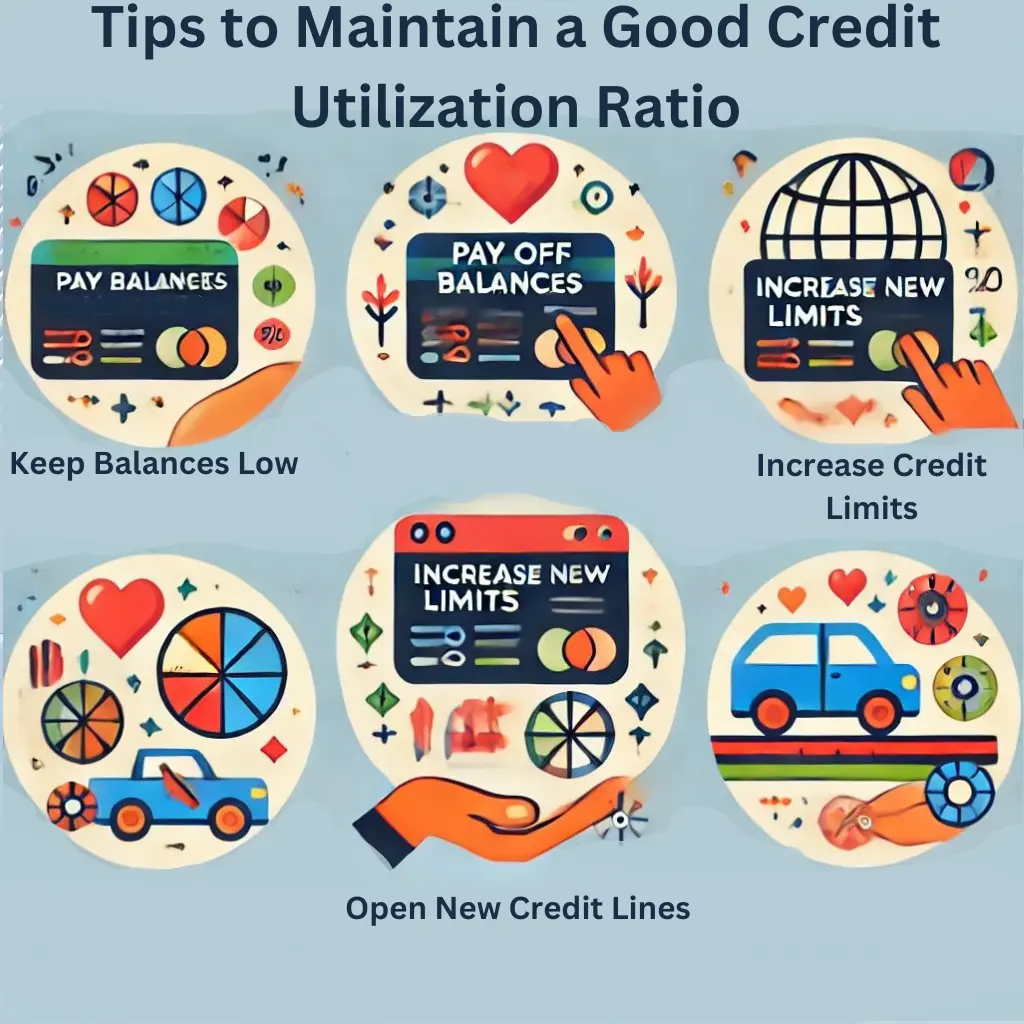
- Maintaining Low Credit Utilization: Keeping balances well below the available credit limit is one of the most effective ways to influence credit scoring models.
- Consistent Payment History: Ensuring that all bills are paid on or before the due date remains the single most significant factor in credit scoring.
- Diverse Credit Mix: Managing a variety of credit types—such as installment loans and revolving credit—can demonstrate responsible financial management over time.
- Monitoring Credit Reports: Regularly checking reports for errors or signs of identity theft ensures that the data used by lenders is accurate and reflects the borrower’s true history.
Consumers can obtain free, official copies of their credit reports annually through the centralized service established by the three major credit bureaus at AnnualCreditReport.com. This resource is authorized by federal law and provides a secure way to track progress toward financial goals without impacting one’s credit score.
Future Outlook and Financial Literacy
As the financial services industry continues to integrate advanced analytics and alternative data into credit scoring, the importance of financial literacy cannot be overstated. Consumers who understand how their daily financial decisions impact their long-term credit viability are better equipped to navigate the complexities of global credit markets. While the journey from a 750 to an 800 score requires patience and diligence, the tangible rewards—manifested in lower interest rates, higher limits, and greater financial autonomy—are well worth the effort.
The next major update regarding national consumer credit standards and regulatory adjustments is expected in the upcoming quarterly report from the Office of the Comptroller of the Currency (OCC). Readers are encouraged to stay informed by monitoring official disclosures from financial regulatory bodies.
What has been your experience with credit score management? Have you noticed a significant change in your borrowing terms after reaching a new credit milestone? We invite you to share your insights and engage with our community in the comments section below.