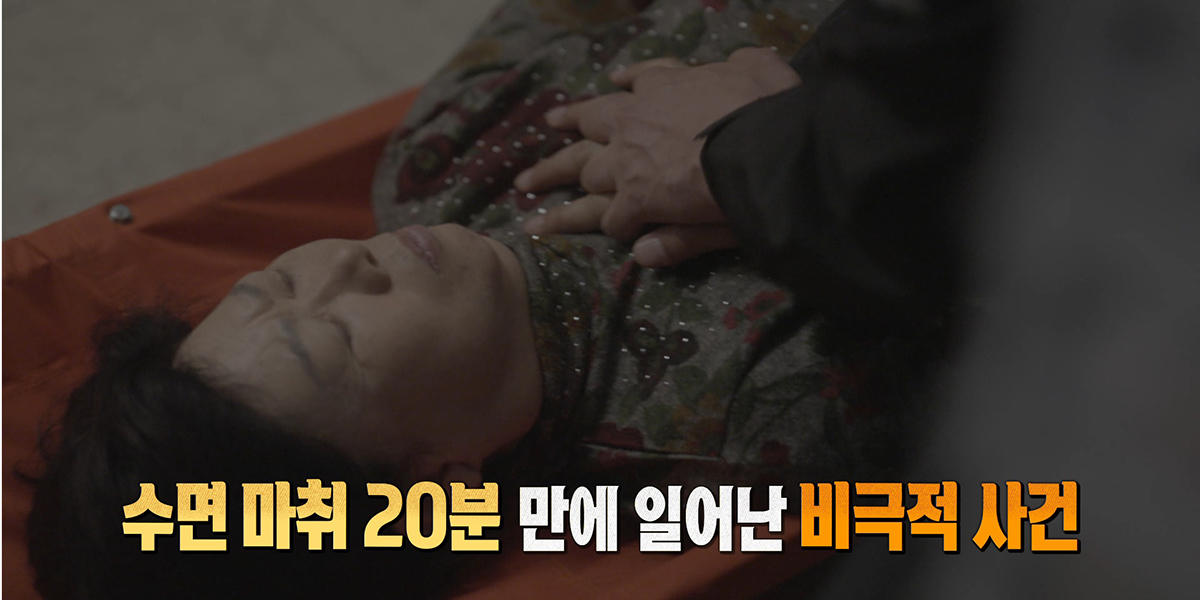
The pursuit of a perfect smile has led many to explore dental implant options, but a growing concern surrounds a practice marketed as “sleep implants.” Recent reports, including an investigation by South Korean broadcaster MBC’s “Real Investigation Team,” highlight the potential dangers associated with these procedures, where patients are often lured by promises of painless, affordable tooth replacement. The investigation, broadcast on March 12, 2026, revealed a case where a woman’s mother tragically died during a “sleep implant” procedure at a clinic advertising low costs, raising serious questions about safety protocols and the true nature of the sedation used.
The appeal of “sleep implants” lies in their promise of a comfortable, anxiety-free experience, particularly for older patients. However, the term itself is misleading. According to the Korean Dental Association, “sleep treatment” and “sleep implants” are not recognized medical terms. The procedure commonly referred to as a “sleep implant” is actually “conscious sedation,” or 의식하 진정법 (uishikhajinjeongbeop) in Korean, involving the intravenous administration of drugs. While intended to relax patients, this method carries inherent risks, as it’s not true sleep and can lead to complications if not carefully monitored. The potential for adverse reactions, including cardiac arrest as tragically demonstrated in the recent case, underscores the need for greater oversight and transparency in these procedures.
The Risks of Conscious Sedation in Dental Implants
Conscious sedation, while a common practice in many medical procedures, requires specialized training and equipment to manage potential complications. The MBC investigation revealed that some clinics, particularly those aggressively marketing low-cost implant packages, may be cutting corners on safety protocols. The investigation team visited clinics in the Gangnam district of Seoul, known as an “implant mecca,” to assess the practices being employed. The core issue isn’t the implant procedure itself, but the administration of the sedative drugs and the lack of adequate monitoring and emergency preparedness.
The drugs used for conscious sedation, typically benzodiazepines and opioids, can suppress breathing and lower blood pressure. Without continuous monitoring of vital signs and immediate access to resuscitation equipment, even minor complications can quickly escalate into life-threatening emergencies. The case highlighted by “Real Investigation Team” serves as a stark reminder of these risks. The woman’s mother experienced cardiac arrest just 20 minutes after receiving anesthesia, and despite efforts to revive her, she ultimately succumbed to the event. A review of the mother’s medical records revealed the procedure was marketed as a “sleep implant,” a term that obscured the true nature of the sedation being administered.
The Korean Society of Anesthesiologists emphasizes that conscious sedation should only be performed by qualified professionals in a setting equipped to handle potential emergencies. The Korea Times reported in 2023 that concerns about unqualified personnel performing sedation were already rising, even before the recent tragic incident. The lack of standardized regulations and enforcement allows unscrupulous clinics to operate with minimal oversight, putting patients at risk.
Beyond the Immediate Risks: A Father’s Desperate Fight
The MBC broadcast as well featured a separate, deeply moving story highlighting the challenges faced by a single father, 64-year-old Jeon Gyeong-cheol, in Seoul. Jeon has dedicated his life to caring for his 27-year-old son, who has severe autism and requires constant support. His son’s developmental age is equivalent to that of a two-year-old, and he is unable to perform basic daily tasks without assistance. Jeon lovingly nicknamed his son “Peter Pan,” reflecting the heartbreaking reality of his son’s perpetual childhood.
In April of the previous year, Jeon received a devastating diagnosis of stage IV liver cancer, with a prognosis of only six months. Against all odds, he has now surpassed that timeline, enduring intense pain and relying on palliative care to sustain him. His sole motivation for continuing to fight for his life is to secure long-term care for his son after he is gone. Finding a suitable facility that can accommodate his son’s complex needs has proven incredibly difficult, particularly given his previous challenging behaviors at other facilities.
The story underscores the immense strain on caregivers of individuals with severe disabilities and the critical need for accessible and affordable long-term care options. The lack of adequate support systems often leaves families in desperate situations, particularly when faced with a medical crisis. Jeon’s unwavering dedication to his son is a testament to the power of parental love, but it also highlights the systemic failures that leave vulnerable individuals and their families struggling to navigate a complex and often unforgiving system.
The Need for Increased Regulation and Patient Awareness
The cases presented in “Real Investigation Team” underscore the urgent need for stricter regulation of dental implant procedures involving conscious sedation. The Korean Dental Association should work with the Ministry of Health and Welfare to establish clear guidelines for the administration of sedation, including mandatory training and certification for practitioners, standardized monitoring protocols, and requirements for emergency preparedness.
increased public awareness is crucial. Patients considering dental implants, particularly those opting for sedation, should be fully informed about the risks and benefits of the procedure, as well as the qualifications of the practitioners involved. They should also be wary of clinics advertising unrealistically low prices, as these often come at the expense of safety and quality. It’s essential to verify the clinic’s credentials, inquire about their emergency protocols, and seek a second opinion before proceeding with any treatment.
The term “sleep implant” itself should be banned, as it is a misleading and potentially dangerous misrepresentation of the procedure. Clinics should be required to use accurate medical terminology, such as “conscious sedation,” and provide patients with a clear explanation of what the procedure entails. Transparency and informed consent are paramount to protecting patient safety.
Key Takeaways
- “Sleep implants” are often a misnomer for conscious sedation, a procedure involving intravenous drugs that carries inherent risks.
- The lack of standardized regulations and oversight allows some clinics to compromise patient safety in pursuit of profit.
- Patients considering dental implants with sedation should thoroughly research their options, verify practitioner credentials, and be fully informed about the risks.
- The story of Jeon Gyeong-cheol highlights the critical need for accessible and affordable long-term care for individuals with severe disabilities.
The MBC “Real Investigation Team” report serves as a critical wake-up call for both patients and regulators. The pursuit of a brighter smile should never come at the cost of a patient’s life. Further investigation and stricter enforcement of safety standards are essential to ensure that dental implant procedures are performed responsibly and ethically. The Ministry of Health and Welfare is expected to address these concerns in a scheduled meeting with the Korean Dental Association on March 26, 2026, to discuss potential regulatory changes. Readers are encouraged to share their experiences and concerns regarding dental implant procedures in the comments below.
Worth a look