
Deciding whether to use a specific moisturizer like Round Lab’s Birch Juice Moisturizing Cream on acne-prone skin requires an understanding of both the product’s formulation and the underlying physiology of inflammatory skin conditions. For individuals managing acne, the primary concern is whether a product is non-comedogenic—meaning it is formulated to avoid clogging pores—and whether it provides hydration without disrupting the skin barrier.
According to the American Academy of Dermatology (AAD), acne-prone skin still requires consistent moisturization, even if the skin produces excess oil. When the skin is dehydrated, it may compensate by producing more sebum, which can exacerbate acne symptoms. Choosing a product with a lightweight, water-based texture is generally recommended for those struggling with breakouts, as these formulations are less likely to occlude hair follicles compared to heavy, oil-based creams.
Understanding Ingredients in Acne-Friendly Moisturizers
When evaluating a moisturizer for acne, dermatologists look for specific markers of safety. The National Center for Biotechnology Information (NCBI) notes that acne-prone individuals should prioritize products labeled as “oil-free” or “non-comedogenic.” These designations indicate that the product has been tested to ensure its ingredients do not promote the formation of comedones, the precursor to both blackheads and whiteheads.
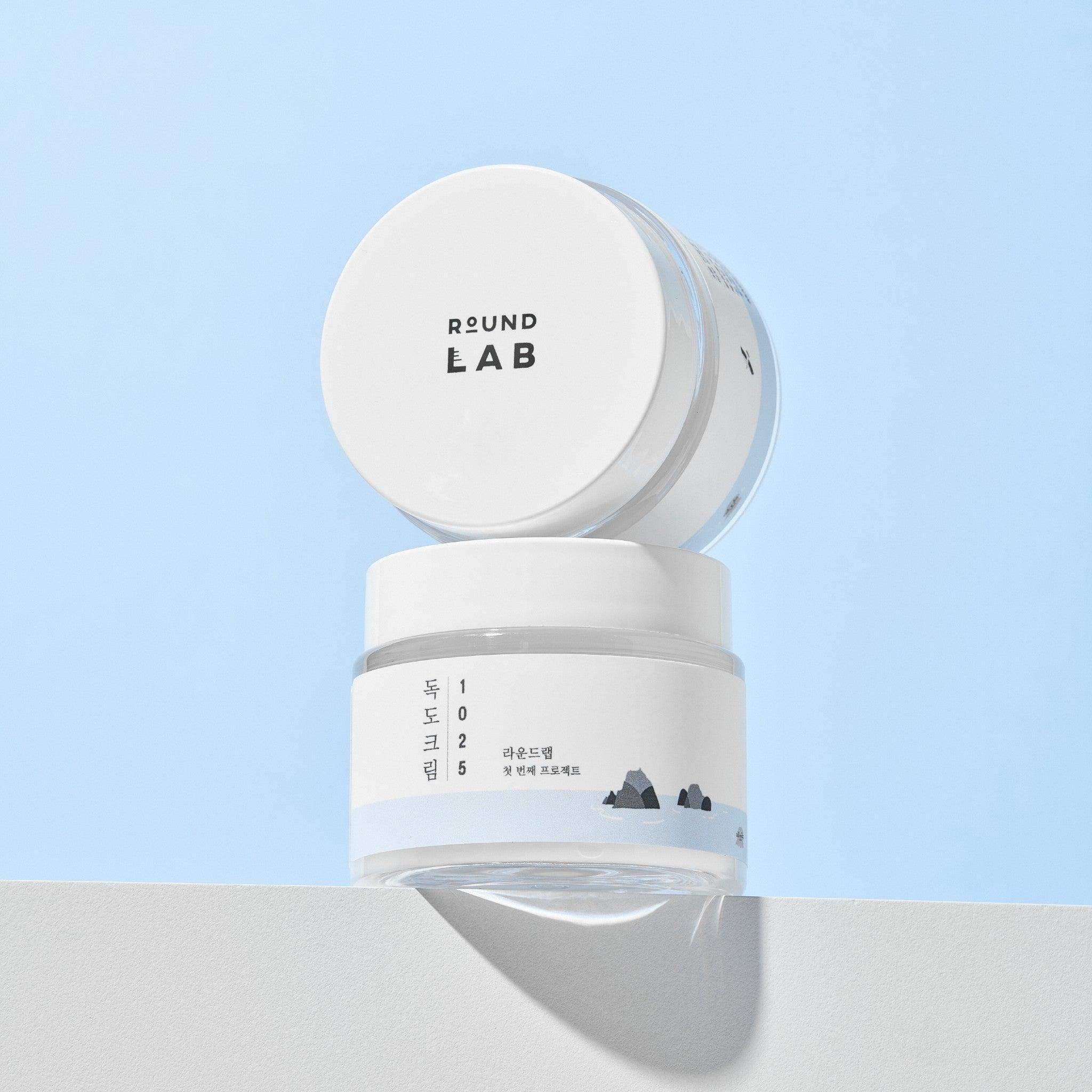
Round Lab’s Birch Juice line is marketed primarily for its hydrating properties, utilizing Betula Platyphylla Japonica Juice (birch sap) as a core ingredient. Birch sap is traditionally recognized for its mineral content, including amino acids and antioxidants. From a clinical perspective, the efficacy of a moisturizer for acne depends less on a single “hero” ingredient and more on the absence of pore-clogging agents like isopropyl myristate, certain fatty acids, or heavy waxes.
For patients with sensitive or inflamed skin, the Mayo Clinic emphasizes that fragrance and preservatives can occasionally trigger irritation, which may aggravate existing acne lesions. It is standard practice to perform a patch test on a small area of the jawline or behind the ear for 24 to 48 hours before applying a new product to the entire face to monitor for adverse reactions.
Establishing a Consistent Skincare Routine
Acne management is rarely about a single product; it is about the synergy of the entire routine. A balanced regimen usually includes a gentle cleanser, a targeted treatment (such as salicylic acid or benzoyl peroxide), and a moisturizer to protect the skin barrier. The AAD advises that over-cleansing or aggressive scrubbing can damage the stratum corneum, the outermost layer of the skin, leading to increased inflammation.
If you are currently undergoing medical treatment for acne—such as using topical retinoids or oral isotretinoin—your skin’s requirements for moisture will likely increase. These treatments often cause significant dryness and peeling. In such cases, a lightweight, hydrating cream can be a necessary tool to maintain skin integrity, provided it does not contribute to new breakouts. If you notice an increase in papules or pustules after introducing a new cream, it is advisable to discontinue use and consult a board-certified dermatologist.
Expert Guidance on Selecting Skin Products
The global market for dermatological skincare is vast, and product efficacy can vary significantly based on an individual’s unique skin microbiome. According to guidelines from the European Academy of Dermatology and Venereology (EADV), patients should focus on the “less is more” approach. Simplifying a routine to essentials—cleansing, moisturizing, and sun protection—often yields better long-term results than layering multiple active ingredients that may interfere with one another.

When in doubt, check the ingredient list against known comedogenic ratings, though these ratings are not standardized across all clinical studies. If you are experiencing persistent, painful, or scarring acne, over-the-counter moisturizers should be viewed as supportive care rather than a primary treatment. Clinical interventions remain the gold standard for managing moderate to severe acne.
For those seeking personalized advice, the next step is to monitor your skin’s reaction over a two-week period. If your acne persists, schedule an appointment with a dermatologist to review your current product list and discuss prescription-strength therapies. We welcome your experiences and questions regarding skin care routines in the comments section below.
Keep reading