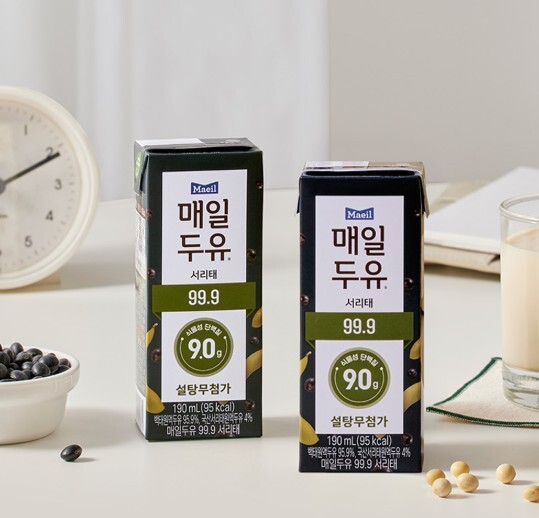
In the aisles of modern supermarkets, the battle for consumer attention has moved from the back of the package to the very front. As global health consciousness rises, food manufacturers are increasingly leveraging aggressive labeling—highlighting “100%,” “low sugar,” and “zero sugar” claims—to capture the loyalty of a health-oriented demographic. This shift in packaging strategy is not merely a marketing trend. it is a calculated response to a fundamental change in how shoppers evaluate their grocery baskets.
For the modern consumer, the “ingredient list” has become the new primary document for decision-making. Whether one is navigating the complexities of nutritional labeling or managing specific dietary health concerns, the demand for transparency is at an all-time high. As an economist, I observe this as a clear signal of shifting market power: the consumer is no longer a passive recipient of branding but an active auditor of corporate claims.
The Strategic Pivot Toward Nutritional Transparency
The aggressive use of front-of-package (FOP) labeling, such as “no added sugar” or “100% natural,” serves as a shorthand for trust. According to the U.S. Food and Drug Administration (FDA) guidelines on food labeling, these claims are subject to strict regulatory oversight to ensure they do not mislead the public. However, the proliferation of these labels suggests that companies are moving beyond basic regulatory compliance to meet the specific demands of a “wellness-first” economy.

This trend is particularly visible during the summer months, when demand for functional beverages and light meal alternatives peaks. Manufacturers are recalibrating their portfolios to emphasize raw ingredient content, effectively using the package as a billboard for nutritional value. This is a direct response to data indicating that consumers are increasingly wary of ultra-processed foods and are actively seeking products with shorter, more recognizable ingredient lists.
The Economics of “Clean Labeling”
Why are companies investing so heavily in these front-facing claims? The answer lies in the concept of “information asymmetry.” Historically, the food industry relied on branding to build value. Today, value is built through evidence. When a manufacturer places a “zero sugar” claim prominently, they are attempting to reduce the “search cost” for the consumer—the time and effort required to flip a package over and analyze the fine print.

Financial performance in the food sector is increasingly tied to this “clean label” movement. Companies that successfully pivot their supply chains to prioritize high-quality, recognizable ingredients often see improved brand equity and stronger pricing power. The World Economic Forum’s insights on the future of food systems emphasize that sustainable and transparent sourcing is becoming a requirement for long-term viability, rather than a niche competitive advantage.
Key Takeaways for the Discerning Consumer
- Verify, Don’t Just Glance: Front-of-package claims like “100%” often refer to a specific ingredient, not the entire product. Always verify the full Nutrition Facts panel.
- Understand “Zero Sugar”: Products labeled “zero sugar” may still contain sugar alcohols or artificial sweeteners, which affect the body differently than refined sugar.
- The Power of the Ingredient List: The ingredient list is ordered by weight; the first three ingredients typically make up the majority of the product.
Regulatory Landscape and Consumer Protection
While industry competition drives innovation in labeling, regulators remain the final arbiters of truth. In the United Kingdom and across the European Union, the European Food Safety Authority (EFSA) enforces rigorous standards regarding nutrition and health claims. These regulations ensure that if a product claims to be “low sugar,” it must meet specific, standardized thresholds that cannot be bypassed by clever marketing.
The tension between marketing innovation and regulatory compliance is where the most significant developments in the food industry occur. As we look toward the next cycle of global food safety updates, it is expected that international regulatory bodies will continue to tighten the definitions surrounding “natural” and “healthy” claims to prevent consumer confusion. For the industry, So that the era of loose labeling is ending, replaced by a period of rigorous, evidence-based communication.
What Happens Next?
The industry is currently bracing for more stringent disclosure requirements. As of the most recent updates from international trade organizations, the focus is shifting from simple “low sugar” claims to full-scale environmental and nutritional transparency, often referred to as “ESG for food.”
We expect the next major update regarding global food labeling standards to arrive in late 2024, as discussions regarding international trade harmonization continue under the Codex Alimentarius, the joint FAO/WHO food standards program. For consumers, the message is clear: stay informed, read the back of the label, and do not be swayed by bold claims on the front. The most reliable information remains the standardized, legally mandated nutrition facts table.
As always, I welcome your thoughts on how these labeling trends affect your own shopping habits. Are you finding it easier to shop for healthy options, or does the marketing noise make the experience more confusing? Let’s continue this conversation in the comments below.
Worth a look