
Yeongyang County, a region in South Korea renowned for its pristine natural environment and status as an International Dark Sky Park, has confirmed plans to host the 2026 Firefly Experience Youth Camp. This initiative aims to provide educational opportunities for young people to engage with local ecosystems while highlighting the county’s ongoing commitment to ecological preservation, according to announcements from local administrative bodies.
The program is part of a broader strategy by the Yeongyang County government to leverage its unique environmental assets—specifically the firefly habitats that thrive in its dark, unpolluted nocturnal landscape—for public education and sustainable tourism. By focusing on youth engagement, the project seeks to foster a new generation of environmental stewards who understand the importance of preserving biodiversity, as reported by regional news outlets tracking local development projects.
Understanding Yeongyang’s Ecological Significance
Yeongyang County, located in the North Gyeongsang Province, gained international recognition when it was designated as an International Dark Sky Park by the International Dark-Sky Association. This certification is awarded to land possessing an exceptional or distinguished quality of starry nights and nocturnal environment that is specifically protected for its scientific, natural, and educational value. The presence of fireflies, which are highly sensitive to light pollution, serves as a primary indicator of the region’s environmental health.
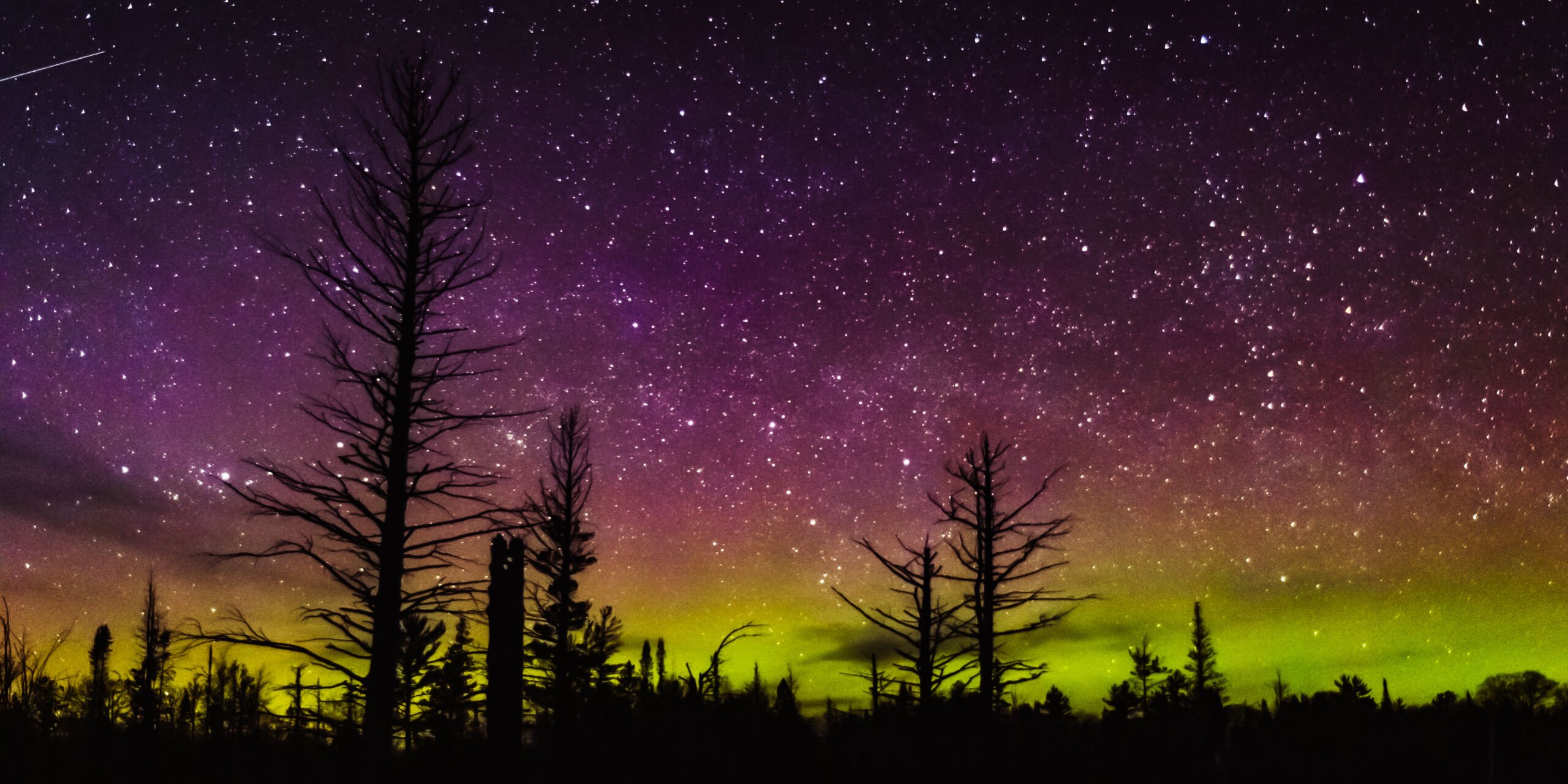
The 2026 Firefly Experience Youth Camp is designed to capitalize on this ecological status. Officials have indicated that the camp will include guided night observations, habitat tours, and workshops led by environmental experts. By creating structured interaction between youth participants and the natural habitat, the county hopes to underscore the direct link between light pollution control and the survival of native insect species, including the firefly populations that characterize the Yeongyang Firefly Eco Park.
Educational Objectives and Community Impact
The core objective of the youth initiative is to move beyond superficial tourism and provide an immersive learning experience. Participants will be involved in hands-on activities that demonstrate how local government policies protect firefly breeding grounds. These programs are often supported by the Ministry of Environment of the Republic of Korea, which promotes national environmental education initiatives aimed at increasing public awareness regarding climate change and biodiversity loss.
For the local community, the camp represents a strategic investment in the county’s identity. By hosting youth from across the country, Yeongyang is positioning itself as a hub for ecological research and sustainable youth development. Local planners emphasize that the success of these programs depends on maintaining the dark sky standards, which requires ongoing cooperation between the county administration, residents, and visitors to minimize artificial light at night.
What Happens Next: Preparing for 2026
While the event is scheduled for 2026, preparatory phases are already underway. The county is expected to release specific application criteria, age requirements, and curriculum details as the date approaches. Interested parties and educators are encouraged to monitor the official Yeongyang County government website for upcoming announcements, procurement notices for program operators, and registration timelines.

As the county continues to refine its environmental programs, stakeholders anticipate that the 2026 camp will serve as a template for future youth-centered ecological initiatives. The integration of technology—such as digital star-mapping and biological monitoring apps—may also be introduced to modernize the firefly observation experience for younger participants. Further updates regarding the facility upgrades and instructor recruitment for the 2026 season are expected to be provided in subsequent administrative briefings.
We will continue to track the development of this program as further details are finalized. If you have questions about regional environmental initiatives or wish to share your thoughts on the importance of dark sky preservation, please join the conversation in the comments section below.