
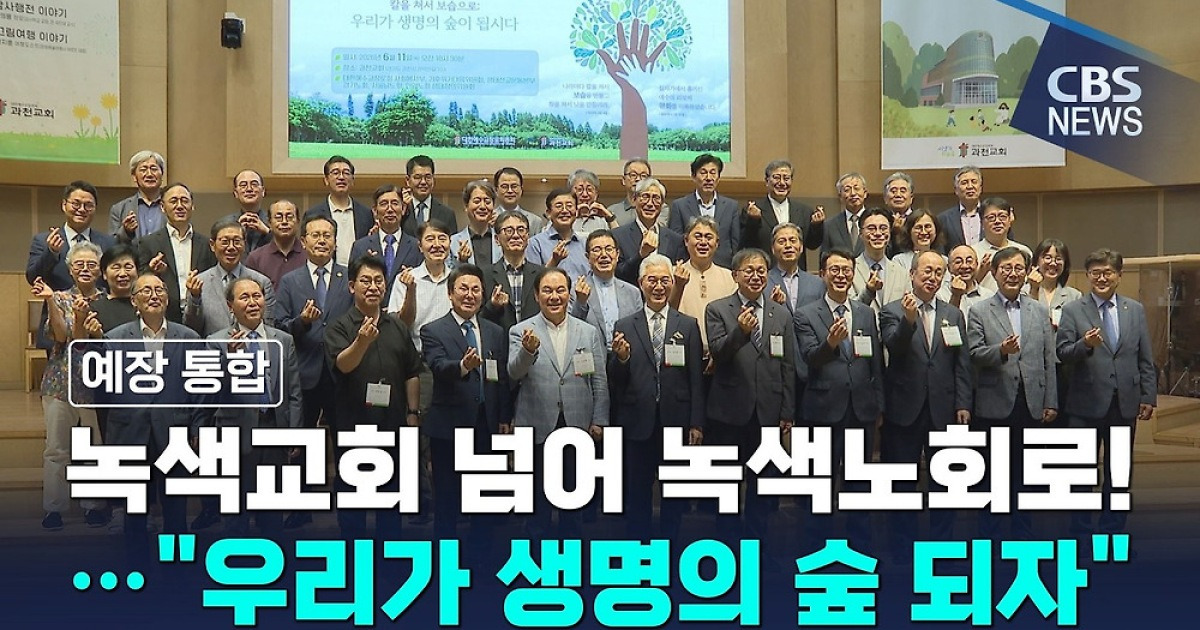
The Presbyterian Church of Korea (PCK-Tonghap), one of South Korea’s largest Protestant denominations, is shifting its ecological strategy from individual “Green Churches” to a systemic “Green Presbytery” model. This transition reflects a growing theological movement within the denomination to treat climate change as a core matter of faith rather than a peripheral social concern, aiming to integrate environmental stewardship into the administrative and spiritual life of regional church governing bodies.
The initiative, which emphasizes the concept of “becoming a forest of life,” encourages regional presbyteries—the administrative units overseeing local congregations—to adopt sustainable practices, reduce carbon footprints, and advocate for ecological justice. According to the Presbyterian Church of Korea (PCK), this structural pivot is intended to move beyond isolated environmental campaigns toward a collective, denomination-wide mandate that aligns with global efforts to mitigate the climate crisis.
The Evolution of Ecological Theology in Korean Presbyterianism
For years, the “Green Church” movement has operated largely through individual parishes that implement localized sustainability programs, such as organic farming, waste reduction, and energy conservation. However, church leaders argue that the scale of the current climate crisis requires a broader, institutional response. By elevating the movement to the level of the presbytery, the church aims to influence the policies and operational standards of hundreds of congregations simultaneously.

Theologically, this shift is rooted in the doctrine of creation care. Many within the PCK-Tonghap argue that the biblical mandate to steward the Earth is an essential component of the Christian mission. As reported by the Christianity Daily, the denomination has increasingly emphasized that protecting the environment is inseparable from the work of salvation and the preservation of life, framing the climate crisis as a spiritual emergency that demands a coordinated, organized response from the church hierarchy.
Administrative Reforms and “Green Presbyteries”
The “Green Presbytery” model functions by setting ecological benchmarks for regional governance. This includes mandates for energy-efficient church infrastructure, the elimination of single-use plastics in church activities, and the promotion of ecological education among clergy and lay members. By formalizing these goals at the presbytery level, the PCK-Tonghap creates a framework for accountability that individual churches may lack when acting alone.
This organizational change is supported by the World Council of Churches (WCC), which has long advocated for churches to lead in environmental advocacy. The PCK-Tonghap’s move aligns with global ecclesiastical trends toward “eco-theology,” where denominations assess their institutional carbon footprint and leverage their collective influence to advocate for national environmental policies. The focus on “becoming a forest of life” serves as both a metaphor for unity and a practical goal for reforestation and green space development on church-owned lands.
Addressing the Climate Crisis as a Faith Mandate
The shift is not merely administrative; it represents a fundamental change in how the church communicates its purpose in the 21st century. By framing environmental preservation as a “faith responsibility,” the PCK-Tonghap is attempting to reach younger demographics who increasingly prioritize environmental ethics in their religious life. The integration of climate action into the core curriculum of theological training for pastors is a key component of this long-term strategy.
Despite the momentum, the transition faces challenges, particularly in reconciling traditional church growth models with the requirements of sustainable living. Critics within the broader religious landscape sometimes point to the difficulty of maintaining large-scale industrial-era church facilities while simultaneously pursuing net-zero emissions. The PCK-Tonghap’s approach to these challenges is documented through its ongoing synod reports, which track the progress of regional bodies in meeting their ecological targets, as detailed on the official PCK portal.
Future Steps for the Green Movement
The denomination’s next major checkpoint for this initiative will be the upcoming annual General Assembly, where regional presbyteries are expected to present status reports on their transition to “Green Presbytery” status. These reports will serve as a baseline for determining the success of the current programs and identifying areas where additional resources or policy adjustments are required to meet 2030 sustainability targets.

The PCK-Tonghap continues to encourage member churches to engage in public discourse regarding climate policy. By participating in interfaith environmental coalitions, the church aims to amplify its voice in the national debate over South Korea’s energy transition and carbon neutrality goals. Readers interested in the specific guidelines for local congregations can find resources and updates on the official website of the Presbyterian Church of Korea. We welcome your thoughts on how religious institutions can effectively influence environmental policy; please share your comments below.