
For residents of Seoul and the surrounding metropolitan areas, the arrival of early summer has recently been marked by an unexpected and overwhelming guest: the “lovebug.” While the name suggests something romantic, the reality for thousands of commuters and homeowners is a swarm of insects that cling to windshields, coat building facades, and hover in dense clouds around pedestrians.
The surge of these insects, scientifically known as Plecia longiforceps, has sparked a mixture of panic and disgust across South Korea’s capital. However, entomologists and city officials are working to shift the public narrative from one of “invasion” to one of ecological balance. Despite their unsettling appearance and tendency to congregate in massive numbers, these insects are not the pests the public fears they are.
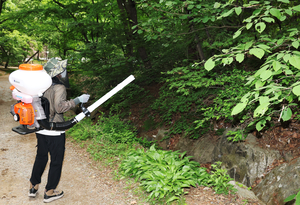
As local governments implement preventative measures to curb the discomfort caused by these swarms, the situation has highlighted a growing tension in urban planning: the struggle to maintain sterile city environments in the face of shifting climatic patterns and the resilience of beneficial insects. The current effort to “block” the insects before they arrive in full force represents a delicate dance between public sanitation and environmental preservation.
Understanding the Lovebug: Plecia longiforceps
The “lovebug” in South Korea is a species of march fly. They earn their colloquial name from their mating habits. the insects are frequently seen flying in pairs, remaining attached for extended periods. This behavior is a biological necessity for the species, ensuring successful reproduction before their short adult lives come to an end.
Unlike mosquitoes or ticks, lovebugs in South Korea are completely harmless to humans and pets. They do not possess stingers, they do not bite, and they do not transmit any known diseases. From a medical perspective, they are benign. Their primary “weapon” is simply their sheer volume, which creates a psychological sense of infestation and a physical nuisance as they gravitate toward bright colors and the heat emitted by car engines.
Beyond the nuisance, these insects play a critical role in the ecosystem. The larvae of Plecia longiforceps live in the soil, where they act as decomposers. They feed on decaying organic matter, such as fallen leaves and rotting vegetation, effectively recycling nutrients back into the earth. In this capacity, they are essentially nature’s cleanup crew, contributing to soil health and supporting the growth of urban greenery.
The “Tinkerbell” Phenomenon
Alongside the lovebug, Korean residents have reported sightings of what are colloquially termed “Tinkerbell” bugs. These are typically smaller, shimmering insects—often midges or species of Psychodidae—that appear in similar seasonal waves. While less intrusive than the larger lovebugs, their tendency to swarm around light sources at night adds to the feeling of an insect takeover in densely populated districts.
The simultaneous appearance of lovebugs and these smaller shimmering insects is often linked to specific weather triggers. A combination of high humidity, mild winter temperatures that allow more larvae to survive, and a sudden spike in early summer heat creates the perfect storm for mass emergence. When these conditions align, millions of insects transition from their larval stage to adulthood almost simultaneously, leading to the dramatic swarms seen in neighborhoods like Eunpyeong-gu and Seocho-gu in Seoul.
Urban Management and the Strategy of “Preventative Blocking”
The Seoul Metropolitan Government and various district offices have faced increasing pressure from citizens to “eradicate” the insects. However, a blanket approach of heavy chemical spraying is increasingly viewed as counterproductive. Indiscriminate use of potent insecticides not only fails to eliminate the lovebugs—which emerge from the soil in waves—but also kills essential pollinators like honeybees and butterflies.
Instead, city officials are pivoting toward “preventative blocking” and targeted management. This strategy focuses on reducing the attractiveness of urban areas to the insects and managing the populations using less harmful methods. According to guidelines from the Seoul Metropolitan Government, the focus has shifted toward using water-based sprays and biological controls that minimize the impact on the broader ecosystem.
Key components of the current urban management strategy include:
- Water-based Mist Systems: Using high-pressure water sprays to physically knock insects off building walls and away from entrances, reducing the need for chemical toxins.
- Light Management: Encouraging the use of yellow-toned LED streetlights, as lovebugs and other nocturnal insects are less attracted to longer wavelengths of light.
- Public Education: Launching campaigns to inform citizens that the insects are beneficial and harmless, thereby reducing the demand for aggressive chemical interventions.
- Drainage Maintenance: Improving urban drainage to reduce the stagnant, organic-rich soil environments where larvae thrive.
The Ecological Cost of Eradication
The urge to completely remove lovebugs from the urban landscape reflects a common human reaction to “nuisance” species. However, entomologists warn that the cost of total eradication would be far higher than the inconvenience of a few weeks of swarming. Because lovebugs are decomposers, removing them from the environment could lead to a slower breakdown of organic matter in urban parks and green belts.
the mass emergence of lovebugs provides a seasonal feast for birds and other insectivores. A sudden crash in the lovebug population could disrupt the food chain for local avian populations during a critical period of their own breeding cycles. This interconnectedness is why environmental agencies are urging residents to tolerate the insects for the short duration of their mating season.
| Feature | Lovebugs (Plecia longiforceps) | Mosquitoes/Ticks |
|---|---|---|
| Disease Transmission | None | High (Malaria, Dengue, Lyme) |
| Human Interaction | Non-biting/Non-stinging | Biting/Blood-feeding |
| Ecological Role | Beneficial Decomposer | Primarily Parasitic/Nuisance |
| Life Span (Adult) | Very Short (Days) | Variable (Weeks) |
| Primary Attraction | Heat, Light, Bright Colors | CO2, Body Heat, Lactic Acid |
Practical Advice for Residents
While the government manages the macro-level response, individuals are often left wondering how to keep their homes and cars free of these clinging insects. Since lovebugs are attracted to heat and certain colors, a few simple adjustments can significantly reduce the number of insects entering a living space.
Protecting Your Vehicle
One of the most common complaints is the “splatter” effect on car windshields. When lovebugs collide with a moving vehicle, their bodies leave a residue that can be acidic and, if left too long, can damage the paint or cloud the glass.

To manage this, experts recommend:
- Frequent Rinsing: Using a garden hose or a car wash shortly after a drive to remove insects before they dry and harden.
- Waxing: Applying a fresh coat of wax to the vehicle’s surface, which makes it harder for the insects to adhere and easier to wash them off.
- Avoid Bright Colors: If possible, avoid parking bright white or yellow cars in areas with high insect activity, as these colors are more attractive to the species.
Managing Home Interiors
To keep lovebugs out of the house, residents are encouraged to focus on exclusion and deterrence rather than poison.
Effective methods include:
- Screen Maintenance: Ensuring that window screens are intact and tightly sealed.
- Lighting Adjustments: Switching outdoor white lights to yellow “bug lights” to reduce the attraction of swarms to doorways.
- Vacuuming: For insects that have already entered the home, using a vacuum cleaner is the most efficient and chemical-free way to remove them without staining walls or furniture.
- Water Sprays: A simple spray bottle with water can be used to deter insects from landing on clothing or skin.
What Happens Next?
The lovebug phenomenon is a temporary one. Once the mating cycle is complete and the females have laid their eggs in the moist soil, the adult population will collapse naturally within a matter of weeks. The current focus for Seoul’s administrative districts is to ensure that this cycle passes with minimal public distress and zero ecological damage.
Looking forward, the recurring nature of these outbreaks suggests that urban centers may need to adapt to “seasonal insect surges” as a new normal. Climate change is altering the timing and intensity of insect emergences globally, and the lovebug’s arrival in Seoul is a microcosm of this broader trend. The ability of a city to coexist with beneficial but “ugly” insects will be a litmus test for its commitment to urban biodiversity.
The next confirmed checkpoint for the city’s pest management will be the end-of-season review conducted by municipal environmental departments, where the effectiveness of water-based controls will be compared against previous years’ chemical interventions. This data will likely shape the “preventative blocking” strategies for the 2027 season.
Do you have experience dealing with lovebug swarms in your city? Share your tips for chemical-free pest management in the comments below or share this article to help others understand these misunderstood insects.