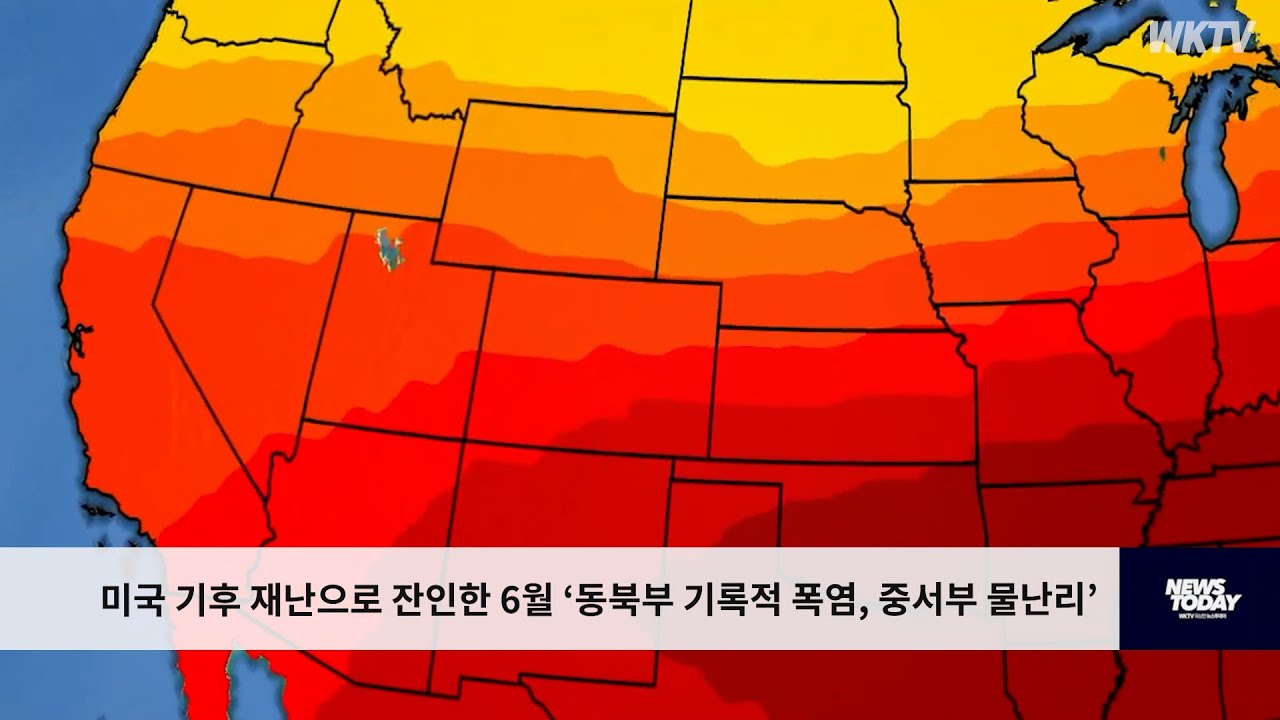
Extreme heatwaves are once again gripping large portions of Europe and the United States, forcing authorities to issue urgent health warnings and leading major tourist destinations to implement emergency operational adjustments. As record-breaking temperatures persist, governments are increasingly restricting access to historical sites and public facilities to protect residents and visitors from heat-related illnesses.
In Europe, the situation remains critical as meteorological agencies report prolonged periods of intense heat. According to the Météo-France, significant portions of the country have been placed under high-level heat alerts, with authorities deploying emergency protocols to manage the strain on public infrastructure. These heatwaves, often characterized by stagnant high-pressure systems, are pushing temperatures well above seasonal averages, complicating daily life for millions across the continent.
Impact on European Tourism and Heritage Sites
The intensity of the current heat has forced administrators of world-renowned landmarks to alter their standard operations. In Greece, the Ministry of Culture has frequently implemented temporary closures of the Acropolis and other archaeological sites during peak afternoon hours to prevent heatstroke among tourists and staff, as detailed by the Hellenic Ministry of Culture. These decisions are guided by real-time temperature monitoring, ensuring that visitors are not exposed to excessive solar radiation during the hottest parts of the day.
Similar measures are being observed across Southern Europe, where local municipalities are extending the cooling hours of public parks and libraries. In Italy, the Ministry of Health continues to publish daily heat bulletins, advising the elderly and vulnerable populations to remain indoors, particularly during the 11:00 a.m. to 6:00 p.m. window, a practice reinforced by Italy’s Ministry of Health. The economic impact on the tourism sector is significant, as businesses must balance the necessity of public safety with the operational requirements of the peak summer travel season.
US Heatwaves and Emergency Response
Across the Atlantic, the United States is experiencing a parallel trend of persistent, record-setting heat. The National Weather Service (NWS) has issued widespread excessive heat warnings covering regions from the Southwest to the Midwest. These advisories are based on heat index values that consider both temperature and humidity, which can push the “feels-like” temperature to dangerous levels, often exceeding 110°F (43°C) in many urban centers.
Local government agencies in affected US cities have established “cooling centers”—public spaces equipped with air conditioning—to provide relief for individuals without access to climate-controlled environments. According to the Centers for Disease Control and Prevention (CDC), heat-related deaths remain a primary concern during these events, with medical professionals emphasizing the importance of hydration and limiting physical exertion. The frequency of these heat events has prompted municipal leaders to reassess urban planning, focusing on increasing green canopy cover and implementing “cool roof” initiatives to mitigate the urban heat island effect.
Public Health and Safety Guidelines
Health authorities worldwide are consistent in their guidance for managing extreme heat. The World Health Organization (WHO) recommends that during periods of extreme temperature, individuals should prioritize the following actions:
- Stay Hydrated: Increase water intake regardless of activity level, avoiding sugary or alcoholic beverages.
- Limit Outdoor Activity: Schedule tasks for the early morning or late evening when solar intensity is reduced.
- Monitor Vulnerable Groups: Check on neighbors, family members, and friends, particularly those who live alone or have pre-existing health conditions.
- Utilize Cooling Spaces: Seek air-conditioned public buildings if home temperatures become unmanageable.
For those traveling to regions currently under heat advisories, it is essential to monitor official channels. Local government websites and meteorological apps provide the most accurate, real-time information regarding site closures and public safety alerts. As the summer season progresses, international health and climate organizations continue to monitor these trends to provide updated guidance for public safety.
The next major update regarding heat-related mortality statistics and climate impact assessments is expected from the Copernicus Climate Change Service, which regularly publishes verified data on global temperature anomalies. We invite our readers to share their experiences or local updates in the comments section below to help keep our community informed.
Worth a look