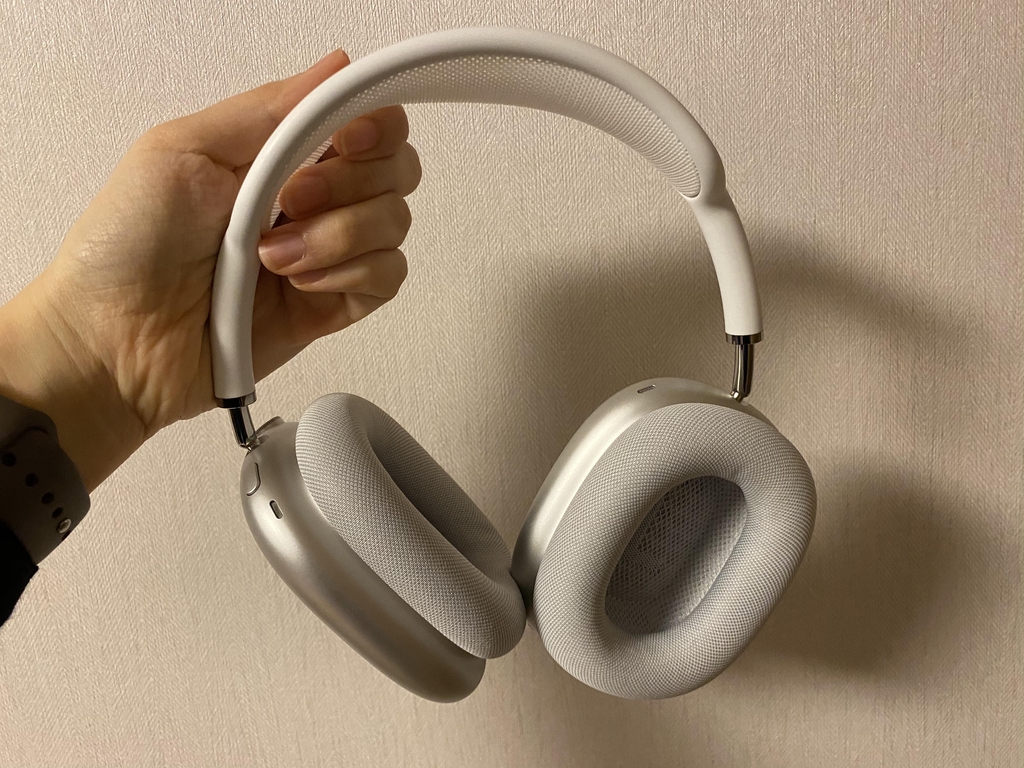
Apple AirPods Max owners are facing a growing dilemma as the company continues to withhold replacement headbands for the premium headphones. While Apple provides official ear cushions for purchase, the mesh headband—a frequent point of wear—is not available as a standalone replacement part, forcing users toward third-party alternatives or costly repairs.
Since its initial release in December 2020, the AirPods Max has occupied a high-end niche in the consumer audio market. However, as the hardware enters its fifth year of availability, a recurring pattern of user dissatisfaction has emerged regarding the long-term maintenance of the device. The primary contention involves the headband, a critical structural and comfort component that lacks a direct, official replacement pathway from Apple.
This gap in accessory availability creates a significant hurdle for users experiencing wear, staining, or structural degradation of the mesh material. While the company has streamlined the process for replacing ear cushions, the headband remains an “all-or-nothing” component in the eyes of most consumers, complicating the product’s lifecycle and raising questions about its overall repairability.
The disparity between ear cushion and headband availability
The core of the frustration lies in a perceived inconsistency in Apple’s support ecosystem. For users who find their ear cushions losing shape or accumulating oils, the solution is straightforward. Apple officially offers replacement ear cushions through its official support channels, allowing for relatively inexpensive and easy maintenance.

In contrast, the headband—a complex piece of knit mesh designed to distribute weight across the head—is not listed as an individual purchase option. Because the headband is integrated into the frame of the headphones, users who wish to refresh the look or feel of their device cannot simply buy the part. This leaves owners with three limited options: attempting to clean the mesh, purchasing unverified third-party covers, or seeking a full device replacement or professional repair through Apple, which often comes at a premium cost.
Tech enthusiasts and long-term users on community forums, including Reddit and MacRumors, have frequently noted that the headband is subject to different types of wear than the cushions. While cushions are designed to be soft and easily swapped, the headband is a structural element that, once soiled or stretched, significantly impacts the premium experience Apple promises at its $549 starting price point.
Design complexities and the repairability challenge
The lack of a standalone headband may stem from the technical design of the AirPods Max. Unlike many traditional over-ear headphones that use a modular headband system, the AirPods Max utilizes a highly integrated architecture. The mesh headband is engineered to work in tandem with the stainless steel frame to provide the specific tension and weight distribution characteristic of the model.

From a manufacturing perspective, providing a standalone headband might require Apple to certify the tension and durability of parts sold separately to ensure they do not damage the internal electronics or compromise the fit. However, this technical hurdle does not fully address the growing consumer demand for modularity in high-end electronics.
This issue intersects with the broader “Right to Repair” movement, which has gained significant momentum globally. Advocates argue that companies should provide the same level of part availability to consumers that they provide to authorized repair centers. While Apple has made strides in this area through its Self Service Repair program, that program has largely focused on smartphones and laptops, leaving many audio accessories in a state of limited repairability.
Impact on product longevity and sustainability
The inability to replace a single component like a headband has implications for the environmental footprint of the AirPods Max. When a component like the mesh headband reaches the end of its aesthetic or functional life, the lack of a cheap, official fix may lead users to abandon the device entirely or opt for a newer model.
This cycle contributes to electronic waste, a growing concern for both regulators and environmentally conscious consumers. As global standards for product longevity and reparability become more stringent—particularly in the European Union—the way companies manage accessory availability will likely face increased scrutiny.
For the consumer, the impact is both financial and experiential. A user who has maintained their headphones carefully for three years may find the device’s value diminished not by a failure of the drivers or the battery, but by the simple degradation of a fabric component. This creates a disconnect between the “premium” branding of the product and the reality of its long-term ownership costs.
The rise of the third-party aftermarket
As a direct response to Apple’s lack of official parts, a robust third-party market has emerged. Platforms such as Amazon and Etsy now host various “headband covers” and replacement mesh kits. These products generally fall into two categories: protective sleeves that slip over the existing headband, and more invasive replacement kits that require some level of disassembly.
While these third-party solutions offer a lower price point, they come with inherent risks. Consumers must navigate concerns regarding fit, material quality, and the potential for voiding warranties if the disassembly process is mishandled. For many users, the choice becomes a trade-off between the convenience of an official (but unavailable) part and the uncertainty of an aftermarket alternative.
Comparison of AirPods Max Component Replacement
| Component | Official Apple Replacement | Primary User Difficulty | Typical Solution |
|---|---|---|---|
| Ear Cushions | Yes | Low (Easy to swap) | Purchase via Apple Support |
| Headband | No | High (Integrated design) | Third-party covers or full repair |
| Lightning/USB-C Cable | Yes | Minimal | Standard retail purchase |
| Battery | No (Service only) | High (Requires professional service) | AppleCare+ or Out-of-warranty service |
The table above illustrates the uneven landscape of AirPods Max maintenance. The ease of replacing cushions versus the difficulty of addressing headband wear highlights the specific friction point currently driving consumer complaints.
As Apple continues to refine its hardware lineup, industry analysts will be watching to see if the company addresses these modularity concerns in future iterations of its audio products. Whether through the introduction of more modular components or an expansion of its official parts catalog, the resolution of this issue will be a key indicator of Apple’s commitment to product longevity and consumer satisfaction.
There are currently no official announcements from Apple regarding the release of standalone headband replacements for the AirPods Max. Users are encouraged to monitor Apple Support updates for any changes to the official parts list.
What do you think about Apple’s approach to headphone repairability? Would you prefer to buy individual parts or rely on professional service? Let us know in the comments below and share this article with your fellow tech enthusiasts.
Worth a look