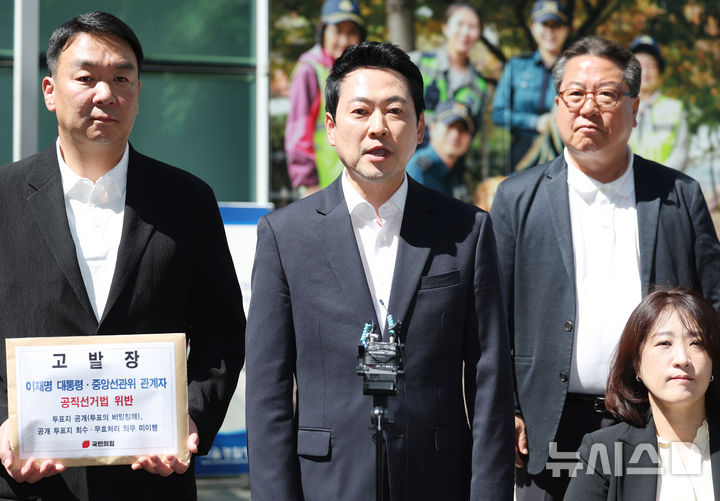
As South Korea approaches a pivotal electoral juncture, political discourse has intensified, with senior officials and party representatives engaging in sharp debates over the future of the nation’s governance. With the local elections scheduled for early June, the rhetoric surrounding the concept of “regime judgment”—a term often used to frame electoral outcomes as a referendum on the incumbent administration—has taken center stage in the national conversation.
Jang Dong-hyuk, a prominent figure within the ruling People Power Party (PPP), has been at the forefront of this messaging. In recent public appearances, Jang has emphasized the urgency of the upcoming vote, framing the decision before the electorate not merely as a choice between local candidates, but as a fundamental determination of the country’s democratic trajectory. According to the National Election Commission of South Korea, maintaining the integrity of the electoral process and adherence to the Public Official Election Act remain the primary legal frameworks governing these campaigns.
The Rhetoric of “Regime Judgment”
The term “regime judgment” (정권심판론) has become a recurring theme in the current campaign cycle. Supporters of the ruling party argue that a victory for the opposition Democratic Party would result in legislative gridlock or policies that they claim would undermine the executive branch’s ability to manage national affairs. Conversely, opposition figures maintain that the election serves as a necessary check on power.
Jang’s recent commentary has specifically targeted the opposition’s leadership, raising concerns regarding ongoing legal proceedings involving Democratic Party leader Lee Jae-myung. The legal challenges facing Lee, particularly regarding allegations of violations of the Public Official Election Act, have been a focal point of the ruling party’s critique. Under South Korean law, the Supreme Court of Korea maintains jurisdiction over appeals concerning election law violations, which can carry significant consequences for political candidates, including the potential loss of parliamentary seats or disqualification from future office if convictions are upheld.
Legal Challenges and Electoral Integrity
The intersection of judicial proceedings and electoral politics remains a sensitive area in South Korean governance. For the public, understanding the distinction between political rhetoric and the formal legal process is essential. The Public Official Election Act is designed to ensure fair competition, and any allegation of a breach—such as the dissemination of false information or campaign finance irregularities—is subject to rigorous investigation by the prosecution and subsequent review by the judiciary.

As the clock ticks down to the election, both major parties are intensifying their efforts to mobilize their respective bases. The discourse is characterized by a high degree of polarization, reflecting broader societal trends. Analysts often point to the high level of voter engagement in South Korea as a testament to the country’s vibrant, albeit competitive, democracy. However, the intensity of the current messaging underscores the high stakes perceived by both sides.
What Voters Should Know
For citizens preparing to head to the polls, the focus remains on the candidates’ platforms and the implications of the election for local and national policy. The National Election Commission provides comprehensive resources for voters, including candidate profiles, policy comparisons, and guidelines on how to report suspected election law violations. These resources are critical for ensuring that the electorate remains informed and that the democratic process is protected from misinformation.
The final days of the campaign are typically marked by a flurry of activity, including televised debates and final rallies. As the candidates make their last pitch to the public, the rhetoric of “regime judgment” is expected to remain a dominant theme. Whether this strategy will resonate with the broader public or whether voters will prioritize local issues remains to be seen when the results are announced.
Key Considerations for the Final Stretch
- Legal Oversight: All claims regarding election law violations remain subject to the ongoing rulings of the South Korean court system.
- Voter Participation: The National Election Commission encourages all eligible citizens to verify their registration status well in advance of election day.
- Policy Focus: Beyond national rhetoric, local elections directly impact administrative decisions regarding regional development, public services, and local budgets.
As the nation moves toward the final vote, the focus will inevitably shift from the campaign trail to the polling stations. The outcome will not only determine the leadership of local governments but will also set the tone for the remainder of the current administration’s term. We will continue to monitor the official reports from the election authorities and provide updates as the final tally becomes available. We invite our readers to share their thoughts on the current political climate in the comments section below.
Keep reading