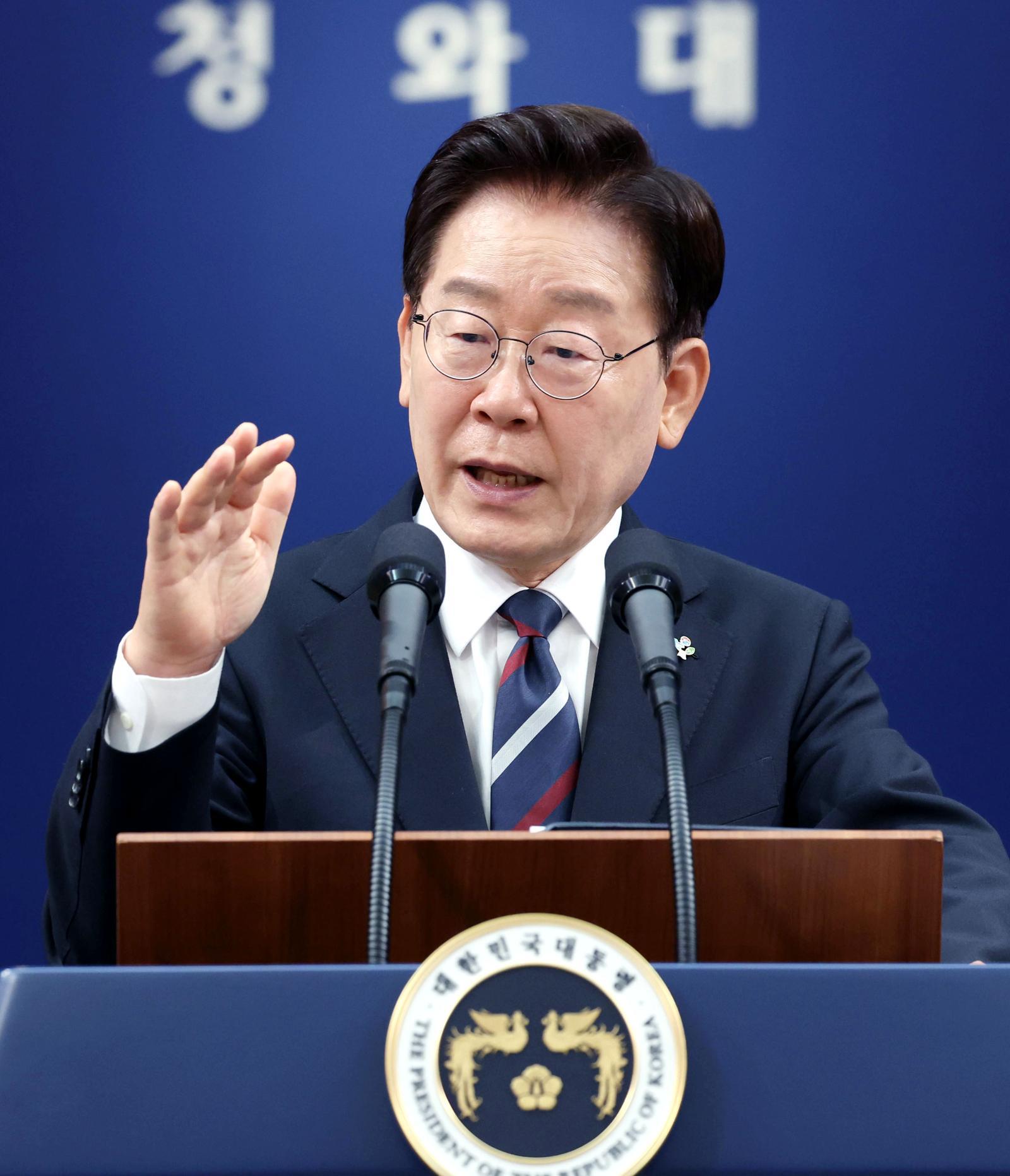
South Korean policymakers are initiating a series of comprehensive public discussions to address systemic challenges in the nation’s housing market, focusing on seven core issues including property holding taxes, mortgage regulations, and housing supply strategies. These public forums aim to build a broader consensus on real estate policy, which has remained a sensitive political and economic issue for households across the country.
The current move by the administration to shift toward a "public debate" model for housing policy reflects an effort to reconcile the competing interests of property owners, prospective homebuyers, and financial institutions in an era of high interest rates and fluctuating market valuations.
Core Pillars of the Housing Policy Discussion
The upcoming discussions are expected to center on a framework of seven primary issues that currently define the South Korean real estate landscape. According to government briefings and policy outlines, these include the restructuring of property holding taxes, the recalibration of loan-to-value (LTV) and debt-service-coverage ratios (DSCR), and the acceleration of urban housing supply projects. The objective is to stabilize the market while preventing the kind of speculative activity that historically contributed to rapid price volatility.
Recent data from the Ministry of Land, Infrastructure and Transport highlights that supply-side constraints remain a significant hurdle in major urban centers. By bringing these issues to a public forum, officials intend to evaluate whether existing regulatory frameworks are effectively balancing the need for credit control with the necessity of ensuring liquidity for first-time homebuyers.
Balancing Taxation and Market Liquidity
One of the most contentious topics involves the adjustment of the Comprehensive Real Estate Holding Tax. Critics of the current system have long argued that the tax burden on multi-home owners has inadvertently increased rental costs for tenants, as landlords look to pass on the tax expense. Conversely, proponents of the current tax structure maintain that it is a necessary tool to curb real estate speculation and maintain housing affordability for low-income populations.

Financial analysts note that any shift in tax policy will likely be paired with changes to lending regulations. The Bank of Korea has frequently signaled that household debt remains a primary risk factor for the national economy. Consequently, any relaxation of mortgage rules is expected to be highly targeted, focusing on specific demographics such as young families or those entering the market for the first time, rather than a broad-based stimulus that could reignite debt-fueled price surges.
The Impact of Supply-Side Interventions
Beyond fiscal and monetary levers, the government is revisiting its long-term supply pipeline. The debate includes potential revisions to zoning laws and the streamlining of redevelopment approvals, which have historically been bogged down by bureaucratic delays. The goal is to provide a predictable roadmap for developers, which officials hope will reduce the uncertainty currently suppressing new construction starts.

Public discourse on these topics is not merely academic. For the average citizen, these policies dictate the cost of living and the accessibility of wealth-building through homeownership. The government’s decision to open these discussions to the public suggests an acknowledgment that top-down mandates have, in the past, faced significant resistance and implementation challenges. By soliciting input from industry experts, urban planners, and civic organizations, the administration aims to create a more resilient and equitable housing ecosystem.
Next Steps in the Policy Review Process
The administration has scheduled subsequent working-group meetings following the initial public forums to synthesize feedback and draft formal policy recommendations. These findings are expected to inform the legislative agenda for the upcoming fiscal quarter. Stakeholders and investors are advised to monitor the official government portal for updates on the specific timing of these public sessions and instructions on how to submit formal comments.
.jpg/440px-Ministry_of_Internal_Affairs_(Moscow).jpg "Next Steps in the Policy Review Process")
As these discussions unfold, the primary challenge remains the delicate balance between market efficiency and social equity. We encourage our readers to share their perspectives on these policy shifts in the comments section below.