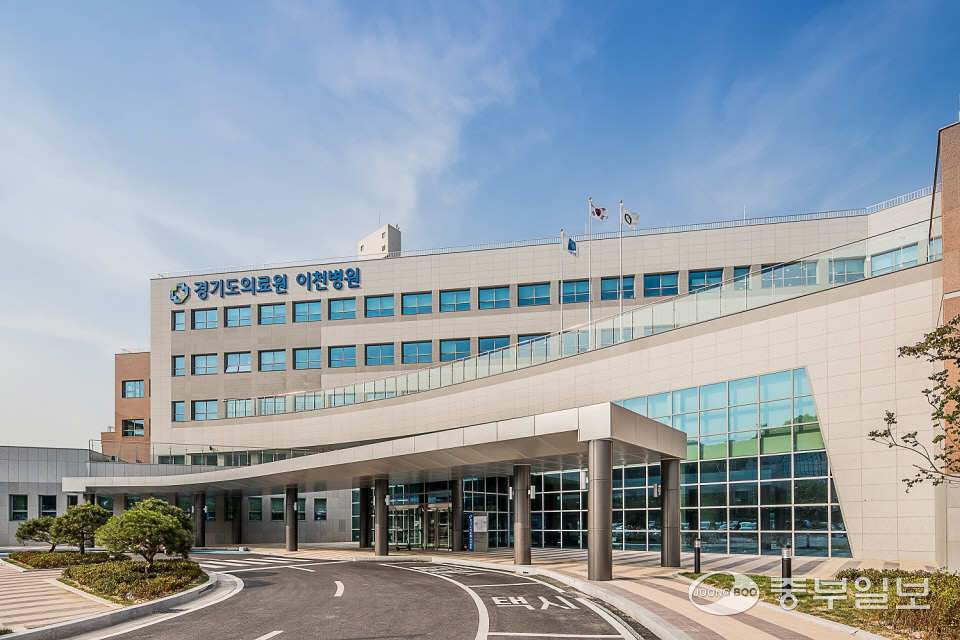
The site visit focused on identifying structural improvements needed to establish a “Gyeonggi-style” safety net for essential medical services, ensuring that residents have reliable access to emergency and primary care regardless of geographic location.
As the provincial government transitions into its next term, the committee is prioritizing the stabilization of public hospitals, which serve as the backbone for regional health equity.
Addressing Regional Health Disparities
The core objective of the committee’s outreach is the development of a comprehensive, Gyeonggi-specific essential healthcare system. Public health data indicates that regional medical centers in South Korea often struggle with a high turnover of medical professionals and the financial burden of maintaining 24-hour emergency care for rural or semi-urban populations. According to the Gyeonggi Provincial Government, the province has been actively seeking ways to bridge the gap between urban medical infrastructure and the needs of its outer-lying districts.

The visit to the Icheon facility serves as a benchmark for how local governance can support the Ministry of Health and Welfare’s broader national health goals while tailoring solutions to the unique demographic profile of Gyeonggi. By focusing on essential services—defined as emergency, critical care, and infectious disease management—the committee is working to ensure that the provincial medical centers can function as a reliable safety net during public health crises.
Operational Challenges and Policy Integration
During the site inspection, discussions centered on the sustainability of the “Public Healthcare Safety Net” model. Staffing remains a primary concern; attracting specialized physicians to provincial centers often requires competitive incentives and improved working conditions compared to private facilities in Seoul or larger metropolitan centers. The committee is tasked with reviewing the current budget allocations and administrative support structures that dictate how these hospitals operate under the provincial health authority.
Furthermore, the integration of digital health records and efficient referral systems between local hospitals and larger tertiary centers was highlighted as a priority for the next administration. By streamlining these processes, the committee hopes to reduce the time-to-treatment for patients in emergencies, a key performance indicator for provincial medical facilities. The provincial government’s commitment to these initiatives is part of a broader strategy to enhance the quality of life for residents by mitigating the “medical desert” effect in underserved areas.
Next Steps for the Transition Committee
Following the site visit, the committee is expected to compile a report detailing the specific needs of the Icheon facility and broader recommendations for the provincial medical network. This report will likely influence the policy agenda for the upcoming term, focusing on legislative and budgetary support for public health initiatives. The committee will continue its series of field inspections across various departments to ensure that the transition plan for the new administration is grounded in the operational realities of provincial institutions.
The committee’s findings are scheduled to be integrated into the final policy roadmap for the incoming administration, with public hearings and expert consultations expected to follow in the coming months. Residents and stakeholders interested in the status of regional healthcare improvements can monitor official updates via the Gyeonggi Provincial Office website for upcoming announcements regarding public health policy changes. We invite readers to share their thoughts on the development of regional healthcare systems in the comments section below.
Worth a look