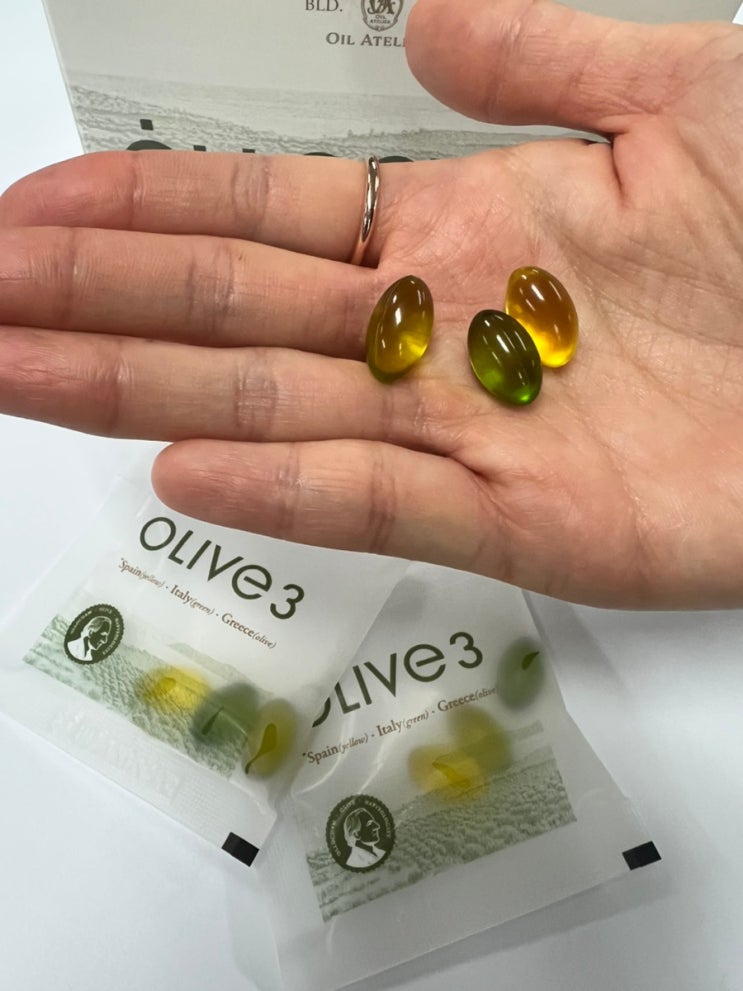
A recent investigation by the Korea Consumer Agency (KCA) has revealed that while individual-portion olive oil products—such as capsules and sticks—offer convenience, they show little difference in core quality despite significant variations in retail price. The study found that some products are sold at prices up to six times higher than others, even when basic quality markers remain comparable across the market.
Consumers are advised to exercise caution when purchasing these products online, as the study identified discrepancies between the acidity levels labeled on e-commerce platforms and the actual measured values. As the popularity of single-use kitchen items grows, understanding these labeling inconsistencies is essential for shoppers seeking value for money.
Market Analysis: Price vs. Quality
The KCA examined various olive oil products currently circulating in the Korean market, focusing on the popular capsule and stick formats designed for ease of use. According to the agency’s findings, the price disparity among these products is substantial. When analyzing the cost per unit, researchers observed that premium-marketed items can cost up to six times more than standard alternatives, yet these price hikes do not consistently correlate with superior chemical quality or nutritional profiles.
For consumers, this means that paying a higher price does not necessarily guarantee a higher grade of olive oil. The agency noted that the primary differentiator for many of these products is the packaging technology rather than the oil itself. Because the manufacturing of single-portion containers involves specialized sealing processes, companies often pass these production costs onto the consumer, which explains the wide range of retail price points observed in online marketplaces.
Labeling Inconsistencies and Acidity Standards
A critical point of concern raised by the KCA involves the “acidity” of olive oil, a key indicator of freshness and quality. In the production of extra virgin olive oil, lower acidity is generally preferred as it indicates better processing and higher-quality olives. However, the agency’s testing revealed that many online product listings do not accurately reflect the actual chemical composition of the oil inside the capsules or sticks.
The KCA reported that a significant number of products displayed acidity values on their online store pages that differed from the results of independent laboratory tests. This mismatch can mislead consumers who rely on these figures to determine the quality grade of the oil. The agency has emphasized that online retailers must ensure their product descriptions align with verified laboratory data to prevent consumer deception.
Consumer Guidance for Smart Purchasing
To navigate the current market, the KCA recommends that consumers take extra steps before completing a purchase. Relying solely on marketing claims or high price points as a proxy for quality is discouraged. Instead, shoppers should look for official certifications, such as the Protected Designation of Origin (PDO) or Protected Geographical Indication (PGI), if available, rather than focusing exclusively on the convenience of the packaging format.

Furthermore, the agency suggests that consumers should check whether the product displays a clear “best before” date and storage instructions, as the physical nature of capsule and stick packaging can sometimes obscure the oil’s exposure to light and heat during shipping. Proper storage remains the most important factor in maintaining the quality of olive oil once it arrives at the consumer’s home.
Next Steps for Retailers and Regulators
Following the release of these findings, the KCA has indicated that it will work with relevant industry stakeholders to improve the accuracy of product information provided on e-commerce platforms. The agency is expected to monitor online listings for continued compliance with labeling standards. While no immediate mass recalls were issued, the investigation serves as a formal notification to manufacturers and distributors that transparency in product labeling is a regulatory priority.
Consumers who have concerns regarding specific products may check the Korea Consumer Agency’s official website for further updates on food safety investigations and product testing reports. We encourage readers to share their own experiences with these convenient packaging formats in the comments section below.