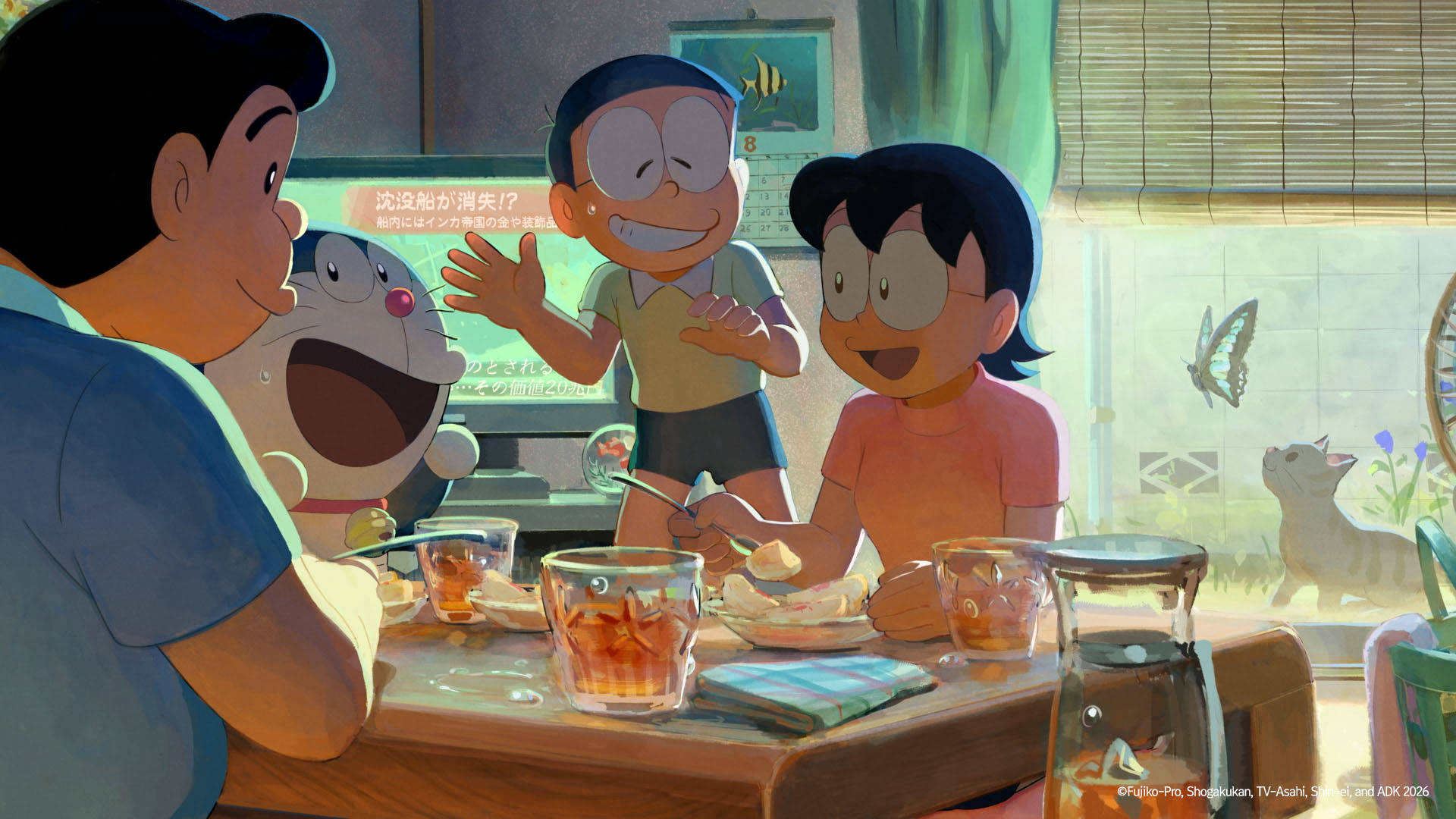
The latest installment in the long-running anime franchise, Doraemon the Movie: Nobita’s Sky Utopia (known in some regions as Nobita’s Earth Symphony or related to the recent series of cinematic releases including Nobita’s Sky Utopia), continues to draw fans with its blend of nostalgic adventure and thematic depth. Following the recent domestic release and promotional cycle for Doraemon: Nobita’s Sky Utopia in South Korea, official distributors have released a series of commemorative ending illustrations, highlighting the emotional resonance of the film’s conclusion and its focus on summer memories and oceanic mystery.
For fans of the series, these visual assets serve as a bridge between the theatrical experience and the lingering themes of friendship and exploration that define the franchise. The focus on “summer memories” and the underwater setting reflects a recurring motif in the Doraemon cinematic universe, where Nobita and his friends often find themselves navigating extraordinary environments that challenge their courage and reinforce their bonds. According to official distribution updates, these illustrations are intended to capture the “lingering resonance” of the film’s final moments, providing viewers with a tangible memento of the story’s conclusion.
Understanding the Cinematic Universe of Doraemon
The Doraemon film series, produced by Shin-Ei Animation, has been a staple of Japanese animation for decades. Each year, the franchise releases a new feature-length film that typically deviates from the episodic nature of the television series to present a grander, more self-contained narrative. These films are highly anticipated, often performing well in the Japanese box office and across international markets in Asia. The decision to release specialized promotional art, such as the recently shared ending illustrations, is a standard practice in the industry to sustain engagement after the initial theatrical run.
The narrative structure of these films—often involving a “secret world” or a hidden realm—serves to highlight the imaginative scope of the original manga created by Fujiko F. Fujio. In the context of the recent releases, the emphasis on the “oceanic secret” or underwater mysteries aligns with the franchise’s history of utilizing science fiction elements to explore environmental and emotional themes. The visual storytelling in these ending sequences is designed to leave the audience with a sense of closure while simultaneously celebrating the camaraderie of the main characters: Nobita, Shizuka, Gian, and Suneo, alongside the titular robotic cat, Doraemon.
The Role of Visual Media in Fan Engagement
In the digital age, the release of high-quality character art and ending illustrations acts as a vital tool for audience retention. By sharing these assets on social platforms, distributors like Daewon Media in South Korea effectively encourage ongoing discussion among fans. This strategy allows the film to maintain visibility in a competitive market where new anime titles are released frequently. The “summer” theme is particularly effective in evoking a sense of nostalgia, a core component of the brand’s enduring appeal across generations.
The technical quality of these illustrations reflects the high production standards of modern anime. By focusing on the “lingering resonance” of the film, the marketing team is appealing to the adult demographic that grew up with the series, as well as the younger audience currently discovering it. This dual-layered appeal is essential for the longevity of a franchise that has spanned over 50 years since its inception in 1969. The ability of the franchise to adapt its visual identity while keeping the core character dynamics intact is a testament to the stewardship of the Fujiko Pro studio.
Updates on International Distribution and Streaming
While the theatrical run provides the primary experience for viewers, the availability of these films via streaming platforms and home video remains a significant factor in their long-term reach. In South Korea, the distribution of these films is managed by local entities that coordinate with the Japanese rights holders to ensure timely releases. Viewers interested in the most recent updates regarding the film’s availability or future home media releases are encouraged to follow official announcements from local distributors, as release schedules can vary significantly by territory.
As of this reporting, there are no further official announcements regarding upcoming sequels or specific spin-off projects connected to this particular film arc. Fans are encouraged to keep an eye on official social media channels for any news regarding future theatrical screenings or special limited-time events that may feature additional concept art or exclusive content. The franchise continues to be a major cultural force, and the regular release of new content ensures that the legacy of Nobita and Doraemon remains vibrant in the global animation landscape.
The next major update for the franchise will likely involve the announcement of the next annual theatrical film, a tradition that has remained consistent for the series since the 1980s. Until then, the current collection of ending illustrations remains the primary way to engage with the aesthetic and emotional conclusion of the latest entry. For those who have seen the film, these images offer a moment to reflect on the themes of the summer adventure and the enduring nature of the characters’ friendship. Please share your thoughts on the film’s conclusion or your favorite moments from the series in the comments section below.