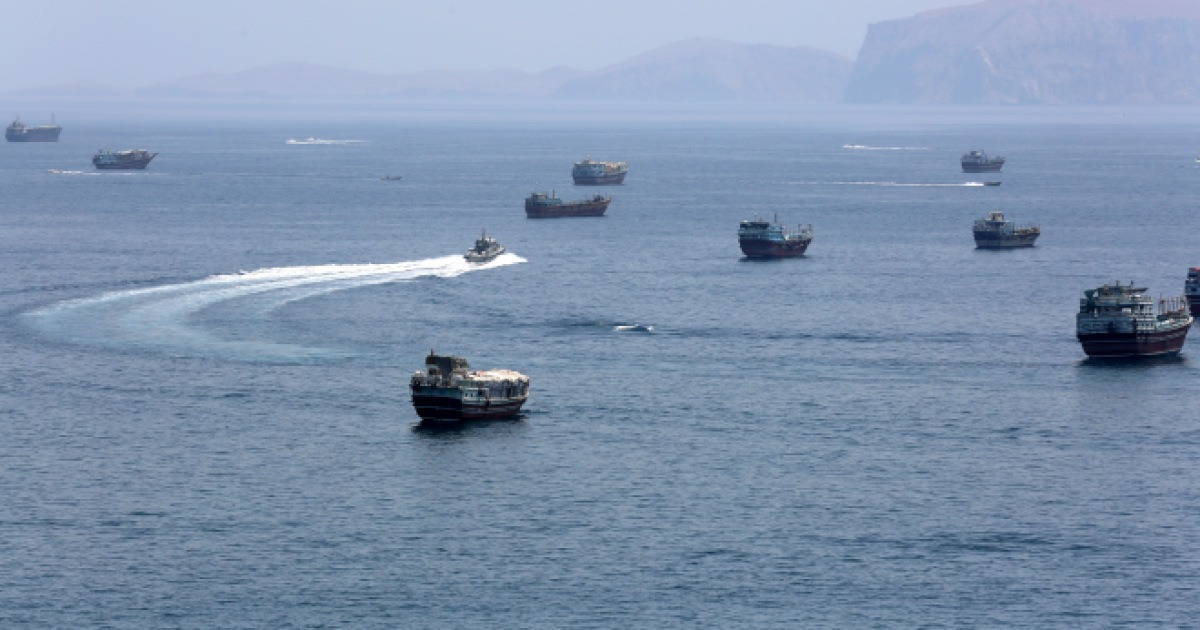
The Strait of Hormuz, a critical maritime chokepoint for global energy supplies, faces renewed uncertainty following reports that Iranian authorities have submitted new maritime insurance requirements to the International Maritime Organization (IMO). These measures, which involve a 60-day window for mandatory insurance compliance, coincide with heightening regional tensions and concerns regarding the freedom of navigation in the Persian Gulf.
According to International Maritime Organization standards, the Strait of Hormuz facilitates the passage of approximately 20% of the world’s total oil consumption. The introduction of specific, localized insurance mandates by Iranian authorities has prompted maritime insurers and shipping companies to evaluate the operational risks of transiting the narrow waterway. While Iran characterizes these steps as regulatory measures, international observers are monitoring whether these policies function as a de facto barrier to transit for vessels flagged by nations involved in ongoing regional disputes.
Regulatory Frameworks and Maritime Insurance
The core of the current tension lies in the implementation of “mandatory insurance” protocols. Maritime insurance, typically governed by the International Group of P&I Clubs, provides coverage for liabilities including oil spills and wreck removal. By mandating a specific, localized insurance structure for vessels entering the strait, Iran is attempting to assert greater oversight over commercial traffic.
Industry analysts note that such requirements often complicate the logistics for tanker operators. If a vessel is required to carry insurance that is not recognized by global underwriters or fails to meet the standards set by the London-based P&I market, the vessel effectively loses its ability to secure financing or discharge cargo at international ports. This creates a significant bottleneck for global trade, as shippers must weigh the risk of non-compliance against the potential for seizure or detention by regional naval forces.
Impact on Global Energy Markets
The Strait of Hormuz remains the world’s most important oil transit chokepoint. Data from the U.S. Energy Information Administration (EIA) confirms that millions of barrels of crude oil and liquefied natural gas (LNG) pass through the strait daily, primarily bound for Asian markets. Any disruption—whether through physical blockade or bureaucratic insurance hurdles—historically triggers volatility in global benchmark crude prices.
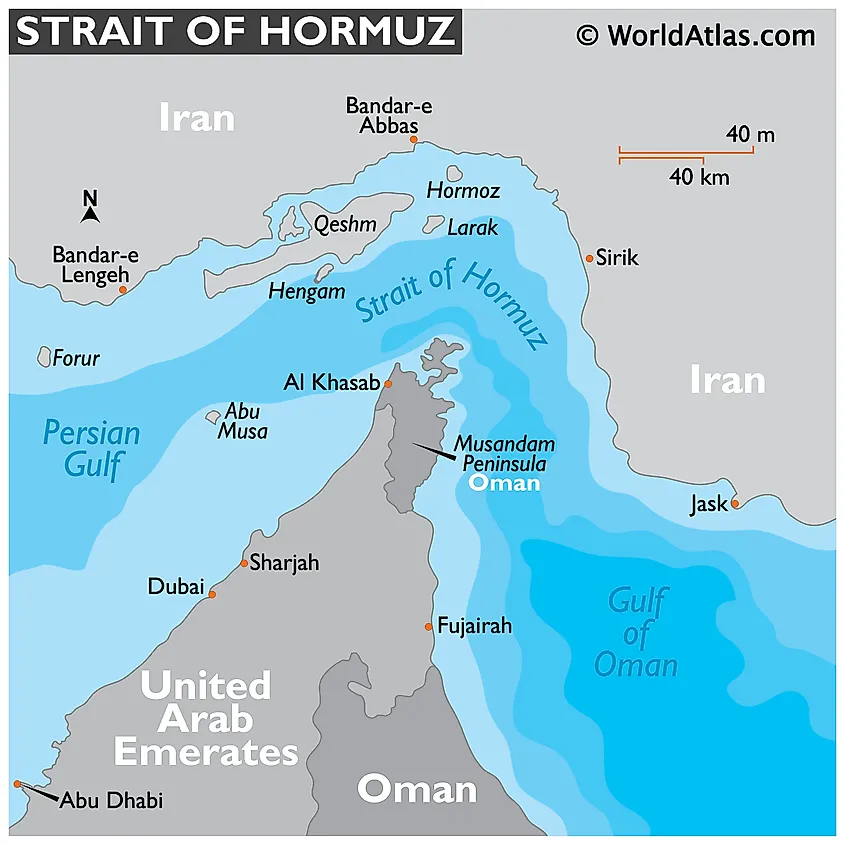
Energy traders are currently observing the “60-day” window mentioned in recent reports as a critical period. During this time, the shipping industry is expected to seek clarity from the IMO on whether these national insurance mandates align with the United Nations Convention on the Law of the Sea (UNCLOS), which guarantees the right of transit passage through international straits. If the requirements are viewed as an infringement on these rights, diplomatic pressure from major energy-importing nations is likely to increase.
Regional Security and Navigation Rights
The geopolitical context for these insurance changes is rooted in the broader instability across the Middle East. Following recent escalations involving Lebanon and regional proxies, observers have noted an increase in naval patrols near the Omani coast and the entrance to the Persian Gulf. Navigational safety in these waters is managed through a combination of international naval coalitions and individual state enforcement.
While the Iranian government has stated that its maritime policies are intended to ensure the safety and environmental protection of the strait, Western naval officials, including those from the U.S. Naval Forces Central Command, have historically maintained that such unilateral actions are designed to exert leverage over the international community. The presence of international tankers and naval vessels in the region remains high, with monitoring groups documenting frequent interactions between commercial ships and regional naval forces.
What Happens Next for Global Shippers
The next major checkpoint will be the formal review of these insurance terms by the IMO’s Legal Committee and the subsequent response from global shipping associations. Shippers are currently advised to monitor updates from their protection and indemnity (P&I) clubs, which serve as the primary source of guidance for navigating high-risk zones.
For maritime operators, the priority remains avoiding detention while maintaining compliance with international sanctions and local regulations. Any further developments regarding the enforcement of these insurance mandates are expected to be addressed in the next session of the IMO council. Readers interested in tracking these developments should refer to official notices to mariners (NOTAMs) and updates from the Maritime Global Security network.
We invite our readers to share their analysis of these maritime policy shifts in the comments section below. For ongoing coverage of global economic policy and energy sector security, follow our dedicated business reporting team at World Today Journal.