
For over six decades, the silhouette of James Bond has been as much a character as the man himself. Whether he is navigating the high-stakes casinos of Monte Carlo or surviving a narrow escape in the rugged terrain of a remote island, the 007 wardrobe serves as a visual shorthand for sophistication, authority, and lethal intent. As the gaming world turns its collective gaze toward the next chapter of the franchise—the highly anticipated project currently under development by IO Interactive—the conversation has shifted from gameplay mechanics to a more nuanced question: how will the legendary sartorial legacy of Bond be translated into the digital age?
The transition from silver screen to interactive medium presents a unique challenge. In cinema, a costume is a static masterpiece of design, curated by legends like Anthony Sinclair or Tom Ford to evoke a specific era. In a modern super-spy simulator, however, clothing must be more than just aesthetic; it must be functional, reactive, and capable of conveying the character’s evolution across different historical contexts. As fans dissect every detail of the upcoming 007 title, the focus on iconic outfits—ranging from the timeless tuxedo to the rugged tactical gear of the modern era—highlights the profound importance of fashion in defining the Bond mythos.
The anticipation surrounding this new era of Bond gaming is rooted in the developer’s pedigree. IO Interactive, the studio behind the critically acclaimed Hitman series, is uniquely positioned to handle the complexities of social stealth and character immersion. In their previous work, clothing was not merely a cosmetic choice but a vital tool for survival, allowing players to blend into crowds and manipulate environments. This marriage of “Bondian” charm and deep, systemic improvisation is what makes the upcoming project one of the most significant milestones in the history of spy fiction.
The Architect of Elegance: The Connery Blueprint
To understand the weight of a Bond wardrobe, one must start with Sean Connery. It was during the franchise’s formative years that the “Classic Tuxedo” became the definitive uniform of the secret agent. The Connery era established the idea that a spy’s greatest weapon wasn’t always a Walther PPK, but the ability to command a room through impeccable tailoring.
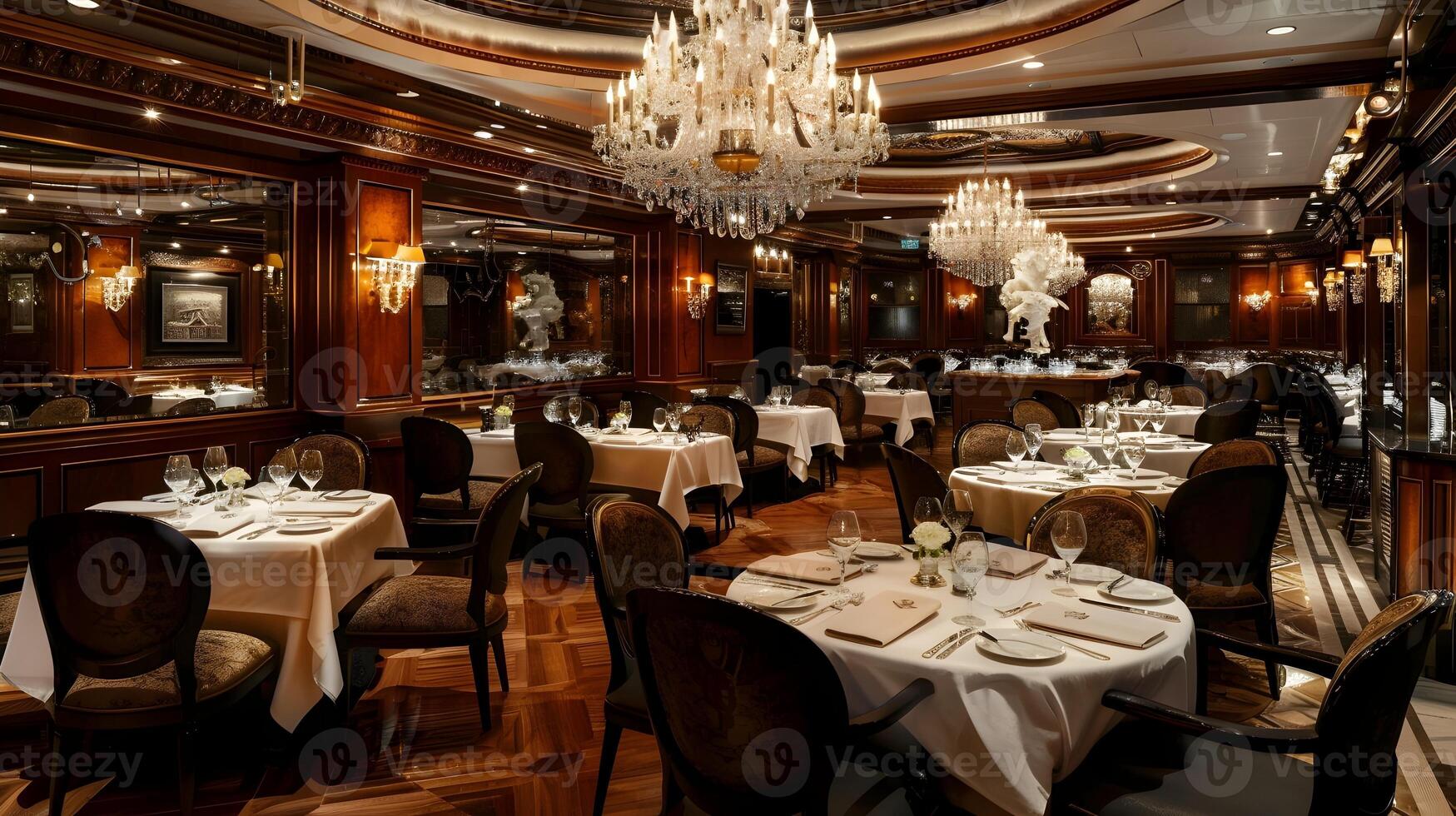
The aesthetic was defined by clean lines and a sense of effortless masculinity. The tuxedo was not just formal wear; it was armor. This era focused on the “gentleman spy” archetype, where the clothing signaled a level of social standing that allowed Bond to move seamlessly through elite circles. In the context of modern gaming, recreating this look requires more than just a black suit; it requires a mastery of fabric physics and lighting to capture the sheen of silk lapels and the structured drape of high-quality wool, ensuring that the player feels the gravitas of the character’s most iconic silhouette.
The Era of Suave Sophistication: Moore and Brosnan
As the franchise evolved, so did the wardrobe. The Roger Moore era introduced a slightly more relaxed, yet undeniably suave, approach to the spy’s attire. Moore’s Bond often leaned into a more colorful and varied palette, frequently utilizing sophisticated coats and leisurewear that reflected the changing social mores of the 1970s and 80s. This period emphasized the “gentleman adventurer,” where the clothing needed to transition from a high-society gala to a rugged excursion with minimal friction.

Following Moore, Pierce Brosnan brought a sleek, late-90s modernity to the role. The Brosnan era was characterized by slim-cut suits and a highly polished, almost cinematic perfection in tailoring. His Bond was the bridge between the classic gentleman and the high-tech operative. The suits were sharper, the colors more controlled, and the overall look was designed to pop against the increasingly explosive and high-octane backdrops of the films. For a developer, capturing the Brosnan aesthetic means balancing that razor-sharp modernity with the practical requirements of an action-oriented gameplay loop.
Rugged Realism: The Daniel Craig Legacy
The most recent seismic shift in Bond’s fashion arrived with Daniel Craig. Moving away from the polished perfection of his predecessors, Craig’s tenure—particularly in films like Spectre—introduced a sense of grit and tactical realism. The “Day of the Dead” aesthetic, often associated with the high-stakes tension of his later outings, replaced the pristine tuxedo with more utilitarian, textured, and sometimes rugged clothing.
This era saw the introduction of tactical knitwear, heavier fabrics, and a color palette that favored earth tones and charcoal grays. It was a wardrobe designed for a man who was frequently bruised, bloodied, and operating in the shadows. This shift has had a massive impact on how modern gaming developers approach character design. The “Craig-era” look allows for a much wider range of visual storytelling within a single mission, as the clothing can show the wear and tear of combat, adding a layer of immersion that was previously absent in more stylized depictions of the spy.
Sartorial Timeline: The Evolution of 007 Style
To better understand how these eras influence the current development of the Bond gaming experience, One can look at the primary stylistic pillars of the franchise:
| Era / Actor | Core Aesthetic | Key Wardrobe Element | Character Archetype |
|---|---|---|---|
| Sean Connery | Classic Formalism | The Black Tie Tuxedo | The Gentleman Spy |
| Roger Moore | Suave Adventure | Sophisticated Overcoats | The Sophisticated Adventurer |
| Pierce Brosnan | Modern Sleekness | Slim-cut Tailored Suits | The High-Tech Operative |
| Daniel Craig | Tactical Realism | Rugged Knitwear & Gritty Suits | The Hardened Agent |
Why Wardrobe Matters in the Next Generation of Gaming
The reason the discussion around outfits is so prevalent in the gaming community is that, in the hands of a developer like IO Interactive, clothing is a mechanic. In the Hitman series, the ability to change outfits is the cornerstone of the “social stealth” genre. For a Bond game, this becomes even more critical. A player must be able to move from the formal environment of a casino to the tactical environment of a coastal villa, and the wardrobe must facilitate that transition both narratively and mechanically.
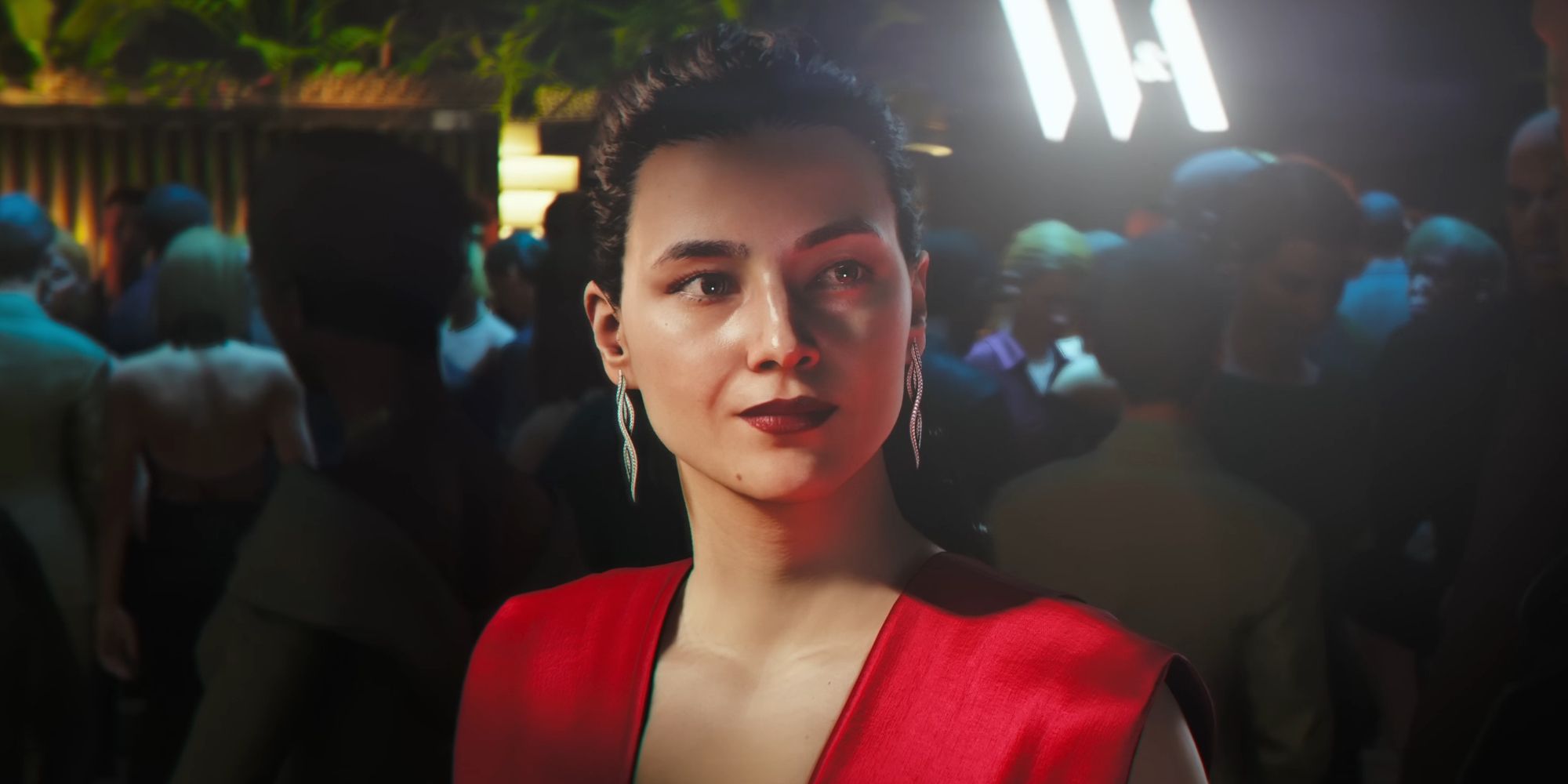
The upcoming project is expected to leverage advanced engine technology to ensure that these outfits are not just “skins,” but integrated parts of the world. We are looking at a future where the texture of a linen suit in the Mediterranean sun feels fundamentally different from the heavy wool of a London winter. This level of detail is what will separate a standard action game from a true James Bond simulator.
As we await further official updates from IO Interactive regarding the specific gameplay features and visual direction of the project, one thing remains certain: the legend of 007 will always be told through the lens of style. Whether it is the timeless elegance of a Connery tuxedo or the rugged utility of a Craig-inspired ensemble, the clothes make the spy.
What do you think is the most iconic James Bond look of all time? Will the upcoming IO Interactive project do justice to the cinematic legacy? Let us know in the comments below and share this article with your fellow 007 fans.