
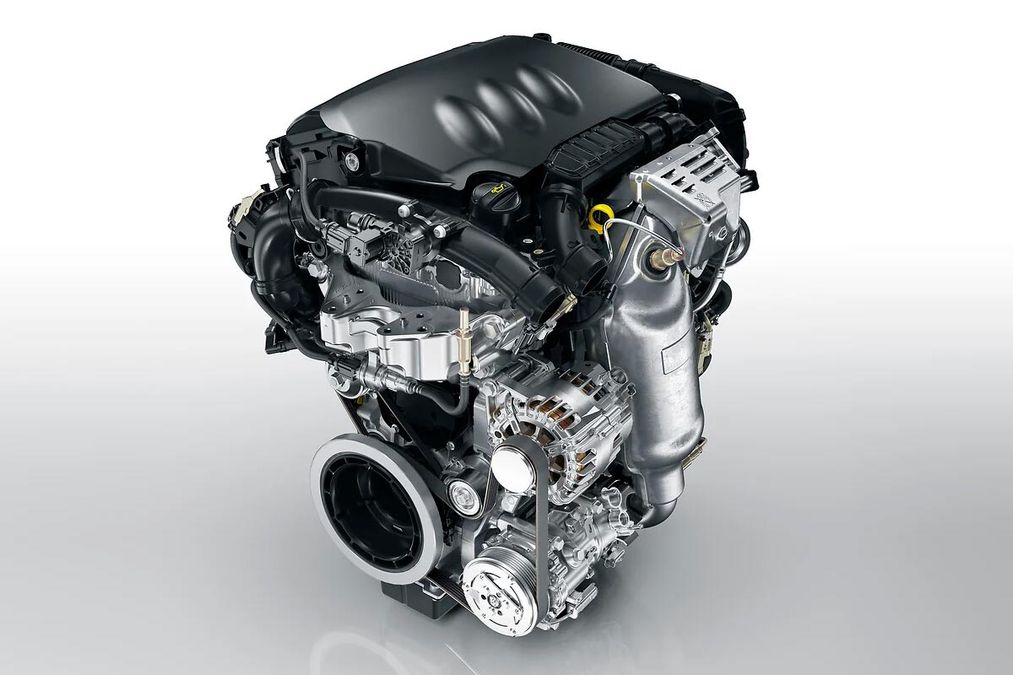
For years, owners of vehicles equipped with the 1.2 PureTech engine have navigated a persistent source of mechanical anxiety. The engine’s unique timing belt design, which operates within the engine oil—often referred to as a “wet belt”—has been the subject of significant scrutiny and concern regarding long-term reliability and premature wear.
As a business analyst covering the automotive sector, I have observed how these technical vulnerabilities can translate into broader economic impacts, affecting vehicle resale values and increasing the cost of ownership for a global consumer base. However, a new development in the aftermarket sector is offering a potential exit strategy for those plagued by this “belt nightmare.”
Industry reports indicate the emergence of a 1.2 PureTech timing chain conversion kit, a specialized modification designed to replace the problematic belt system with a more durable timing chain. This shift in distribution technology aims to eliminate the risks associated with belt degradation and the subsequent potential for engine failure.
Addressing the PureTech Distribution Dilemma
The 1.2 PureTech engine, utilized across various Stellantis brands, has faced challenges related to its timing belt’s interaction with engine oil. When the belt degrades, debris can enter the oil system, potentially clogging the oil pump and leading to severe engine damage. This has left many owners searching for a permanent solution rather than relying on frequent, cautious belt replacements.

The transition from a belt to a chain is a significant mechanical shift. While belts are typically quieter and cheaper to manufacture, chains are renowned for their longevity and resistance to the type of wear that has affected the PureTech series. For the consumer, this conversion represents an investment in the engine’s lifespan and a reduction in the frequency of critical maintenance intervals.
According to reports from automotive publications including Autoappassionati.it, a definitive solution has arrived in the form of a conversion kit originating from the Netherlands. This kit allows mechanics to fundamentally alter the engine’s distribution system, effectively removing the “wet belt” vulnerability from the equation.
Market Implications and Consumer Impact
From a financial perspective, the availability of a timing chain conversion kit could stabilize the secondary market for 1.2 PureTech vehicles. When a known mechanical flaw exists, buyers typically demand a discount, and sellers face steeper depreciation. By providing a verifiable “fix,” the aftermarket is creating a path toward restoring confidence in these powerplants.
However, owners must weigh the initial cost of the conversion against the potential for future savings. While the kit requires a significant upfront investment in parts and labor, it may reduce the long-term expenditure associated with the rigorous monitoring and premature replacement schedules mandated for the original belts.
The broader context of this issue is highlighted by the ongoing efforts to categorize and manage different engine versions. For instance, ItalPassion has noted the importance of distinguishing between belt and chain models within the Stellantis 1.2 PureTech lineup, as different iterations of the engine have different requirements and vulnerabilities.
Key Considerations for Vehicle Owners
- Warranty Status: Owners should be aware that installing a third-party conversion kit may void official manufacturer warranties.
- Installation Expertise: This is not a simple part swap; it requires a professional mechanic experienced in engine distribution systems.
- Resale Documentation: If a conversion is performed, keeping detailed records of the work and the kit used can be a strong selling point for future buyers.
What Happens Next
The arrival of these kits marks a shift from manufacturer-led maintenance to consumer-led solutions. While Stellantis continues to manage the PureTech fleet through official service channels, the aftermarket’s move toward a chain-based system provides a viable alternative for those who prioritize mechanical permanence over factory specifications.
The next critical checkpoint for owners will be the widespread availability of these kits across European markets and the subsequent validation of their long-term performance by independent workshops. As more data emerges on the reliability of the Dutch conversion kits, the automotive community will have a clearer picture of whether this is the definitive complete to the PureTech belt concerns.
Do you own a 1.2 PureTech engine? Are you considering a conversion or sticking with the manufacturer’s maintenance schedule? Share your experiences and thoughts in the comments below.