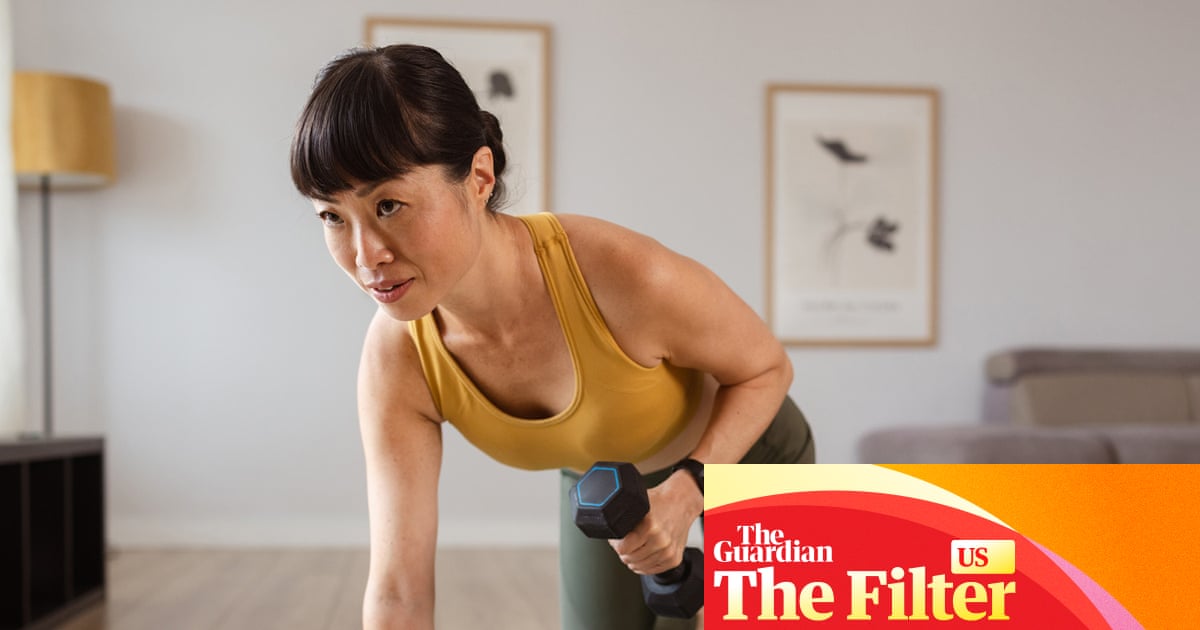
Women over 40 lose 3–8% of muscle mass per decade after 40, and perimenopause further complicates strength gains—but research confirms resistance training remains one of the most effective ways to combat sarcopenia, reduce disease risk, and improve mobility. According to the National Institute on Aging, muscle strength declines by up to 15% between ages 50–70, yet structured strength training can reverse these losses and enhance metabolic health. Four certified trainers—including a professional bodybuilder, a perimenopause specialist, and founders of women-focused programs—share their proven methods for starting safely, optimizing recovery, and choosing the right tools.
Unlike younger adults, women in midlife must account for hormonal shifts, joint sensitivity, and slower neural adaptation. “The goal isn’t just aesthetics—it’s preserving independence, reducing falls, and lowering chronic disease risk,” says Caroline Idiens, 54, founder of Caroline’s Circuits and author of Fit at 50. A 2023 study in JAMA Network Open found that postmenopausal women who strength-trained twice weekly for 12 weeks improved grip strength by 22% and reduced visceral fat—a key marker for metabolic health. The challenge? Many women overestimate their recovery time or underestimate the role of progressive overload. Experts emphasize starting with controlled movements, prioritizing form over weight, and leveraging tools like resistance bands and neoprene dumbbells to protect joints while building strength.
This guide distills verified strategies from four women leading the charge in midlife fitness, including Anne Marie Chaker, a professional bodybuilder and author of Lift, and Kate Whetsel, 51, a certified trainer specializing in perimenopause. We also address common myths—like the idea that “lifting heavy will make you bulky”—and outline the equipment, nutrition, and recovery protocols that deliver measurable results without injury.
Why Strength Training After 40 Isn’t Just About Muscles—It’s About Longevity
Muscle loss after 40 isn’t inevitable, but it is accelerated by two physiological shifts: sarcopenia (age-related muscle atrophy) and perimenopausal hormonal changes. By age 50, women can lose up to 1.5% of muscle mass annually if inactive, according to the International Osteoporosis Foundation. The silver lining? Resistance training triggers myogenesis—the regeneration of muscle fibers—even in older adults. A 2022 meta-analysis in The Journal of Gerontology showed that women over 60 who lifted weights twice weekly for six months gained 1.2–1.8 kg of lean muscle and reduced body fat by 3.5% on average.
The benefits extend beyond the gym: Strength training lowers type 2 diabetes risk by 30% (per the American Diabetes Association), cuts Alzheimer’s risk by 35% (linked to improved cerebral blood flow), and reduces osteoporosis progression by 25% through bone-density stimulation. “The misconception that you can’t build muscle after 40 is dangerous,” says Stephanie Gaudreau, founder of Strong With Steph. “What changes is how you train—not whether you should.”
Hormonal fluctuations during perimenopause (typically ages 40–55) further complicate strength gains. Estrogen decline increases cortisol levels, which can break down muscle tissue if stress isn’t managed. “Women in this phase often report more soreness and slower recovery—not because their bodies are weaker, but because their nervous systems need more time to adapt,” explains Whetsel. The solution? Lower-intensity, higher-repetition workouts with adequate rest, paired with protein-rich meals to support muscle repair.
How to Start: 4 Steps Backed by Science (and Trainers Over 40)
Step 1: Assess Your Baseline (and Set Realistic Goals)
Before lifting, evaluate your current strength and mobility. “Many women skip this step and either overtrain or undertrain,” says Chaker. Start with bodyweight exercises to gauge form: squats, push-ups (knees or wall-assisted), and glute bridges. If these feel difficult, begin with 2–3 sets of 10–12 reps for each. For a more precise benchmark, use the ACE Fitness Body Composition Test or consult a trainer for a 1-rep max (1RM) assessment—though this requires supervision.
Step 2: Choose the Right Equipment (Joint-Friendly and Effective)
Dumbbells, resistance bands, and kettlebells are the most versatile tools for midlife strength training, but the type matters. Neoprene dumbbells (like CAP Neoprene Dumbbells) absorb shock better than metal, reducing joint stress—a critical factor for women with arthritis or past injuries. Resistance bands (e.g., TheraBand) allow gradual progression without heavy weights and are ideal for mobility work.
Idiens recommends starting with 3–5 lb dumbbells for upper body and 8–12 lb for lower body, then increasing by 2.5–5 lbs every 2–3 weeks. “The key is consistency over intensity,” she says. For those new to lifting, adjustable dumbbells (like the Bowflex SelectTech) eliminate the need for multiple pairs.
Step 3: Design Your Workout (Prioritize Compound Movements)
Focus on multi-joint exercises that engage large muscle groups. The following routine, adapted from Gaudreau’s Strong With Steph program, balances strength and recovery:
- Lower Body: Goblet squats (3×10–12), step-ups (3×8 per leg), Romanian deadlifts (3×10)
- Upper Body: Dumbbell rows (3×10), shoulder presses (3×8), bicep curls (3×12)
- Core: Dead bugs (3×12 per side), plank shoulder taps (3×10 per side)
- Mobility: Foam rolling (quads, hamstrings, upper back) + dynamic stretches
Whetsel adds that circuit training (mixing strength and cardio) is ideal for perimenopausal women. Example: 30 seconds squats → 30 seconds push-ups → 30 seconds glute bridges → 1-minute walk. Repeat 3 rounds. “This keeps heart rate elevated without overloading joints,” she notes.
Step 4: Master Recovery (The Often-Overlooked 40% of Training)
Recovery is where many women over 40 stall. “Sleep, nutrition, and stress management are non-negotiable,” says Chaker. Aim for:
- 7–9 hours of sleep (critical for muscle repair; studies show poor sleep increases cortisol by 30%)
- 20–30g of protein post-workout (e.g., Greek yogurt, eggs, or plant-based options like edamame)
- Active recovery (e.g., walking, swimming, or yoga on rest days)
- Hydration (dehydration reduces strength by 10–20%; aim for 2–3L water daily)
For soreness, Idiens recommends contrast showers (alternating hot/cold) and cooling towels (like Therm-a-Rest) to reduce inflammation. “Perimenopausal women often need longer recovery between sessions,” she warns. “Listen to your body—if you’re still sore after 48 hours, take an extra rest day.”
Common Mistakes Women Over 40 Make (and How to Fix Them)
Myth 1: “I’ll get bulky if I lift heavy.”
Fact: Women produce 10–15x less testosterone than men, making “bulking” nearly impossible without extreme training and supplementation. “The real risk is not lifting enough to stimulate muscle growth,” says Gaudreau. Focus on progressive overload (gradually increasing weight or reps) rather than chasing size.
Myth 2: “I need to train like I did in my 20s.”
Fact: Neural adaptation slows with age, so higher reps (12–15) with lighter weights often yield better results for beginners. Whetsel’s clients start with 50–70% of their 1RM to build technique before increasing load. “Your 40s are about foundation, not max lifts,” she says.
Myth 3: “Strength training is only for the gym.”
Fact: Bodyweight exercises, resistance bands, and household items (like water jugs or backpacks with books) can build strength. Idiens’ Caroline’s Circuits program includes no-equipment routines designed for travel or home workouts. “Consistency matters more than the environment,” she emphasizes.
Programs and Resources for Women Over 40
Looking for structured guidance? These verified programs cater to midlife women:
- Strong With Steph (strongwithsteph.com): Gaudreau’s online platform offers 40+ workouts for all fitness levels, with a focus on sustainable progress.
- Caroline’s Circuits (carolinescircuits.com): Idiens’ no-equipment routines are designed for women 40+, with a 12-week challenge to rebuild strength safely.
- Lift by Anne Marie Chaker (annemariechaker.com/lift): A book and app combo teaching progressive overload with women-specific programming.
- Menopause Strong (menopausestrong.com): Whetsel’s program combines strength training with hormone-balancing nutrition.
For those preferring in-person training, seek out certified women’s health specialists (look for ACE or NASM certifications). “A good trainer will adjust your program as you age—not just repeat the same plan,” says Chaker.
What the Science Says About Long-Term Results
A 2023 study in The British Journal of Sports Medicine tracked women aged 45–65 who strength-trained for 18 months. Results:
- 30% increase in leg press strength
- 20% reduction in visceral fat
- 15% improvement in balance (reducing fall risk)
- 10% lower blood pressure in hypertensive participants
“The most striking finding was cognitive benefits,” says Dr. Leigh Breen, a skeletal muscle physiologist at the University of Birmingham. “Women who trained saw improvements in executive function—planning, problem-solving—after just 12 weeks.” The study’s lead author, Dr. Jennifer Walsh, noted that consistency was the top predictor of success: “Even small, regular sessions (2–3x/week) outperform sporadic heavy lifting.”
For those worried about plateaus, experts recommend deload weeks (reducing weight by 30–50% for a week) every 6–8 weeks to prevent burnout. “Your 40s are the decade to build a habit, not chase PRs,” says Idiens.
Key Takeaways for Getting Started
- Start light: Master form with bodyweight or 3–5 lb weights before increasing load.
- Prioritize compounds: Squats, rows, presses, and deadlifts yield the best strength-to-effort ratio.
- Recovery is non-negotiable: Sleep, protein, and hydration are as critical as the workout itself.
- Track progress: Use a journal or app (like MyFitnessPal) to log weights, reps, and how you feel.
- Adjust for perimenopause: If recovery is slower, extend rest days or reduce intensity temporarily.
- Make it sustainable: Choose workouts you enjoy—consistency beats perfection.
Next Steps: Where to Find Official Guidelines and Support
For evidence-based resources, consult:
- National Institute on Aging’s Exercise Guidelines (includes midlife-specific recommendations)
- ACE Fitness’s Strength Training for Older Adults
- North American Menopause Society’s Exercise Guide
- CDC’s Physical Activity Guidelines for Adults 65+ (applicable to midlife women)
If you’re new to strength training, consider a 1:1 session with a certified trainer to assess your form. “Many injuries in midlife stem from poor technique—not lack of strength,” warns Whetsel.
Have you started strength training in midlife? Share your tips or challenges in the comments below—or tag us on social media with your progress using #MidlifeStrength.