
In our fast-paced modern environment, the physiological toll of chronic stress has become a defining health challenge of the 21st century. As a physician, I frequently discuss the importance of autonomic nervous system regulation with my patients at Charité – Universitätsmedizin Berlin. While medical interventions and therapy remain cornerstones of treatment for clinical anxiety, the integration of intentional breathwork into daily routines offers a scientifically grounded, accessible tool for immediate physiological modulation.
Learning how to regulate your breathing—specifically by slowing your respiratory rate—can trigger a parasympathetic “relaxation response,” which counteracts the “fight-or-flight” state driven by the sympathetic nervous system. By shifting your focus to the cadence and depth of your inhalations and exhalations, you can influence heart rate variability and blood pressure, providing a tangible way to manage the immediate impact of daily stressors. Understanding these breathing techniques to reduce stress is not merely about finding a moment of calm; It’s an exercise in biological self-regulation that supports long-term mental and physical well-being.
The Physiology of Controlled Respiration
The average adult at rest typically breathes approximately 16 times per minute, totaling roughly 23,000 breaths throughout a single day. However, research suggests that when we are stressed, our breathing often becomes shallow, rapid, and irregular, which can exacerbate feelings of anxiety and contribute to elevated cardiovascular strain. By consciously adjusting this rhythm, we can send signals to the brain that the body is safe, effectively lowering the production of stress hormones like cortisol.
Scientific studies into respiratory pacing have highlighted that a frequency of approximately six breaths per minute is often optimal for inducing a state of calm. This specific rate helps synchronize the respiratory and cardiovascular systems, a process that can enhance heart rate variability—a key marker of physical resilience. When practiced consistently, these methods can help individuals navigate high-pressure environments, whether in the workplace or during personal challenges, by providing a neurological “reset” button.
Five Accessible Techniques for Daily Practice
You do not need specialized equipment or significant time to begin practicing these techniques. Even a few minutes of focused attention can yield measurable benefits. Here are five foundational approaches to breathing that can be incorporated into your daily routine:
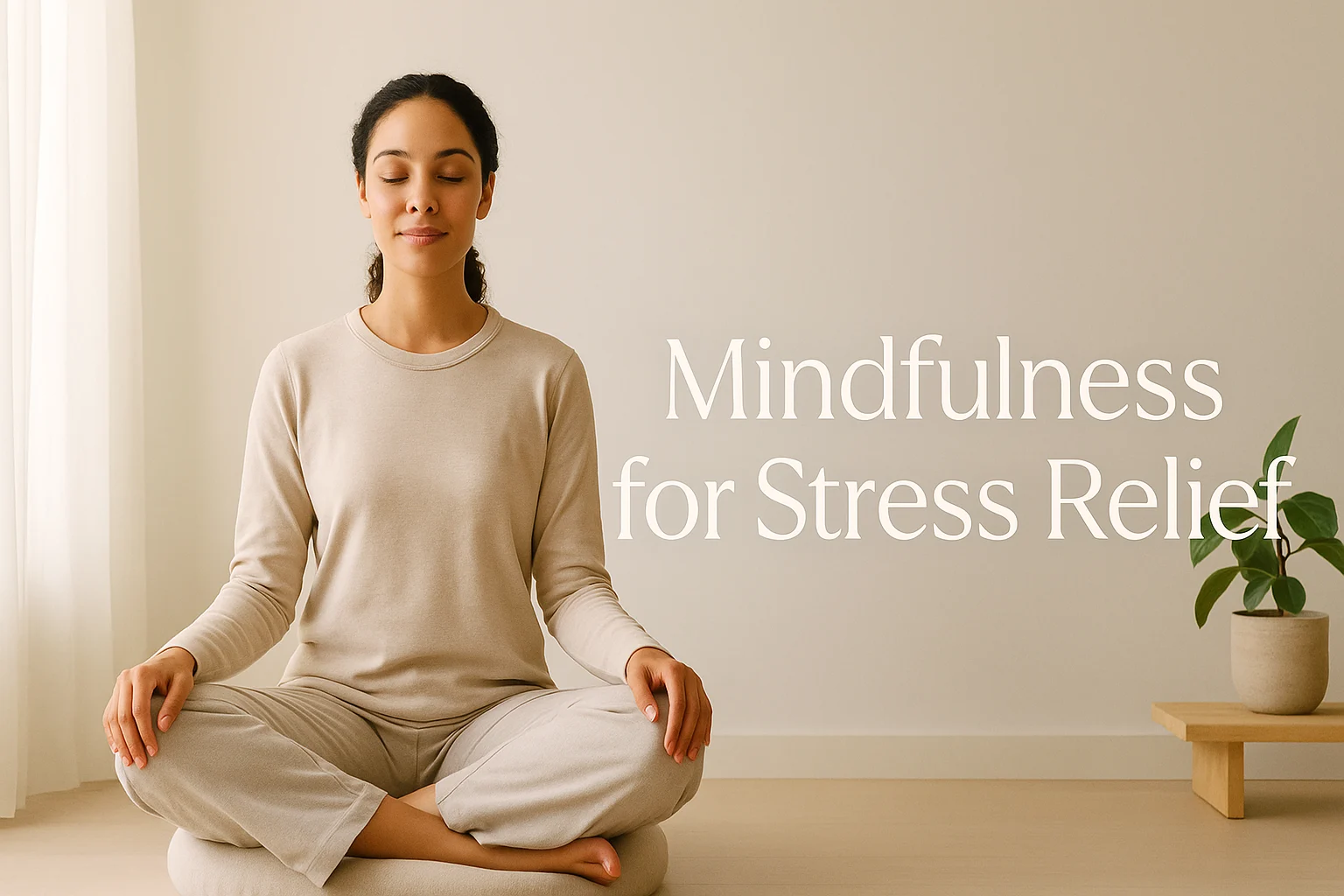
- The Six-Breath Cycle: Aim for a rhythm of roughly six full exhalations per minute. By elongating the exhalation phase, you stimulate the vagus nerve, which is a primary driver of the body’s relaxation response.
- Diaphragmatic Breathing: Often referred to as “belly breathing,” this involves engaging the diaphragm rather than the chest muscles. Place one hand on your chest and the other on your abdomen; ensure that only the hand on your abdomen rises during inhalation.
- Box Breathing: This technique involves a structured four-part cycle: inhale for four seconds, hold for four seconds, exhale for four seconds, and hold for four seconds. This pattern is particularly useful for maintaining focus during moments of acute pressure.
- 4-7-8 Technique: Inhale quietly through the nose for four seconds, hold the breath for seven seconds, and exhale forcefully through the mouth for eight seconds. The extended exhalation is designed to lower the heart rate quickly.
- Focused Awareness: Simply observing the sensation of air entering and leaving the nostrils can ground the mind. When the mind wanders, gently return your focus to the physical sensation of the breath without trying to alter the rhythm initially.
Integrating Breathwork into Modern Healthcare
The medical community is increasingly recognizing the role of mindfulness and respiratory control as valuable adjuncts to traditional care. As noted by the World Health Organization, mental health is an essential component of overall health, and non-pharmacological interventions that empower patients to manage their own physiological states are becoming increasingly important in public health strategies. While these techniques are not a substitute for clinical treatment in cases of severe anxiety or depression, they serve as a practical, evidence-based foundation for stress management.
For those interested in the broader scope of how lifestyle interventions impact health, organizations like the National Health Service (NHS) provide guidance on how breathing exercises can be integrated into a larger framework of mental health support. The goal is to move toward a model where individuals feel equipped to handle the stresses of daily life through simple, consistent, and proactive measures.
Moving Forward: A Proactive Approach to Wellness
As we continue to navigate the complexities of modern life, the ability to pause and recalibrate our internal state remains one of the most effective tools at our disposal. Whether you are dealing with the pressures of a high-stakes career or the simple accumulation of daily stressors, dedicating just a few minutes to intentional breathing can offer a significant return on investment for your mental health.
We encourage our readers to experiment with these techniques and observe the differences in their own stress levels. For those seeking further information on public health initiatives and wellness strategies, stay tuned to our upcoming reports on integrated medicine and preventative health practices. We welcome your experiences and questions in the comments section below—your journey toward better health is a conversation we are proud to support.
Worth a look