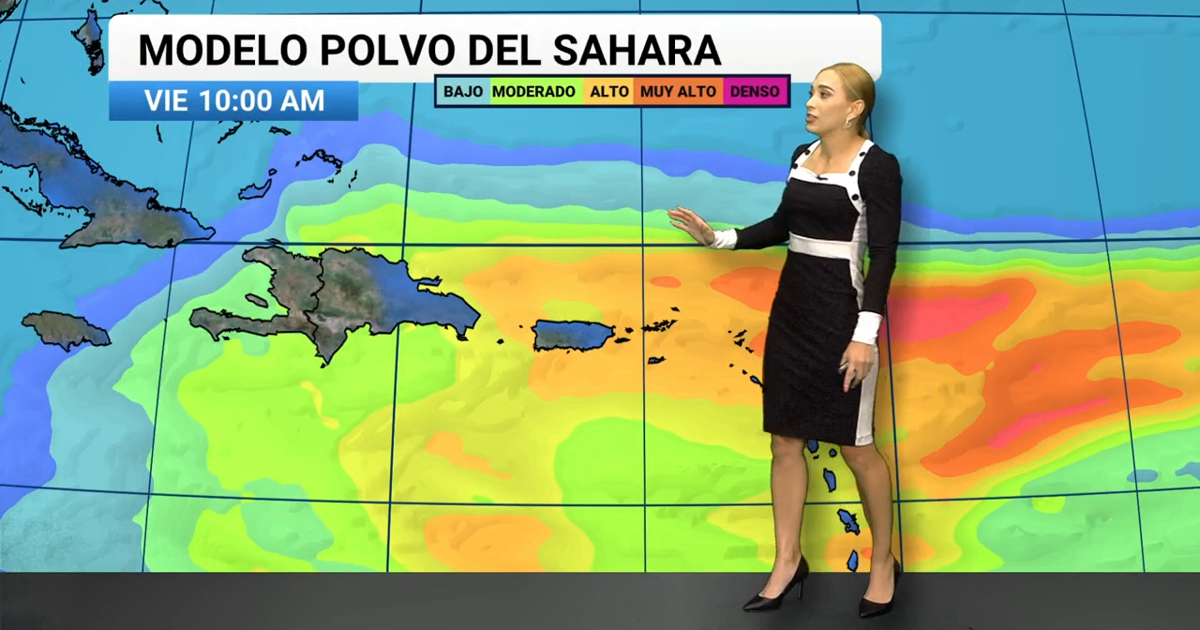
A massive Saharan dust plume has crossed the Atlantic, reaching the Caribbean and moving toward Central America and the southern United States, according to the National Oceanic and Atmospheric Administration (NOAA). The event, which began on June 18, is expected to peak in intensity over the next 48 hours, raising concerns for individuals with asthma, allergies, and other respiratory conditions. Health officials warn that the fine particulate matter—known as PM10 and PM2.5—can exacerbate symptoms, trigger flare-ups, and even lead to hospitalizations in sensitive populations.
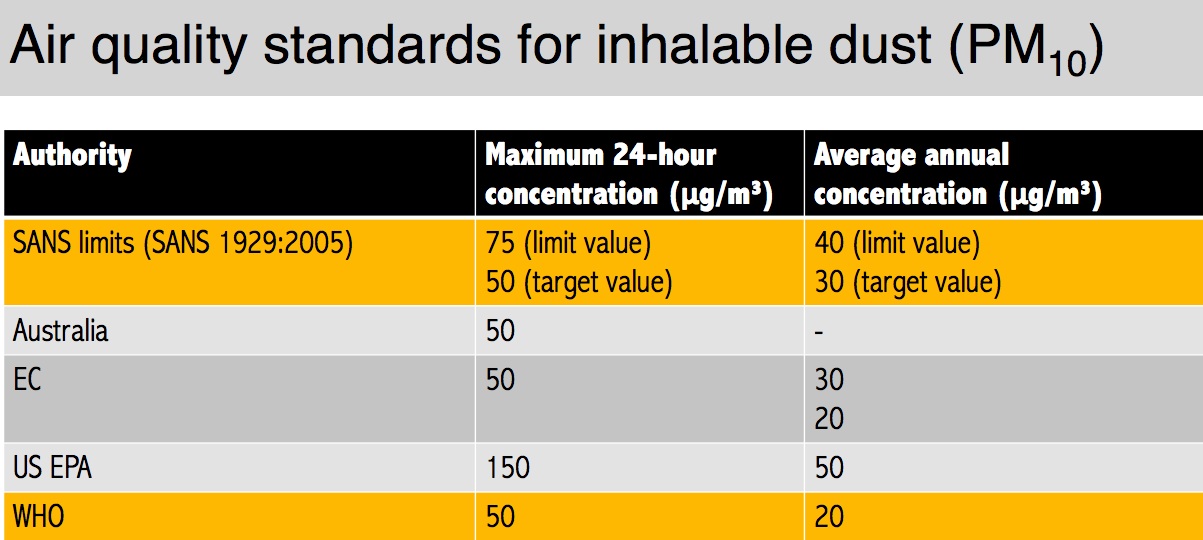
The dust cloud, visible from space, stretches over 5,800 miles wide and contains particles small enough to penetrate deep into the lungs, according to satellite imagery from NASA’s Earth Observatory. While Saharan dust events occur annually between June and August, this year’s plume is unusually dense, with concentrations of PM10 reaching up to 200 micrograms per cubic meter in some Caribbean regions—far exceeding the World Health Organization’s (WHO) recommended safe limit of 45 micrograms per cubic meter for daily exposure.
For people with asthma, allergies, or chronic obstructive pulmonary disease (COPD), the risks are heightened. The American Lung Association reports that dust particles can irritate airways, reduce lung function, and increase the need for rescue inhalers. “We’re advising patients to stay indoors, use air purifiers, and keep their medications close at hand,” said Dr. Purvi Parikh, an allergist and immunologist at Allergy & Asthma Care of New York. “Those with severe allergies or asthma should consider wearing an N95 mask if they must go outside.”
Why Is Saharan Dust Dangerous for Respiratory Health?
The primary concern lies in the particulate matter carried by the dust. PM10 particles (10 micrometers or less in diameter) can irritate the throat and nose, while PM2.5 particles (2.5 micrometers or less) can penetrate deep into the lungs and even enter the bloodstream. Studies published in the Lancet link prolonged exposure to increased hospital admissions for respiratory diseases, particularly in children and the elderly.

Additionally, the dust often carries fungal spores and bacteria, which can trigger allergic reactions or infections. The Centers for Disease Control and Prevention (CDC) notes that individuals with compromised immune systems or pre-existing conditions are at higher risk. “This isn’t just about discomfort—it’s about real health risks,” said Dr. Parikh. “For someone with uncontrolled asthma, this could be the difference between a manageable day and a trip to the emergency room.”
Who Is Most at Risk, and What Should They Do?
Health authorities categorize the following groups as highest risk during Saharan dust events:
- Asthma patients: Increased risk of bronchospasms and reduced lung function.
- Allergy sufferers: Potential for heightened reactions to pollen and mold spores carried in the dust.
- People with COPD or chronic bronchitis: Higher likelihood of exacerbations.
- Children and the elderly: Immature or weakened immune systems make them more vulnerable.
- Individuals with cardiovascular conditions: Fine particles can worsen heart health by promoting inflammation.
Recommended protective measures include:
- Staying indoors with windows and doors closed, especially during peak dust hours (typically late afternoon).
- Using air purifiers with HEPA filters to reduce indoor particle levels.
- Wearing an N95 mask if outdoor exposure is unavoidable.
- Keeping rescue inhalers, antihistamines, and other medications readily available.
- Monitoring air quality indices via apps like AirNow or local health department alerts.
How Long Will the Dust Event Last, and Where Is It Headed?
NOAA’s African Dust Forecast indicates the plume will continue moving westward, with the most significant impacts expected in:
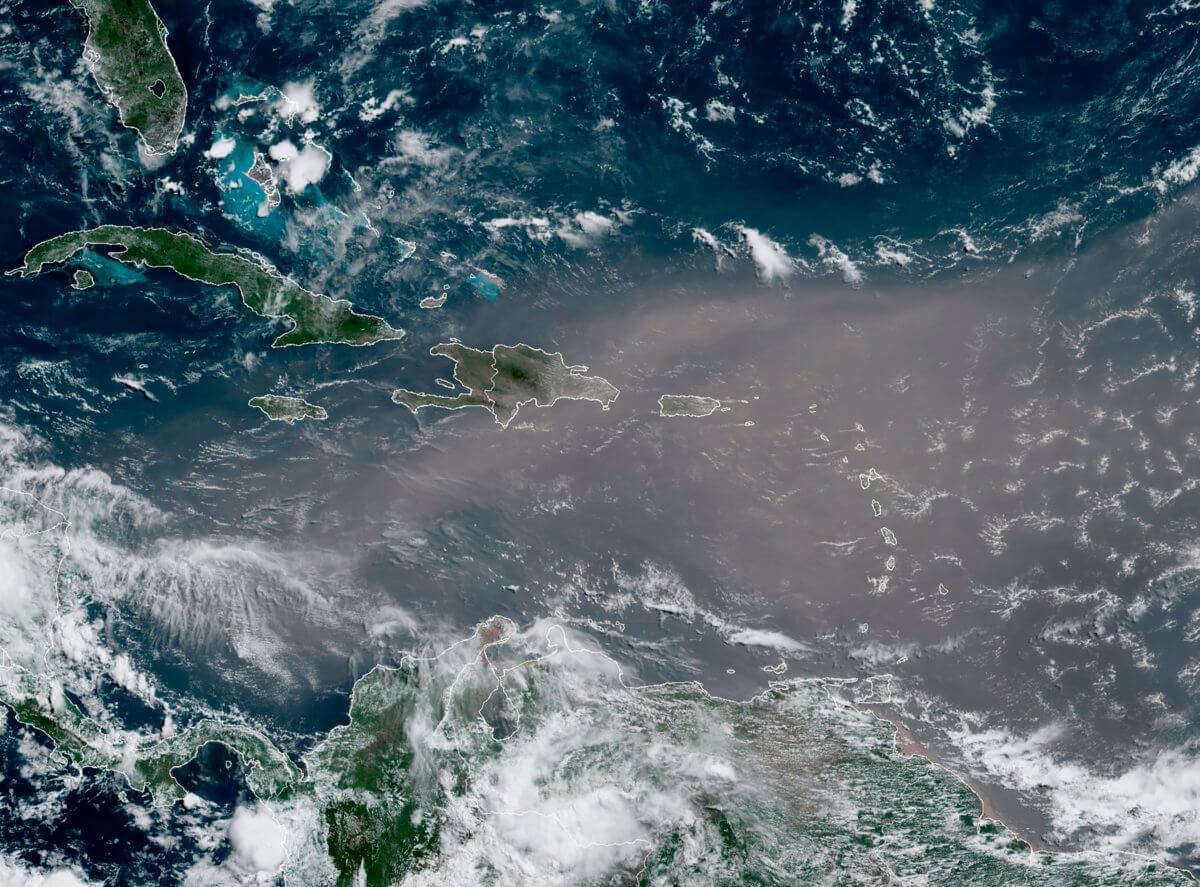
- Caribbean (Puerto Rico, Dominican Republic, Jamaica): Peak exposure June 20–22.
- Central America (Belize, Guatemala, Honduras): Elevated levels June 22–25.
- Southern U.S. (Florida, Texas, Louisiana): Possible arrival by June 26–28, though concentrations will likely be lower.
The event is expected to dissipate by early July as the dust disperses over the Atlantic. However, smaller particles may linger in the atmosphere for weeks, potentially affecting air quality in regions downwind.
What Are Health Officials Saying?
Governments and health organizations across the affected regions have issued advisories:
- The Pan American Health Organization (PAHO) urged vulnerable populations to “take extra precautions” and seek medical attention if symptoms worsen.
- The CDC reminded Americans with respiratory conditions to check local air quality reports and adjust activities accordingly.
- In Puerto Rico, the Department of Health activated a hotline for respiratory-related inquiries, reporting a 30% increase in emergency room visits for asthma-related issues during past dust events.
Long-Term Health Implications: What the Science Says
While short-term exposure is the primary concern, research suggests cumulative effects over multiple dust events may contribute to:
- Increased risk of asthma development in children, per a 2019 study in the New England Journal of Medicine.
- Accelerated decline in lung function among COPD patients, according to European Respiratory Society guidelines.
- Higher rates of hospitalizations for pneumonia in regions with frequent dust events, as documented in The Lancet.
Dr. Fischer notes: “While we focus on immediate risks, it’s important to recognize that these events may have lasting impacts, particularly in communities already burdened by poor air quality. Public health strategies should include long-term monitoring and targeted interventions for at-risk groups.”
Key Takeaways for Readers
- Monitor air quality: Use real-time tools like AirNow or local health department apps.
- Prepare your medication: Ensure you have extra inhalers, antihistamines, or emergency treatments.
- Protect your indoor air: Run air purifiers and avoid opening windows during peak dust hours.
- Recognize symptoms: Increased coughing, wheezing, or shortness of breath may indicate a reaction.
- Seek medical advice: If symptoms worsen, contact a healthcare provider promptly.
What Happens Next?
NOAA will continue updating its African Dust Forecast daily, with the next major advisory expected by June 21. Health organizations, including the WHO and PAHO, will provide additional guidance as the plume progresses. For the latest regional alerts, residents should consult:
- Pan American Health Organization (PAHO) (Americas)
- Centers for Disease Control and Prevention (CDC) (U.S.)
- World Health Organization (WHO) (Global)
Dr. Fischer concludes: “This event serves as a reminder of how interconnected our planet’s systems are—and how environmental factors can directly impact public health. For those affected, staying informed and proactive is the best defense.”
Have you experienced health effects from Saharan dust events? Share your stories or questions in the comments below.
Related reading