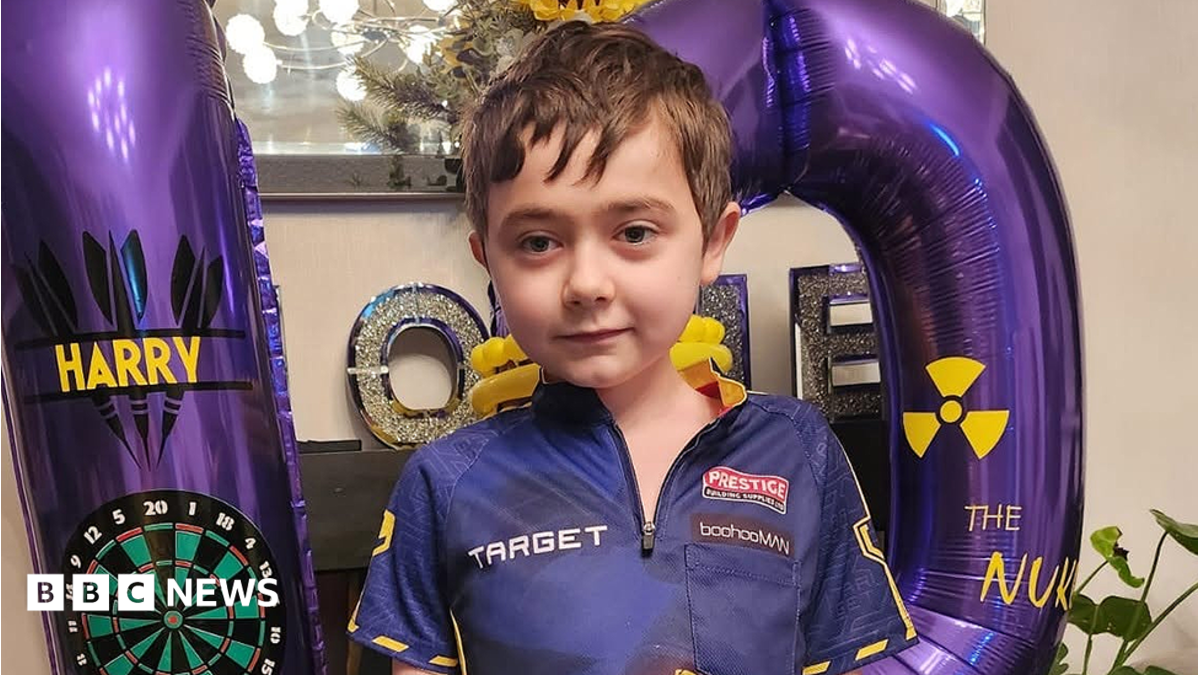
Harry, an 11-year-old boy from Bamber Bridge, Preston, is seeking a meeting with professional darts player Luke Littler. Harry lives with Duchenne muscular dystrophy, a progressive muscle-wasting condition, and his family is campaigning for the encounter to happen while he still retains the physical ability to play the game, according to reports from local media and family appeals.
The request comes as Harry’s family utilizes social media to reach the professional darts sensation, emphasizing the urgency created by Harry’s medical diagnosis. Duchenne muscular dystrophy (DMD) is a genetic disorder characterized by the progressive degeneration of muscles, which typically leads to the loss of mobility over time. For Harry, the goal is to share a game of darts with his idol before the condition further limits his motor skills.
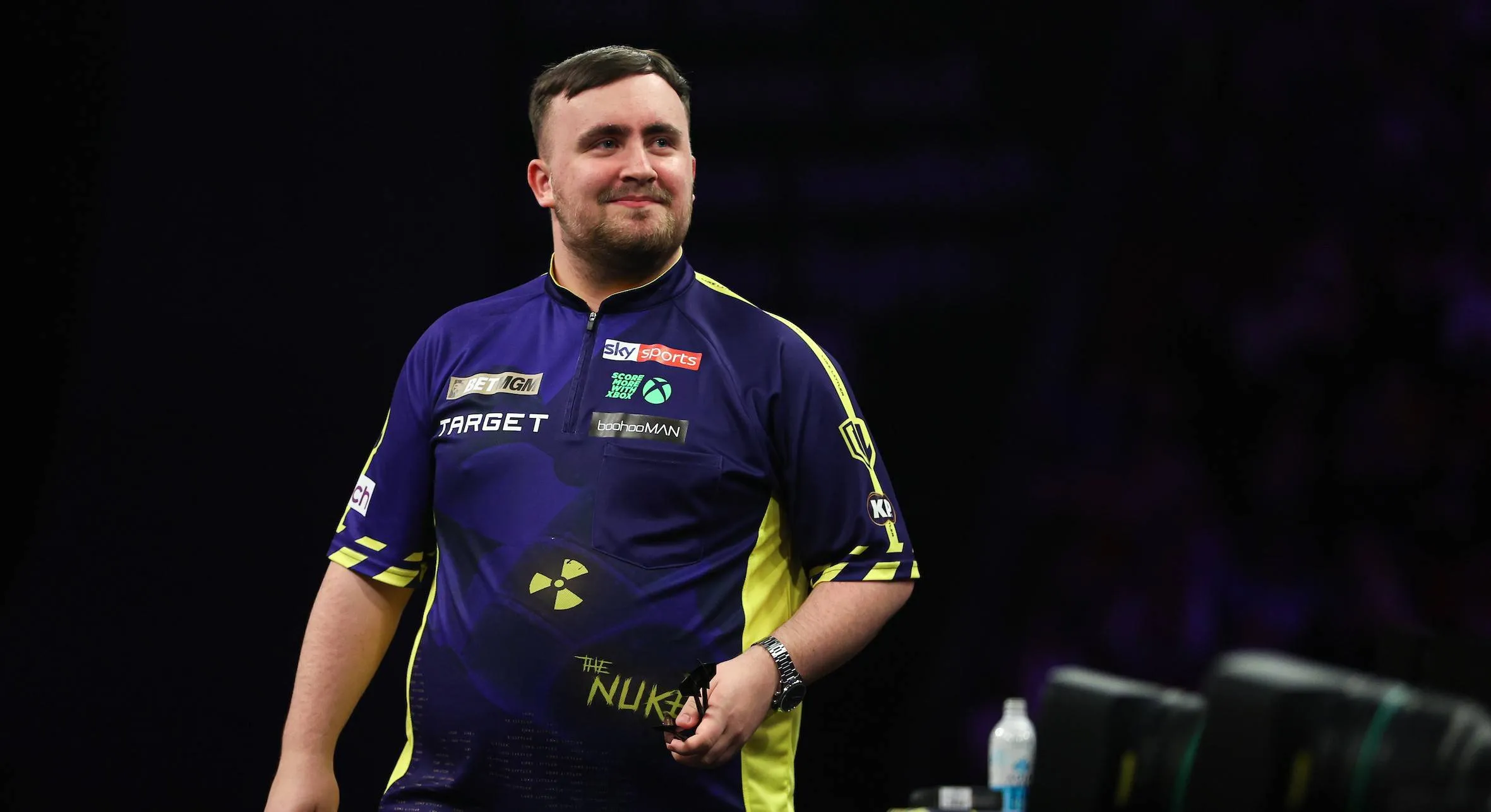
Luke Littler rose to global prominence after a historic run to the final of the 2024 PDC World Darts Championship, becoming the youngest player to reach the final of the event. His rapid ascent in the Professional Darts Corporation (PDC) has made him a figure of inspiration for young fans across the UK, including Harry.
The Campaign for a Meeting in Bamber Bridge
Harry’s family has launched a public appeal to get the attention of the 17-year-old professional. The campaign focuses on the specific window of opportunity available to Harry, who is a dedicated follower of the sport. Residents and supporters in the Preston area have shared the story to increase visibility, hoping the message reaches Littler’s management team.
The family’s plea centers on the phrase “before it is too late,” referring to the predictable progression of DMD. While the condition varies by individual, it typically involves the weakening of the pelvic and shoulder girdle muscles, eventually affecting the heart and respiratory system. The desire to play darts is not merely about the sport, but about maintaining a connection to a physical activity and a hero during a period of declining strength.
Medical Context of Duchenne Muscular Dystrophy
Duchenne muscular dystrophy is a severe form of muscular dystrophy caused by an absence of dystrophin, a protein that helps keep muscle cells intact. According to the NHS, the condition primarily affects boys and manifests as muscle weakness that begins in the hips, pelvic area, thighs, and shoulders.
The progression of the disease typically follows a specific trajectory:
- Initial signs often include difficulty running, jumping, or climbing stairs.
- Muscle wasting progresses to the arms and upper body.
- Most individuals require the use of a wheelchair for mobility by their early teens.
- In later stages, the muscles used for breathing and the heart muscle are affected.
Because the loss of muscle function is irreversible, families often prioritize “bucket list” experiences and social interactions that require physical movement while the patient is still capable. In Harry’s case, the act of throwing a dart represents a challenge and a joy that may become physically impossible as the disease advances.
Luke Littler’s Influence on Youth Sports
The appeal to Luke Littler highlights the player’s unique position in the sporting world. Unlike many professional athletes who reach peak fame in their late 20s or 30s, Littler’s breakthrough happened during his teenage years, creating a direct relatability for children like Harry.
Littler’s performance in the 2023/24 season brought unprecedented youth viewership to professional darts. His ability to compete at the highest level while still a teenager has shifted the perception of darts from a pub game to a disciplined professional sport accessible to younger generations.
While Littler has maintained a relatively low profile outside of his tournament appearances and official sponsorships, he has been noted for his humility in interviews. The PDC and its players frequently engage in community outreach, though no official statement has been released regarding the specific request from Harry’s family at this time.
Impact on the Preston Community
The story has resonated within the Bamber Bridge and wider Preston community, where local supporters have rallied behind Harry. The use of social media to bridge the gap between a young fan with a terminal condition and a global sports star demonstrates the role of digital platforms in modern charitable appeals.

For families dealing with DMD, the psychological impact of the diagnosis is often as challenging as the physical symptoms. Engaging in high-profile goals—such as meeting a sporting idol—serves as a motivator and a source of emotional strength for the child and their caregivers.
The campaign continues to seek a response from the Littler camp, with the family hoping for a date and location where Harry can experience the thrill of the game alongside one of the sport’s most influential figures.
The next checkpoint for this story remains the potential response from Luke Littler or his representatives. Further updates will be provided as official communications are released.
Do you have a story about sports and community impact? Share your thoughts in the comments below.