
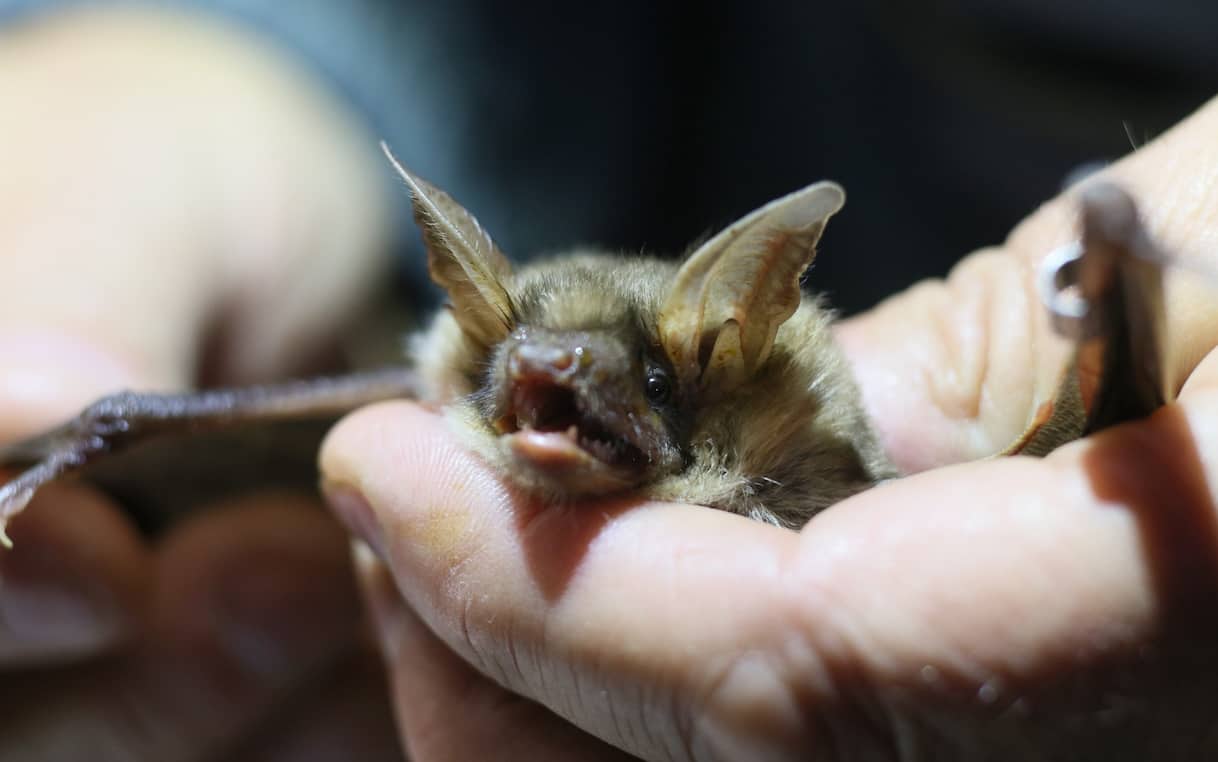
An 11-year-old boy has died after contracting rabies following an encounter with a bat inside his home. The tragedy has prompted reminders regarding the risks associated with bat exposure, even in cases where no obvious injury is visible.
The child woke up to find a bat in his bedroom. While the family did not observe any physical bite marks or scratches at the time, the virus was transmitted through contact. The boy ultimately succumbed to the infection.
Understanding Rabies Transmission from Bats
Rabies is a viral disease that affects the central nervous system, and it is almost invariably fatal once clinical symptoms appear. Bats can have teeth so small that a bite or scratch may leave no visible mark on human skin, making it difficult for individuals—especially children—to realize they have been exposed.
Public health officials emphasize that any direct contact with a bat, or waking up in a room where a bat is present, requires immediate medical evaluation.
Public Health Guidance and Prevention
The death of the 11-year-old has served as a somber catalyst for renewed safety messaging. Health authorities stress that the risk of rabies remains a serious concern. If a resident finds a bat in their home, they are instructed to contact local public health officials or animal control services to determine if the bat should be tested for the virus.
The Medical Reality of Rabies
From a clinical perspective, rabies is a preventable condition, but it is not curable once symptoms develop. The virus travels through the nervous system to the brain, leading to inflammation that results in neurological decline.
Because the incubation period can vary, medical providers are trained to assess the circumstances of potential exposure rather than relying solely on the presence of physical trauma. When a patient reports an encounter with a bat, health providers follow established protocols to initiate treatment, which is the only known way to stop the virus from reaching the central nervous system.
Moving Forward
Public health investigations into the specific circumstances of this case are ongoing to ensure that all necessary community precautions are in place. Residents are encouraged to share this information with families to ensure that children recognize the importance of reporting any contact with wildlife to an adult immediately.
Have you found this information helpful? Please consider sharing this article to help spread awareness about rabies prevention. You can leave your thoughts or questions in the comments section below.