
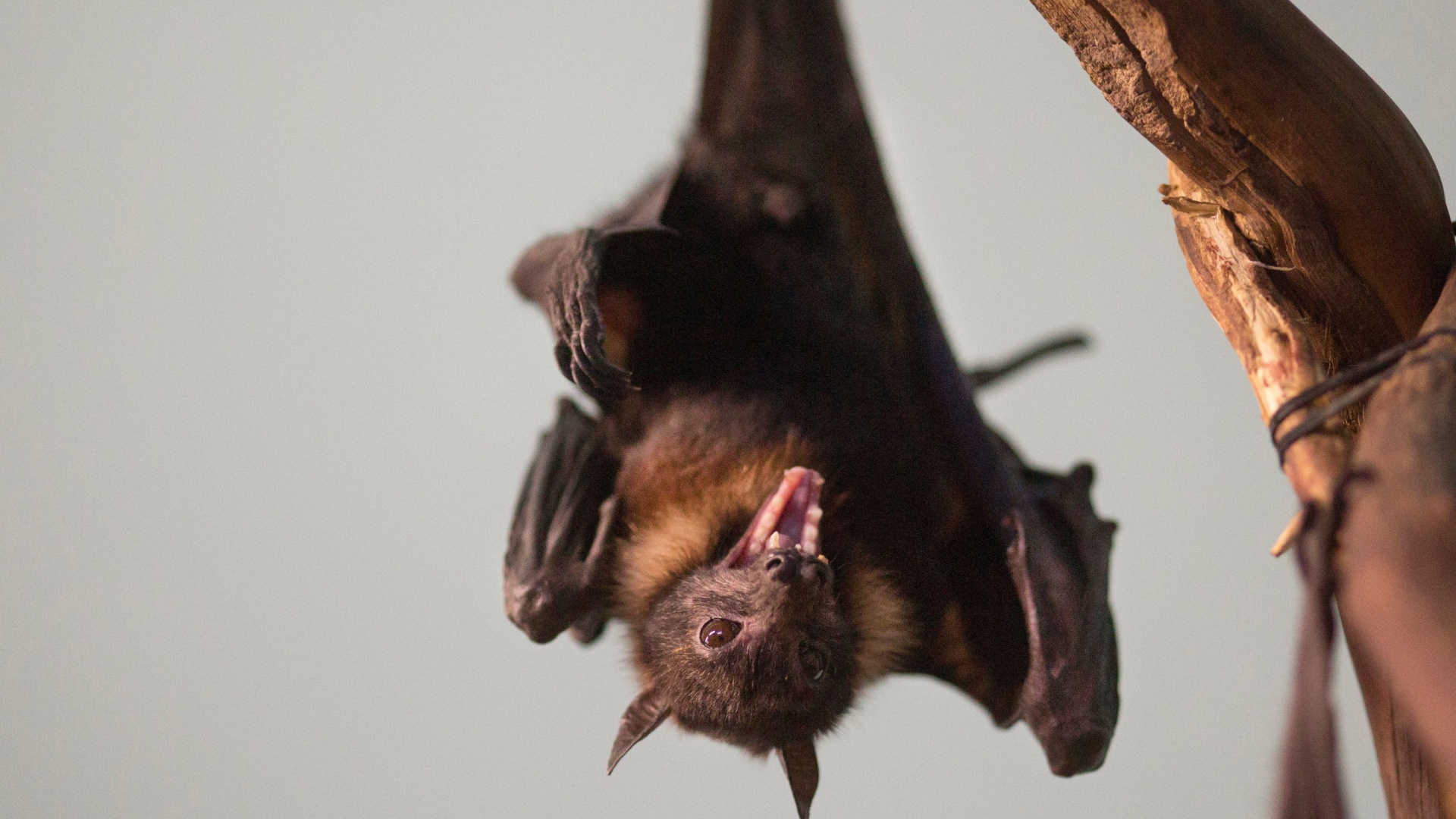
An 11-year-old boy in Vancouver, Canada, has died from rabies after being exposed to a bat in his bedroom, according to public health officials. The child, whose identity has not been released, reportedly woke up to find the animal touching him, an encounter that led to a fatal infection despite the rarity of such occurrences in the region.
This tragic case, confirmed by the Vancouver Coastal Health authority, highlights the critical necessity of seeking immediate medical intervention following any physical contact with a bat. While rabies is nearly 100% preventable if treated immediately after exposure, it is almost invariably fatal once clinical symptoms manifest.
Understanding the Risk of Rabies Transmission
Rabies is a viral disease that affects the central nervous system, typically transmitted through the saliva of an infected animal, most commonly via a bite or scratch. In this specific case, the child was exposed to a bat while sleeping. Health experts emphasize that bat bites can be extremely small and difficult to detect, sometimes appearing as little more than a tiny puncture or a simple scratch.
According to the Centers for Disease Control and Prevention (CDC), individuals who wake up to find a bat in their room should assume they have been bitten, even if no visible wound is present. Because the teeth of a bat are exceptionally sharp and small, the trauma to the skin may not be immediately obvious or painful enough to wake a sleeping person.
What to Do After Potential Exposure
The primary defense against rabies is post-exposure prophylaxis (PEP), a series of vaccinations and, in some cases, human rabies immunoglobulin, administered shortly after contact with a potentially rabid animal. Once the virus reaches the brain and symptoms begin, there is no effective cure.

Public health guidelines are explicit regarding contact with bats:
- Do not touch the animal: If a bat is found in a living space, do not attempt to handle it with bare hands.
- Capture for testing: If possible, and only if it can be done without direct contact, trap the bat so it can be tested for the rabies virus.
- Seek medical care: If you or a family member has had physical contact with a bat—or if you wake up and find a bat in the room—contact a healthcare provider or local public health department immediately.
- Clean the wound: If a bite or scratch has occurred, wash the area thoroughly with soap and water for at least 15 minutes and seek medical attention without delay.
The HealthLinkBC service provides resources for residents in British Columbia to assess their risk and find the nearest facility equipped to administer PEP. Early intervention is the only way to neutralize the virus before it enters the nervous system.
Why Bat Encounters Are Specifically Dangerous
While many wild animals can carry rabies, bats are the most frequent source of human rabies in North America. Unlike other animals that may show obvious signs of aggression or illness, bats with rabies may not always behave abnormally, making them difficult to identify by sight alone.
The rarity of these incidents often leads to a false sense of security. However, medical professionals stress that any unexplained contact with a bat—especially when children are involved—must be treated as a medical emergency. The Public Health Agency of Canada maintains that the danger lies not just in the potential for a bite, but in the difficulty of recognizing the exposure event, which often occurs during sleep or when a child is unable to communicate the encounter.
Ongoing Public Health Response
Following the boy’s death, local health authorities in British Columbia have initiated public awareness campaigns to remind residents of the risks associated with bats in residential areas. Officials are urging the public to ensure their homes are sealed to prevent bat entry, noting that bats can fit through openings as small as a dime.
As the investigation into the specific circumstances of this case continues, health departments are monitoring for any further potential exposures. Residents are encouraged to check their local provincial or territorial health websites for updated guidance on how to safely interact with wildlife and the steps to take if an encounter occurs. If you have questions about local wildlife safety, contact your regional public health unit for official guidance.
This is a developing public health situation. Readers are encouraged to share this information to increase awareness of the necessity of immediate medical care following bat contact.