
117 Dog Carcasses Found at ‘No-Kill’ Miranda’s Rescue in California
The Humboldt County Sheriff’s Office discovered 117 dog carcasses, 21 skulls, and hundreds of bones at Miranda’s Rescue, a self-described “no-kill” sanctuary in Northern California. Investigators reported that many of the remains showed evidence of gunshot wounds, sparking a criminal investigation into animal cruelty and the facility’s operations.
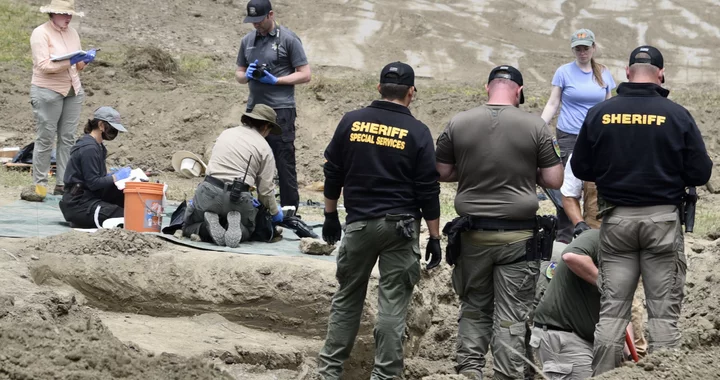
Authorities began recovering remains from pits on the property over several days. The discovery contradicts the sanctuary’s public image as a safe haven for animals. According to the Humboldt County Sheriff’s Office, the investigation is “just getting started” as forensic teams continue to process the site.
The site, located in the rural community of Miranda, had operated under the premise of providing lifelong care for dogs that were otherwise unadoptable. However, the recovery of over 100 bodies suggests a systemic failure or intentional killing of animals at the facility. Local law enforcement has not yet announced formal charges, but the scale of the remains has prompted a multi-agency response.
How many dog remains were found at Miranda’s Rescue?
Investigators from the Humboldt County Sheriff’s Office have recovered 117 dog carcasses to date, along with 21 skulls and hundreds of individual bones. These remains were found buried in pits across the sanctuary’s grounds. According to reports from The New York Times, the discovery came after officials began searching the property, revealing a mass burial site that contradicts the facility’s “no-kill” status.

The process of extracting the remains has been slow and methodical. Law enforcement spent several days pulling carcasses from the earth to ensure an accurate count and to preserve evidence for necropsies. The presence of “hundreds of bones” suggests that the number of deceased animals may be higher than the 117 intact carcasses currently counted.
Forensic evidence collected from the pits indicates that the deaths were not all due to natural causes. Investigators confirmed that many of the dogs had bullet holes in their bodies, suggesting they were executed rather than provided with medical end-of-life care. The nature of these wounds is a primary focus of the ongoing criminal inquiry.
Why is the ‘no-kill’ status of the sanctuary significant?
Miranda’s Rescue marketed itself to the public and donors as a “no-kill” sanctuary. In the animal rescue industry, a no-kill designation typically means the facility does not euthanize animals for space or convenience, only for severe medical necessity or public safety. The discovery of over 100 bodies in pits—many with gunshot wounds—suggests a direct violation of this promise.
This discrepancy is critical because many donors contribute to no-kill sanctuaries specifically to ensure their money prevents the euthanasia of animals. If the facility was operating as a sanctuary while secretly killing dogs, it could lead to additional legal complications beyond animal cruelty, including potential fraud or misappropriation of funds.
The use of firearms to kill the animals is particularly scrutinized by investigators. While some veterinary euthanasia is performed via injection, the use of guns in a sanctuary setting is highly irregular and often illegal under animal cruelty statutes unless specific, strict criteria are met. According to ABC7 Bay Area, the presence of these gunshot wounds is a central element of the evidence being gathered by the Sheriff’s Office.
What are the current legal implications and next steps?
The Humboldt County Sheriff’s Office has emphasized that the investigation is in its early stages. Because the remains were buried, forensic analysts must determine the cause of death for as many carcasses as possible to establish a pattern of abuse or neglect. This process involves necropsies, which are animal autopsies used to determine the precise cause of death.
Under California law, animal cruelty can range from misdemeanors to felonies depending on the severity of the abuse and the number of animals involved. The discovery of 117 carcasses and evidence of shooting could potentially lead to multiple felony counts of animal cruelty. Law enforcement is currently working to identify the dogs and determine if they were registered or if their deaths were reported to any regulatory agencies.
The investigation is also looking into the timeline of these deaths. Investigators are attempting to determine if the killings occurred over several years or if there was a concentrated period of mass killing. This timeline will help prosecutors determine the scale of the operation and whether the sanctuary owner acted alone or with the assistance of others.
Who is affected by the Miranda’s Rescue investigation?
The primary stakeholders in this case include the surviving animals at the facility, the donors who funded the sanctuary, and the community of Humboldt County. For the surviving dogs, the immediate priority is ensuring their safety and health while the property is under investigation. Local animal welfare organizations often step in to provide foster care or temporary housing when a sanctuary is shuttered due to cruelty investigations.

Donors who believed they were supporting a no-kill mission are now facing the reality that their contributions may have funded a facility where animals were shot and buried in pits. This has led to a broader conversation about the lack of oversight for private “sanctuaries” compared to licensed shelters, which are often subject to more rigorous state inspections.
The local community has expressed distress over the findings. The rural nature of the Lost Coast region can sometimes isolate such facilities from regular oversight, making them dependent on whistleblower reports or specific complaints to trigger an investigation. In this case, the sheer volume of remains has turned a local welfare check into a major criminal probe.
The next confirmed step in this process is the completion of the forensic examinations of the recovered remains. The Humboldt County Sheriff’s Office will likely release further updates once the necropsy results are finalized and the full extent of the fatalities is known. No court date has been set, as the investigation remains active.
Share this story to raise awareness about animal sanctuary oversight, and leave your thoughts in the comments below.