Russian Strikes Leave 50,000 Without Power in Zaporizhzhia and Injure 12 in Dnipropetrovsk
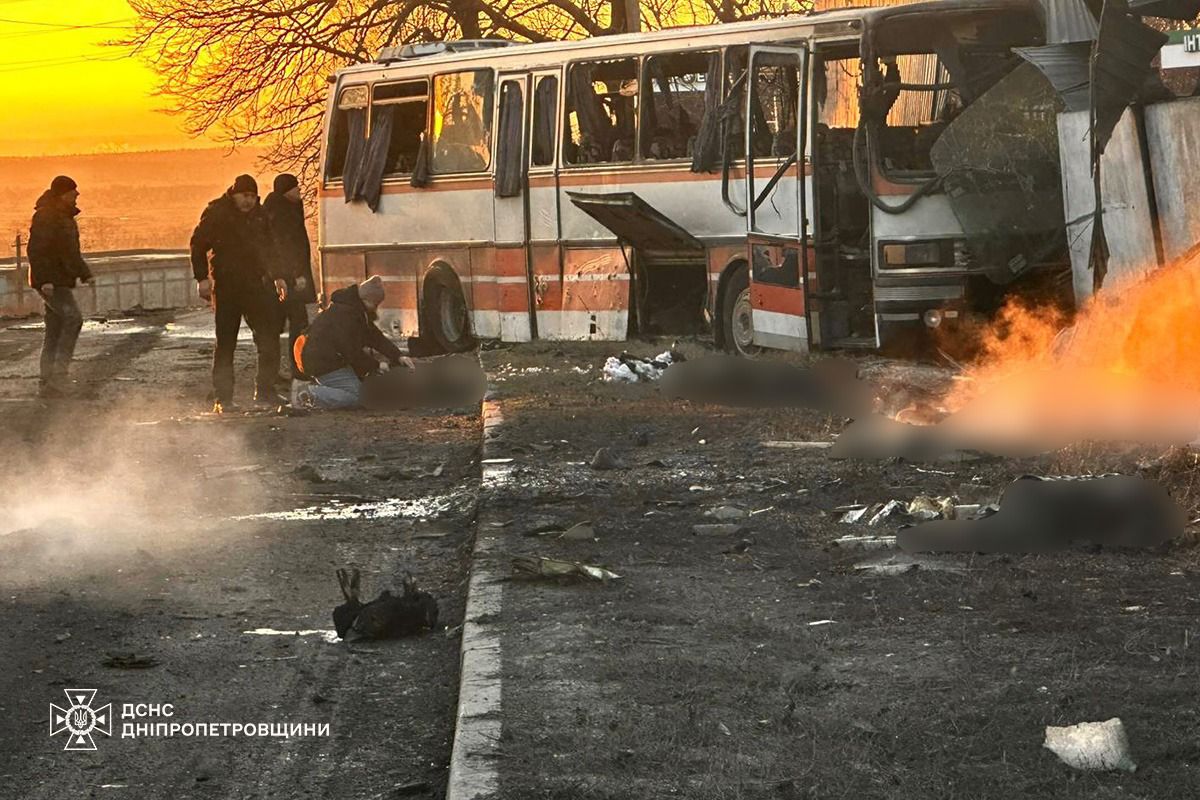
Nearly 50,000 residents in Ukraine’s Zaporizhzhia region are currently without electricity following Russian strikes on energy infrastructure. Simultaneously, at least 12 people sustained injuries during attacks in the Dnipropetrovsk oblast on Thursday, according to reports from regional emergency services and local officials.
The dual strikes highlight a continued pattern of Russian military operations targeting civilian infrastructure across eastern and southern Ukraine. While the scale of the power outages in Zaporizhzhia has prompted emergency repairs, the casualties in Dnipropetrovsk underscore the immediate physical danger posed to residential areas during these aerial assaults.
How did the attacks affect Zaporizhzhia’s power grid?
The power outages in the Zaporizhzhia region were triggered by targeted strikes on electrical substations and distribution networks. Local energy officials confirmed that the damage has left approximately 50,000 people in the dark, affecting both urban centers and rural settlements. According to local emergency management reports, the loss of electricity has disrupted essential services, including water pumping stations and local telecommunications.
Repair crews were deployed to the affected sites immediately following the strikes. However, the technical complexity of the damage to the high-voltage infrastructure means that full restoration of the grid may take several days. Energy providers in the region have noted that the stability of the local grid remains precarious as they work to bypass damaged segments and reroute power to critical facilities like hospitals and heating plants.
The impact on Zaporizhzhia is compounded by the region’s proximity to the front lines. The ongoing conflict makes the movement of heavy repair equipment difficult and subjects technical teams to the risk of secondary strikes. Officials have urged residents to conserve remaining energy reserves and prepare for intermittent supply as the grid undergoes stabilization.
What are the reported casualties in Dnipropetrovsk?
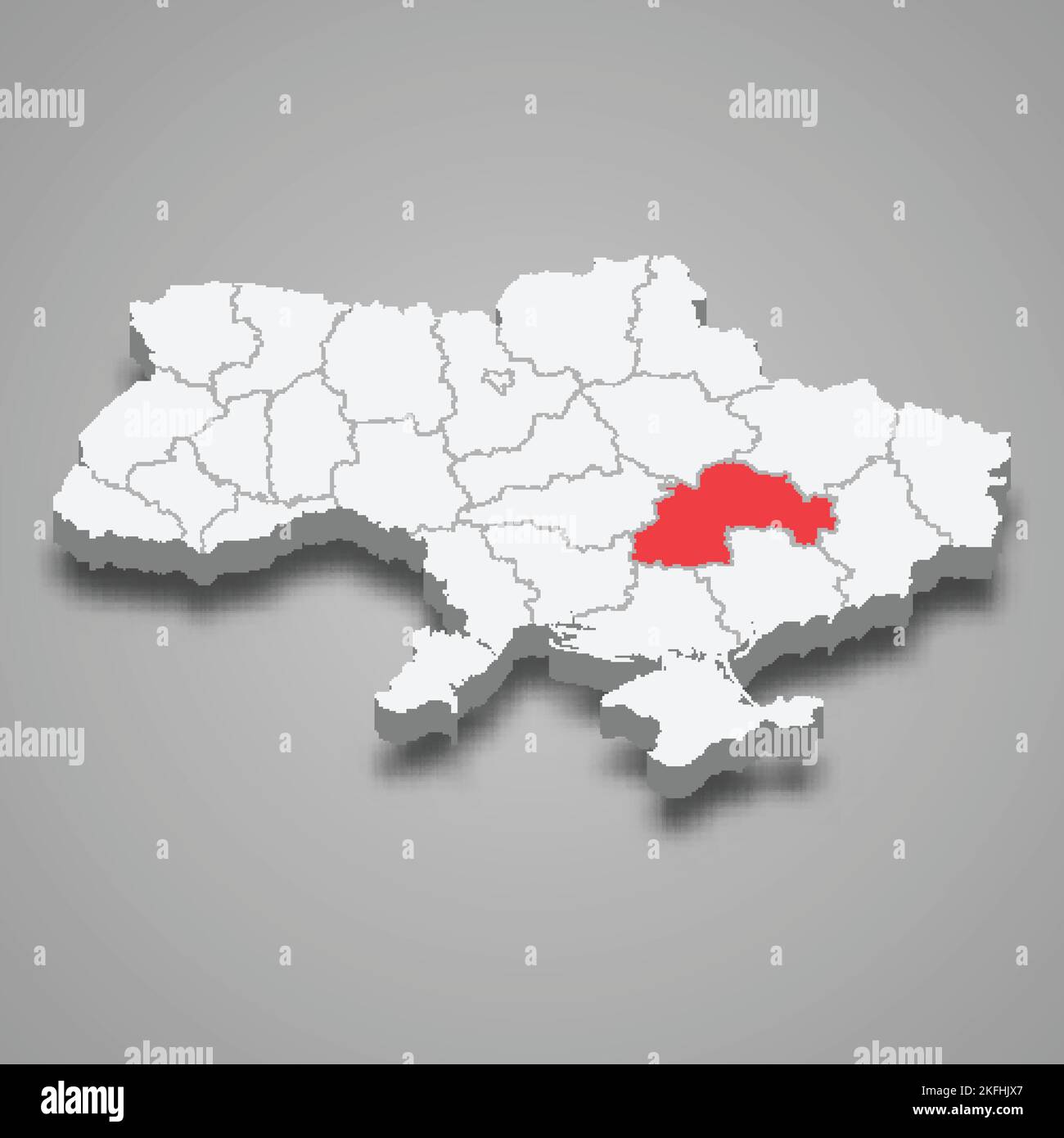
In the Dnipropetrovsk oblast, located in eastern Ukraine, Thursday’s attacks resulted in at least 12 injuries. While the specific nature of the munitions used—whether missiles or loitering munitions (drones)—is still being investigated by forensic teams, local medical facilities have been working to treat those wounded by shrapnel and debris. Regional administrators stated that the casualties include both civilians and, potentially, first responders arriving at the scene.
The strikes in Dnipropetrovsk hit areas that have become frequent targets due to their strategic importance and high population density. Emergency services reported that several residential buildings and civilian vehicles sustained damage. According to verified reports on regional security, the sudden nature of the strikes often leaves little time for residents to reach designated shelters, contributing to the casualty count.
Local authorities have increased patrols and heightened alert levels in the oblast following the incident. The Dnipropetrovsk regional administration has requested additional medical supplies and trauma support to manage the influx of wounded individuals, noting that the frequency of these attacks is placing a significant strain on the local healthcare system.
Why are Russian forces targeting Ukraine’s energy infrastructure?
The targeting of the Ukrainian power grid appears to be a deliberate component of a broader military strategy intended to degrade civilian resilience and logistical capacity. By striking substations and distribution nodes, the offensive aims to create systemic instability that affects more than just the immediate combat zone. The disruption of electricity impacts the movement of military hardware, the operation of communication networks, and the overall morale of the civilian population.
Military analysts suggest that these strikes serve several tactical purposes:
- Logistical Disruption: Reducing the reliability of the rail and transport networks that rely on electric power.
- Economic Attrition: Increasing the cost of maintaining civilian life and forcing the Ukrainian government to divert resources toward emergency repairs and humanitarian aid.
- Psychological Impact: Creating a sense of insecurity and unpredictability in residential areas far from the direct line of contact.
This campaign against energy assets has intensified over recent months. The Ukrainian Ministry of Energy has previously documented a significant increase in the sophistication of the munitions used, including long-range missiles capable of striking deep within the country’s territory. The destruction of these assets is not merely collateral damage but is viewed by international observers as a method of “infrastructure warfare.”
Current status of Ukraine’s power stability
The stability of the national power grid remains a primary concern for the Ukrainian government and its international partners. While repairs are ongoing, the cumulative damage from multiple waves of strikes has left the system with reduced redundancy. This lack of redundancy means that even a single successful strike on a key node can cause widespread cascading failures across multiple oblasts.
To combat the instability, Ukraine has been implementing “rolling blackouts” in various regions to prevent a total grid collapse. These controlled outages are intended to balance the load and protect the most critical infrastructure. However, the unpredictability of the attacks makes long-term planning difficult for both utility companies and businesses.
International aid, including the provision of mobile power units and specialized electrical components, has been a critical lifeline. Organizations providing technical assistance have noted that while the immediate repair capacity is high, the long-term challenge lies in the replacement of large-scale, specialized transformers and high-voltage equipment that are difficult to manufacture and transport during wartime.
Comparison of Regional Impact
| Region | Primary Impact | Reported Casualties | Infrastructure Status |
|---|---|---|---|
| Zaporizhzhia | Massive power outages (50,000 people) | Not specified/Under investigation | Substation damage; repairs ongoing |
| Dnipropetrovsk | Civilian injuries and property damage | 12 people injured | Residential and civilian areas affected |
Key Takeaways for Residents
- Power Security: Residents in Zaporizhzhia should expect intermittent electricity as technicians work on the grid.
- Safety Protocols: In Dnipropetrovsk and surrounding areas, the use of designated shelters remains the most effective way to mitigate injury during aerial alarms.
- Resource Management: Maintaining charged communication devices and emergency water supplies is recommended due to the potential for secondary infrastructure failures.
The situation remains fluid as emergency services continue to clear debris and assess the full extent of the damage in both regions. Further updates are expected as forensic investigations into the Dnipropetrovsk strikes conclude and as the Zaporizhzhia energy provider completes its initial assessment of the substation damage.

Official updates regarding power restoration schedules are expected to be released by the Zaporizhzhia regional administration within the next 24 to 48 hours.
What are your thoughts on the increasing targeting of civilian infrastructure? Share this article and join the discussion in the comments below.
Keep reading